
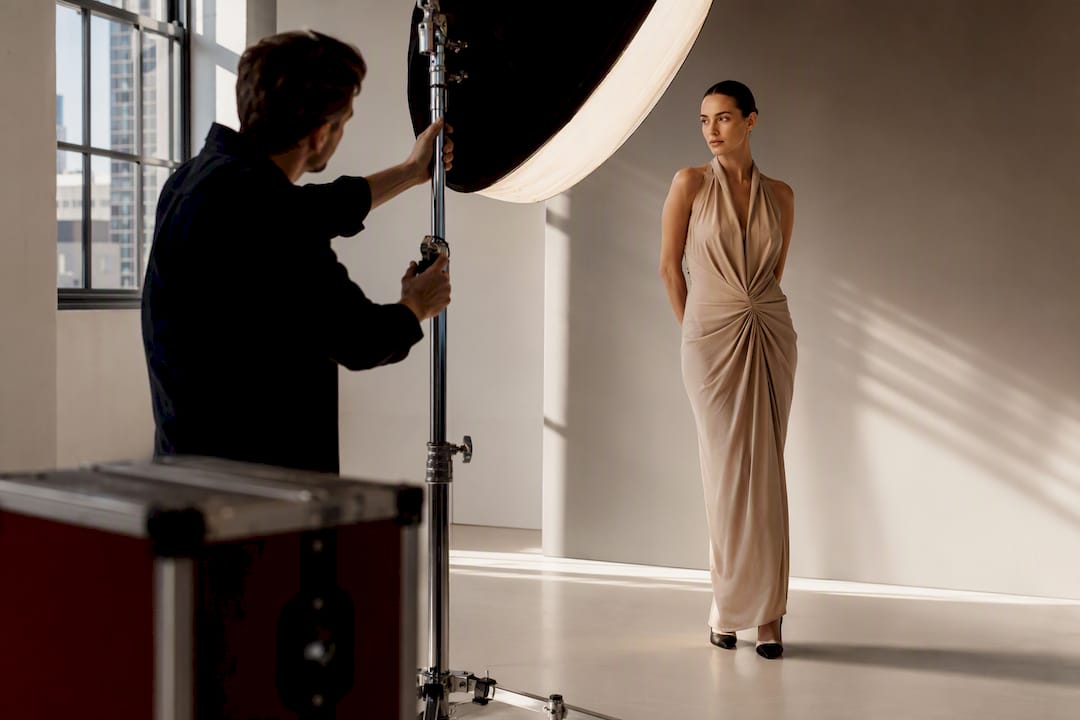
Intent decides everything. If the image will run in an ad, on packaging, or anywhere a business is promoting itself, it’s commercial. If it’s illustrating a news story, a magazine feature, or documenting an event, it’s editorial. The two categories can look identical on set, but the license and the releases attached to the file are what make one usable in a paid campaign and the other legally off limits for that purpose.
TL;DR:
- Commercial images require signed model and property releases, with clear licensing terms covering usage channels, territory, and duration before the shoot begins.
- Editorial photography can include recognizable logos and people without releases if it genuinely documents a story or event, but heavy staging undermines credibility.
- Commercial shoots involve controlled lighting, extensive retouching, and multiple client approval checkpoints, making them costlier and more regulated than editorial work.
- The intended use must be confirmed upfront: paid promotions or ads demand commercial licensing, while editorial projects focus on storytelling with minimal manipulation.
- Pre-shoot legal checks and precise license agreements prevent costly post-shoot disputes or required re-shoots for changes in usage plans.
Table of Contents
- What editorial photography is and when to use it
- What commercial photography is and when to use it
- Permissions, releases, and intellectual-property checklist
- Copyright, licensing, and the client contract
- Production differences: creative control, retouching, and approvals
- How to decide which you need: a practical decision checklist
- Studio perspective: real-world examples and lessons from Ken Jones Photography
- Author perspective: final guidance from a veteran NYC photographer
- How Ken Jones Photography can help with editorial storytelling and commercial campaigns
- Sources
- FAQ
What editorial photography is and when to use it
Editorial photography exists to inform or tell a story, not to sell a product. Think magazine features, news coverage, interviews, and event documentation. The moment you’re shooting to illustrate a narrative rather than to move merchandise, you’re in editorial territory. Shutterstock’s own breakdown puts it plainly: intent is what separates the two, not how polished or styled the image looks.
That distinction opens some doors that commercial work keeps closed. Editorial images can often include recognizable logos, brand signage, and identifiable people without a signed release, because the use is documentary rather than promotional. A shot of a crowded Fulton Street storefront for a news piece doesn’t need a property release the way a shampoo ad shot in that same doorway would. Press credentials and venue access sometimes matter more than paperwork here, and most editors expect captions that explain who, what, and where, since accuracy is part of the deal. Staged alterations are frowned on. If a magazine finds out a “documentary” shot was rearranged for effect, that’s a credibility problem, not just a style choice.
Editorial assignments come from a specific crowd: magazine art directors, PR teams pitching a story, news desks, and brands that want the look of journalism rather than the look of an ad. That last group has grown. A lot of fashion and beauty brands now commission editorial-style photography for PR purposes because it reads as more credible than an obvious advertisement, even when the brand is footing the bill.
What defines editorial work in practice:
- The image illustrates a story, event, or news angle rather than promoting a product or service.
- Recognizable people, logos, and private property may appear without releases in a genuine documentary context.
- Captions and factual context carry real weight, and heavy staging or manipulation undercuts the format.
- Clients are typically editors, PR teams, and news outlets, not ad buyers.
What commercial photography is and when to use it
Commercial photography exists to sell something, whether that’s a product, a service, or a brand’s image. Ad campaigns, product pages, packaging, paid social, catalogs, and designer lookbooks all fall under this umbrella. NYT Licensing’s guidance draws the line clearly: if the photo helps move a sale or build brand equity in a paid context, it’s commercial, and editorial licensing terms won’t cover it.
Commercial shoots run differently on set. Lighting is controlled and built for the shot, not found. Sets are staged, retouching is expected and often extensive, and there’s usually a brand or creative director signing off on every frame before it ships. That level of control is why commercial production tends to cost more and take longer than editorial work covering the same subject.
The legal side is non-negotiable. Any recognizable person in a commercial image needs a signed model release, and any private property or protected artwork in frame needs its own clearance. License language has to be specific about where the image will run, for how long, and in what markets, because a vague agreement is where disputes start.
Common commercial applications include:
- Brand advertising campaigns running in paid media, from social to print to out-of-home.
- E-commerce and product photography built for online stores and marketplaces.
- Agency-driven shoots where a creative team controls concept, casting, and approvals from start to finish.
- Designer lookbooks and catalog work meant to drive sales rather than tell a story.
Permissions, releases, and intellectual-property checklist
Before anyone picks up a camera, the permissions conversation needs to happen. Commercial use with a recognizable person requires a signed model release, and that release should spell out usage, territory, term, and whether the client gets exclusivity. Editorial use often sidesteps the release requirement, but only when the context is genuinely documentary and the venue or press credentials allow it.
Property and artwork releases matter just as much. If there’s a mural, a piece of sculpture, or branded signage in the shot, someone needs to check whether it’s protected before the shoot wraps, not after the client has already picked a favorite frame. Trademarks and logos are a frequent trip wire: they can appear in editorial coverage but almost always need clearance or removal for a commercial ad, since using a competitor’s or a bystander’s logo to sell a product invites a legal problem nobody wants.
A short pre-shoot checklist:
- Confirm whether the final use is commercial or editorial before booking talent or locations.
- Draft model releases with usage, territory, term, and exclusivity spelled out for any commercial shoot.
- Check the location and any visible artwork, signage, or branded elements for clearance issues.
- Flag trademarks and logos early and plan to avoid or remove them if the use is commercial.
- Consider preregistration with the U.S. Copyright Office for advertising photos expected to run soon after the shoot.
Pro Tip: Run your release paperwork before you book the location, not after the shoot day. Fixing a missing release after the fact usually costs more than the shoot itself.
Copyright, licensing, and the client contract
In the United States, the photographer is generally the initial copyright owner of an image, even when a client paid for the shoot. The U.S. Copyright Office’s guidance for photographers is clear that clients receive only the rights spelled out in the contract, whatever the license says and nothing more. That means a “we own everything” assumption from a client rarely holds up unless the contract actually transfers copyright or was structured as a work made for hire.
A usable license spells out the channels the client can use the image on, the territory, how long the license lasts, whether it’s exclusive, whether paid media and advertising are included, and whether the client can sublicense the image to anyone else. Vague language like “all rights” invites disputes down the line, because neither side agreed on what that phrase actually covers.
Photography disputes often stem from unclear or missing license terms rather than outright theft of images, as emphasized by the U.S. Copyright Office’s guidance on defining license scope.
What a solid license should specify:
- Which channels and platforms the images can run on, from social to print to broadcast.
- The territory and duration the license covers.
- Whether the use is exclusive and whether paid advertising is included.
- Whether the client can sublicense the images to a third party.
- What alterations or retouching the client is permitted to make.
For campaigns expected to run soon, preregistering the work with the Copyright Office through the advertising photograph preregistration process can strengthen a photographer’s position if infringement happens before formal registration clears.
Production differences: creative control, retouching, and approvals
Editorial and commercial shoots run on different clocks and different chains of approval. On an editorial job, the photographer usually has more creative latitude and the editor makes the final selection from what was shot. On a commercial job, a creative director or brand team is typically signing off at multiple checkpoints, from casting to location to the final retouched file, and that extra layer adds both time and cost.
Retouching philosophy diverges too. Editorial work is expected to represent the subject and scene truthfully, with minimal alteration beyond standard color correction. Commercial work allows a lot more room for creative manipulation, since the goal is brand messaging rather than documentation. That’s why a beauty campaign frame can go through a dozen retouching passes while an editorial portrait for a magazine feature gets a light touch.
Location control and crew size scale with the stakes. A commercial shoot usually means a bigger crew, more prop clearances, and tighter scheduling because every delay costs real money. I learned that lesson the hard way years ago on a shoot near the Financial District, where a mural we’d scouted the week before had been painted over by a different artist by the time the crew showed up. We hadn’t locked in a property release because we assumed the wall would stay put. It didn’t, and we lost half a shoot day scrambling for an alternate backdrop. Now every location scout ends with photos of every wall, sign, and surface that might end up in frame, checked again the morning of the shoot.
Quick differences worth knowing before you brief a shoot:
- Commercial shoots typically involve multiple approval checkpoints, including casting and final retouch.
- Editorial retouching stays close to what the camera captured, while commercial allows for heavier creative manipulation.
- Location and prop clearances tend to be more extensive on commercial jobs, which affects both cost and schedule.
Pro Tip: Photograph every wall, sign, and surface in your location during the scout, then check it again the morning of the shoot. Murals get painted over, storefronts change, and permits expire faster than people expect.
How to decide which you need: a practical decision checklist
The fastest way to sort a brief is to ask about distribution before anyone talks about mood boards or casting. A shot that will run in a paid ad needs commercial clearance regardless of how documentary it looks on the day.
Run through these questions before booking anything:
- Will the final image be paid for, boosted, or promoted in any advertising channel?
- Where exactly will it run: editorial pages, a brand’s own marketing, paid social, packaging?
- Will the image appear alongside a sales call to action or a product link?
- Who on the client side needs usage rights, and for how long?
- If the answer to any of the above points toward promotion, treat the shoot as commercial from day one.
If the shoot is commercial, lock down model and property releases before the call sheet goes out, list every channel the license needs to cover, and set retouching and approval expectations with the client up front. If it’s editorial, confirm the actual editorial context, secure any press or venue access needed, and plan for captions and attribution rather than releases.
| Question | Editorial path | Commercial path |
|---|---|---|
| Primary use | News, feature, or documentary story | Advertising, packaging, or paid promotion |
| Releases needed | Often none, subject to venue rules | Model and property releases required |
| Retouching expectation | Minimal, truthful representation | Creative manipulation allowed |
| Approval flow | Editor-driven selection | Brand or creative director sign-off |
This checklist works as a one-page brief producers can hand to photographers before a single call sheet goes out, and it saves the awkward conversation that happens when a client wants to boost an editorial image three weeks after the shoot wraps.
Studio perspective: real-world examples and lessons from Ken Jones Photography
A brand once approached us to shoot what was pitched as an editorial fashion story for a magazine placement. Halfway through post-production, the client asked whether they could also use a few frames in a paid social campaign. That single request meant going back to the models for commercial releases we hadn’t originally scoped, because the editorial agreement never covered paid promotion. We got the releases signed, but it added a week to delivery and a conversation about additional usage fees that could have happened before the shoot instead of after.
That’s the exact scenario that shapes how we structure paperwork now. On any campaign with commercial intent, our release forms specify usage channels, territory, and term up front, and the contract lays out retouching and sublicensing terms before the first frame is shot. We’ve also built location scouting around a legal check: photographing signage, artwork, and branded elements in the space before confirming the booking, which is the same habit that came out of that mural mishap years back.
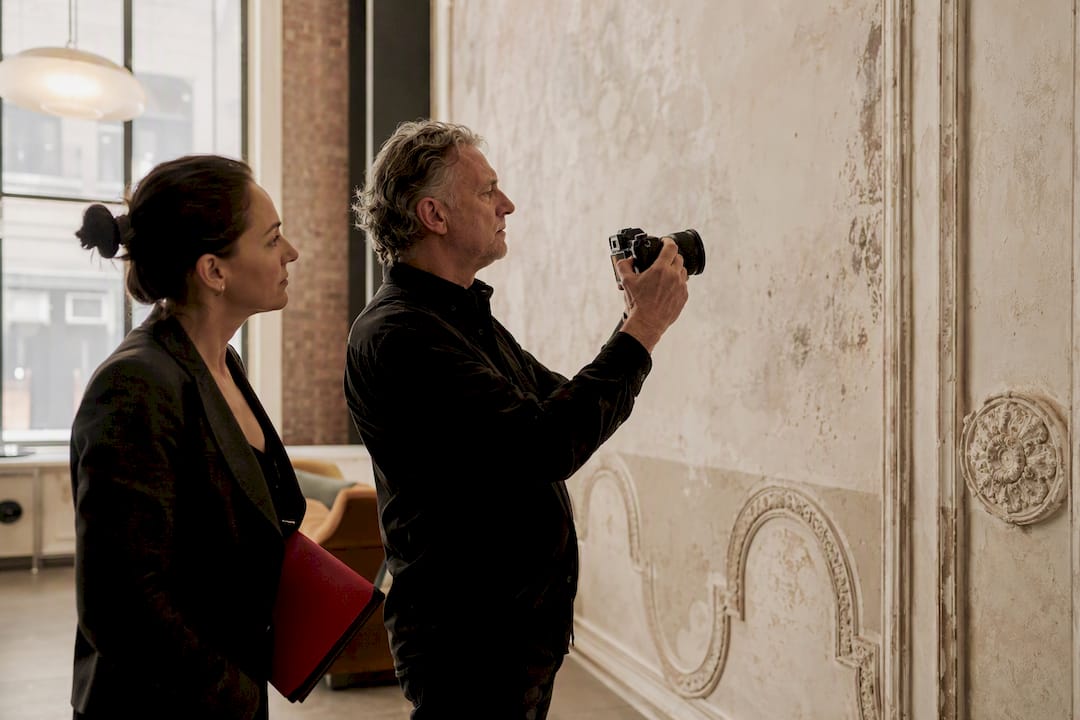
When a brand comes to us wanting the credibility of storytelling rather than the polish of an ad, we usually recommend the editorial route, particularly for fashion and beauty clients trying to build a narrative around a launch. When the goal is a paid push across multiple channels, commercial production with full releases is the only path that keeps the client covered.
What that experience taught us:
- Confirm every intended use before the shoot, including any use the client hasn’t mentioned yet but might want later.
- Build release forms around channels, territory, and term rather than a blanket “all uses” clause.
- Treat location scouting as a legal check, not just a creative one.
- Recommend editorial-style shoots for brand storytelling, and commercial production when paid distribution is the goal.
Author perspective: final guidance from a veteran NYC photographer
Decide your intended use before the shoot, not after the client falls in love with a frame. That single habit prevents more headaches than any contract clause I’ve ever written. My rule of thumb after three decades of this: if there’s any chance an image ends up in a paid ad, shoot it and license it as commercial from the start, because upgrading later always costs more than planning for it upfront.
The most common mistake I see isn’t legal ignorance, it’s optimism. Clients assume they’ll “figure out usage later” once they see how the shoot turns out. Later is expensive. Ask the distribution question in the first phone call, and everything else on set gets easier.
— Ken
How Ken Jones Photography can help with editorial storytelling and commercial campaigns
Whether a project needs the credibility of editorial storytelling or the polish of a paid campaign, we build the production around the use from day one, not after the fact. Our studio handles commercial campaigns, fashion editorials, product and e-commerce photography, corporate portraits, and full studio rental with production support, all backed by release forms and contracts written for the specific channels a client actually plans to use.

That means fewer surprises mid-project and no scrambling for a model release three weeks after a shoot wraps. Services relevant to readers sorting out editorial versus commercial needs often include fashion editorials and designer lookbooks for brand storytelling;
commercial campaigns and advertising photography with proper release documentation;
product and e-commerce imagery designed for retail use; and
corporate portraits and studio rental with production support.
If you’re planning a shoot and need help figuring out which category your project falls into, visit Kenjonesnyc to view the portfolio or request a quote.
Sources
- Editorial vs Commercial images — Shutterstock
- Editorial vs commercial use photos — NYT Licensing
- What is the difference between Commercial and Editorial content? — Submit Shutterstock Help
Readers building a broader content or distribution strategy around editorial storytelling may also find Storyline Pros useful for planning narrative context, while brands focused on getting commercial images found online can look at SEO services for photographers.
FAQ
What is the difference between editorial and commercial photography?
Editorial photography illustrates news, features, or storytelling, while commercial photography promotes a product, service, or brand for a fee or in an ad. The core distinction is intent: a photo used to sell something is commercial no matter how documentary it looks.
What is the difference between editorial and commercial model work?
An editorial model appears in a story-driven context like a magazine feature, often without a signed release if the use stays documentary. A commercial model appears in advertising or promotional material and requires a signed model release covering usage, territory, and term.
What is the difference between commercial use and editorial use?
Commercial use means the image supports advertising, packaging, or promotion of a product or brand, which requires model and property releases. Editorial use means the image supports journalism or storytelling, and many documentary contexts allow logos or recognizable people without a release, subject to venue rules.
What is the difference between commercial and editorial photography on stock sites?
Stock platforms like Shutterstock separate the two by intended use: commercial images are cleared with releases for advertising and business promotion, while editorial images are limited to documentary or news contexts and cannot be used to sell a product. Submitting commercial content with protected elements without proper releases risks rejection.
Do I need a model release for editorial photography?
Not usually, as long as the context stays genuinely documentary and complies with venue or press access rules. The moment that same image is repurposed for advertising, a signed model release becomes necessary.