
TL;DR:
- Editorial-style PR photography uses magazine-level art direction to tell brand stories through context and mood. It significantly boosts media pickup, organic traffic, and social engagement compared to generic or stock images. Planning and delivering high-quality, metadata-embedded images 90 to 120 days in advance maximizes coverage and establish a consistent visual identity.
Editorial-style PR photography is defined as professionally directed imagery that tells a brand’s story through scene, mood, and context rather than static subject placement. The benefits of editorial-style PR photography extend well beyond aesthetics. Brands that invest in this approach see measurable gains in media pickup, organic traffic, and journalist engagement. Custom editorial visuals generate 110% more organic traffic and 2.4x more backlink equity than stock imagery. That gap is not a minor edge. It is the difference between a pitch that lands on a journalist’s desk and one that gets deleted in under 30 seconds. Kenjonesnyc has spent over 30 years producing this caliber of imagery from Manhattan, and the production lessons from that work inform every section of this article.
1. Benefits of editorial-style PR photography for brand storytelling
Editorial photography conveys context, mood, and personality in a single frame. A founder photographed mid-conversation in their studio communicates authority and authenticity far more effectively than a headshot against a gray backdrop. That narrative depth is what separates editorial imagery from generic commercial photography, and it is the core reason journalists respond to it differently.
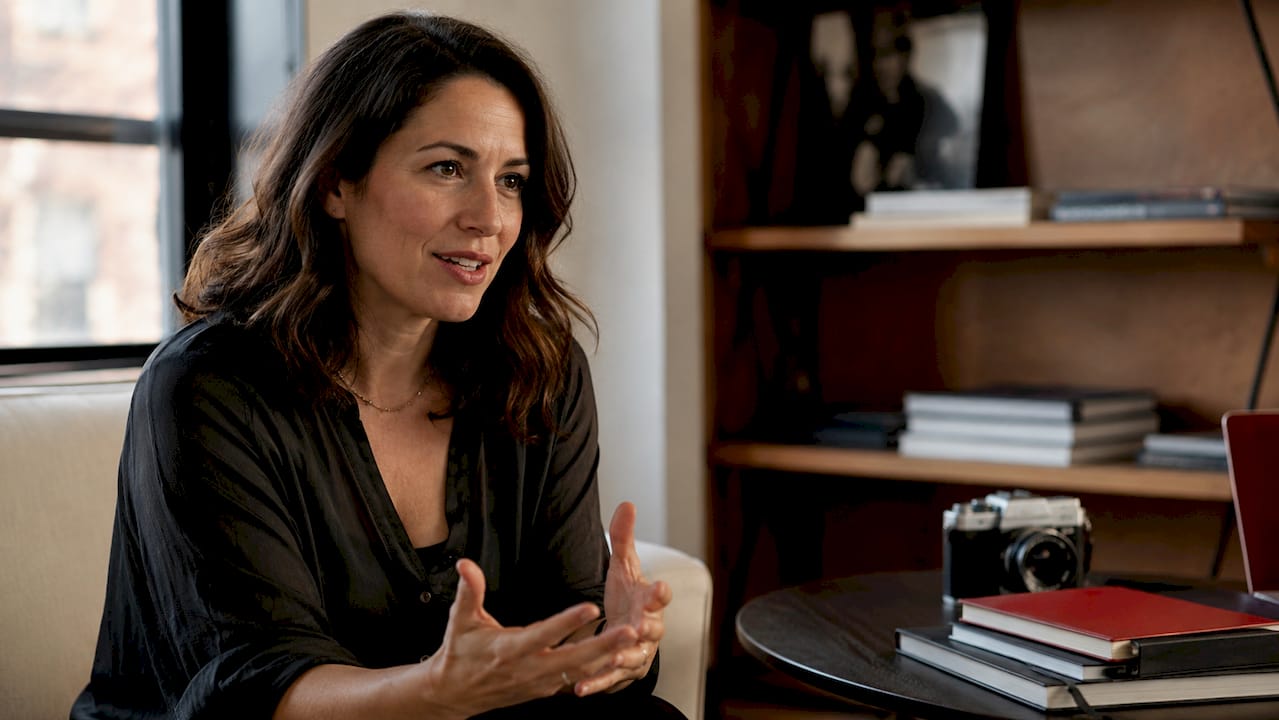
The industry term for this approach is “editorial photography,” borrowed directly from magazine production. In PR, it means applying the same art direction, lighting design, and scene-building techniques used in Vogue or Wired to brand and product imagery. The result is photography that feels earned rather than purchased.
Strong editorial storytelling relies on three production decisions made before the shutter fires:
- Scene selection: The environment communicates as much as the subject. A fashion designer photographed in their atelier tells a different story than the same designer in a white studio.
- Lighting design: Directional light creates depth and mood. Flat, even lighting reads as corporate and forgettable.
- Art direction: Wardrobe, props, and talent positioning all carry meaning. Every element in the frame either supports the story or dilutes it.
Pro Tip: Brief your photographer on the publication you are targeting before the shoot. A spread in a trade journal requires different framing and negative space than an Instagram carousel. Matching the image to its destination at the production stage saves significant time in post.
2. How editorial photography improves media pickup rates
Replacing generic headshots with professional editorial scene photos increases media pickup rate from 14% to 22%, a 38% improvement. That single data point reframes the entire conversation about photography budgets. The image is not a support asset for the pitch. The image is part of the pitch.
71% of journalists consider easy-to-find, high-resolution images critical to their coverage decision. Most make that decision in under 30 seconds. If your press kit requires a journalist to request images, download a ZIP file, or navigate a cluttered PDF, you have already lost most of them.
The practical fix is a modular asset suite. This means delivering:
- A hero editorial image at 300 DPI with IPTC metadata embedded
- Horizontal and vertical crops of the same scene for print and digital use
- A detail or product-focused secondary image with negative space for text overlay
- A candid or behind-the-scenes frame that adds human context
Providing modular asset suites with multiple orientations reduces sourcing friction for editors and increases the likelihood of publication. Editors want assets they can use immediately. Every extra step you require costs you coverage.
Technical specifications matter as much as creative quality. Custom editorial photography files must meet 300 DPI resolution, carry IPTC captions, and ideally include JSON-LD structured data for AI discoverability. These specs improve usability across both human editors and AI-driven content aggregators.
One mistake Kenjonesnyc sees repeatedly: clients deliver a single low-resolution JPEG with no metadata and then wonder why their pitch did not get picked up. The image quality was fine. The delivery format was the problem.
3. The impact on digital engagement and SEO
Editorial-style imagery does not only serve traditional media. It drives measurable organic performance across search and social platforms. Articles with editorial-style custom visuals generate 110% more organic traffic and 2.4x more backlink equity than those using stock images. That is a compounding advantage. More backlinks signal authority to search engines, which drives more traffic, which attracts more links.
The time-on-page effect is equally significant. Articles with editorial illustrations average 42 seconds longer on-page than those with stock imagery. Forty-two seconds is enough time for a reader to absorb a key message, click an internal link, or decide to share the piece. That behavior directly improves search ranking signals.
Original imagery also signals brand authority to social algorithms. Platforms like Instagram and LinkedIn prioritize content that generates saves, shares, and comments. A well-composed editorial image with strong visual tension outperforms a product flat-lay or a stock photo in every engagement metric.
- Instagram: Vertical editorial portraits and lifestyle scenes drive saves and profile visits.
- LinkedIn: Environmental portraits of executives and team-in-action shots generate significantly more comments than headshots.
- TikTok: Behind-the-scenes photography repurposed as stills within video content adds production value and brand consistency.
Pro Tip: Design editorial images with negative space at the top or side of the frame. This gives social media teams room to add text overlays without cropping the subject. It is a small production decision that dramatically increases an image’s usability across platforms.
Poor-quality imagery signals a lack of priority and undermines pitch credibility, even when the written content is strong. Smartphone photos and generic stock undercut the authority of an otherwise well-crafted PR campaign. The image is the first impression. Make it count.
4. How editorial photography aligns with PR workflows and editorial calendars
Timing is the most underestimated variable in PR photography. Aligning photography production with editorial calendars 90–120 days in advance leads to 4.7x higher coverage probability. Fashion and lifestyle publications plan their editorial content months ahead. If your images are not ready when editors are building their issues, you miss the window entirely.
The production timeline for a proper editorial shoot in NYC typically runs four to six weeks from concept to final delivery. That includes casting, location scouting or studio booking, styling, shooting, retouching, and metadata tagging. Brands that treat photography as a last-minute task consistently miss seasonal pitching cycles.
| Workflow Approach | Lead Time | Coverage Outcome |
|---|---|---|
| Ad hoc, reactive photography | 1–2 weeks before pitch | Low pickup probability |
| Planned editorial shoot | 8–12 weeks before pitch | Moderate pickup probability |
| Calendar-aligned production | 90–120 days before pitch | 4.7x higher coverage probability |
Brands using linked microsite press kits see 3.2x higher editor open-through rates and 2.1x higher coverage conversion than those using static PDFs. A microsite allows you to update assets after delivery, add new images as a campaign evolves, and track which editors are engaging with your materials. A PDF does none of that.
The most effective PR teams build asset libraries organized by publication type. Broadsheet editors need different crops and resolutions than digital-first outlets. Podcast producers need square thumbnails. Broadcast segments need horizontal frames with clean backgrounds. One editorial shoot, planned correctly, can produce all of these from a single production day.
Kenjonesnyc approaches every editorial PR shoot with a shot list mapped to the client’s distribution targets. That discipline at the production stage eliminates the scramble that happens when a journalist asks for a specific format and the client has to go back to the photographer weeks later.
5. Authenticity and the case against stock imagery
PR imagery is not an afterthought. It is a core brand asset, and poor imagery undermines even the best-written pitches. Stock photography communicates one thing clearly: the brand did not invest in showing you who they actually are. That signal reaches journalists, consumers, and search engines simultaneously.
Authenticity in editorial photography comes from specificity. A beauty brand photographed in a real salon, with real tools and real light, reads as credible. The same brand photographed against a white cyclorama with a model holding a product looks like every other beauty brand. The editorial approach creates visual differentiation that stock cannot replicate.
This is where brand storytelling through photography connects directly to media strategy. Journalists cover stories, not products. An editorial image that shows a product in use, in context, with a human being, gives a journalist a story to tell. A product shot on a white background gives them nothing to work with.
AI-generated imagery presents a similar problem. It can produce technically competent visuals, but it cannot capture the specific texture of a designer’s workspace, the exact quality of afternoon light in a Manhattan studio, or the genuine expression of a founder who just said something they believe. Those details are what make editorial photography worth the investment.
6. Technical quality as a competitive advantage
Technical specifications in editorial photography are not bureaucratic requirements. They are the mechanism by which your images get used. High-end editorial photography requires 300 DPI resolution, IPTC metadata, and JSON-LD structured data to improve discoverability by AI summarizers and editors.
IPTC metadata embeds the photographer’s name, usage rights, caption, and keywords directly into the image file. When a journalist downloads your image and opens it in their editing software, that information travels with the file. It reduces the chance of misattribution and speeds up the publication process. Most brands skip this step entirely.
JSON-LD structured data attached to images on a press microsite tells AI-driven content discovery tools what the image depicts, who it belongs to, and where it can be used. As AI summarizers play a larger role in how journalists and researchers find visual assets, this technical layer becomes a genuine competitive advantage.
The NYC-based photography advantage is partly technical and partly relational. Manhattan-based studios have direct access to the casting agencies, stylists, and retouchers who work at the level publications expect. That production ecosystem produces images that meet technical and creative standards simultaneously.
7. Building a long-term editorial photography strategy
A single editorial shoot is a tactic. A sustained editorial photography strategy is a brand asset. Fashion brands that maintain consistent visual identity across seasons build recognition that compounds over time. Journalists begin to associate a specific visual language with a brand, which makes future pitches easier to place.
The advantages of editorial photography for brand value accumulate across campaigns. Each shoot should build on the visual language established by the previous one. Color palette, lighting style, talent casting, and location choices all contribute to a coherent brand identity that audiences recognize without reading the caption.
Portfolio consistency also matters for internal alignment. When a marketing team, a PR agency, and a social media manager all pull from the same editorial asset library, the brand looks unified across every touchpoint. That consistency is difficult to achieve when photography is commissioned reactively and without a creative brief.
The practical starting point is a brand photography guide: a one-page document that defines the approved lighting style, color temperature, aspect ratios, and subject positioning for all commissioned photography. This document travels with every brief sent to a photographer and eliminates the creative drift that happens when multiple photographers shoot for the same brand over time.
Key takeaways
Editorial-style PR photography is the most direct investment a brand can make to improve media pickup, digital engagement, and long-term visual identity.
| Point | Details |
|---|---|
| Media pickup increases measurably | Custom editorial scene photos raise pickup rates from 14% to 22%, a 38% improvement over generic headshots. |
| Technical delivery determines usability | Images must meet 300 DPI, IPTC metadata, and multiple orientation requirements to be publication-ready. |
| Calendar alignment multiplies coverage | Shooting 90–120 days before a pitch window produces 4.7x higher coverage probability than reactive campaigns. |
| Microsites outperform PDFs | Linked press kit microsites generate 3.2x higher editor open-through rates than static PDF press kits. |
| Authenticity cannot be outsourced | Stock and AI-generated imagery undermine pitch credibility regardless of written content quality. |
What I’ve learned after 30 years of editorial PR shoots in NYC
Every year, I work with brands that have a strong story and weak images. The pitch is well-written. The product is genuinely interesting. But the photography is either a smartphone shot, a stock image, or a headshot that was taken three years ago in a hotel conference room. And the pitch goes nowhere.
The brands that consistently get coverage share one habit: they treat photography as a production decision, not a design decision. They brief the photographer the way they brief a copywriter. They show up to the shoot with a clear sense of what story they want the image to tell. They plan the shoot around the publication calendar, not around their internal schedule.
I have shot editorial campaigns for fashion brands in Paris, beauty campaigns in Tokyo, and corporate portraits in midtown Manhattan. The production discipline is the same in every market. What changes is the visual language. A luxury fashion editorial requires a different mood than a fintech company’s PR campaign. But both require the same commitment to art direction, technical quality, and delivery standards.
The mistake I see most often is treating the photography budget as the last line item to cut. When a campaign is over budget, the photography gets reduced first. That decision consistently produces the worst return on the entire campaign investment. A well-written press release with a weak image gets ignored. A mediocre press release with a strong editorial image gets covered. I have watched this happen enough times that I no longer find it surprising.
My advice to every marketing and PR professional reading this: lock the photography budget before you finalize anything else. Then brief the photographer with the same rigor you bring to your media strategy. The images are not decoration. They are the campaign.
— Ken
Kenjonesnyc: editorial PR photography from Manhattan
Kenjonesnyc brings over 30 years of commercial and editorial photography experience to every PR campaign. The studio operates from Manhattan’s Financial District and offers full-service production including casting, styling, location work, and studio rental.
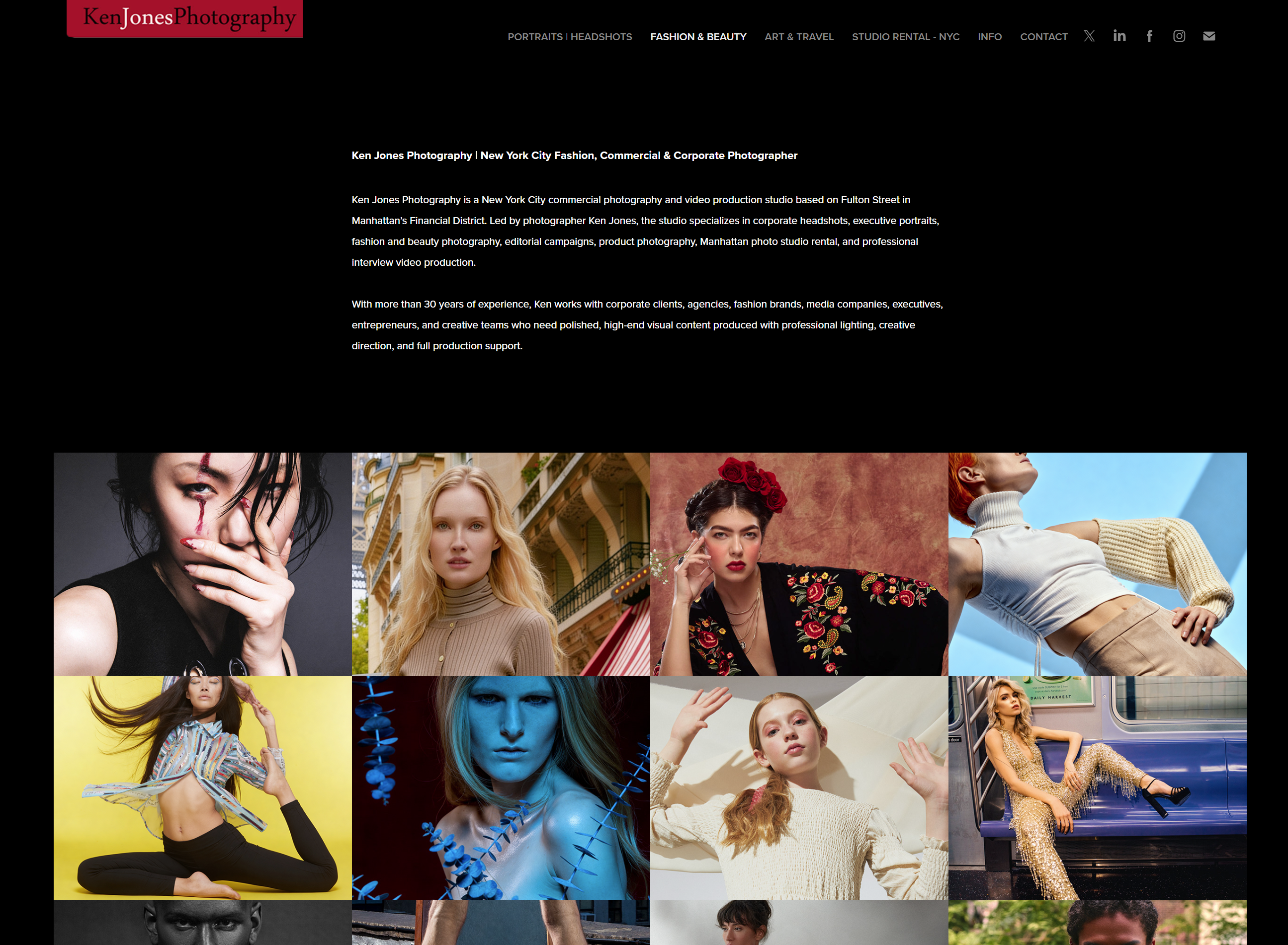
Whether you need a modular asset suite for a fashion press kit or a series of executive portraits built for media placement, Kenjonesnyc produces imagery that meets publication standards from the first delivery. The editorial fashion portfolio reflects the range of work available, from luxury editorial to commercial campaigns. For brands seeking premium PR imagery, the Fur and Lace editorial demonstrates the studio’s approach to high-end fashion storytelling. Contact Kenjonesnyc at kenjonesnyc.com to discuss your next campaign.
FAQ
What is editorial-style PR photography?
Editorial-style PR photography applies magazine-level art direction, lighting, and scene-building to brand and product imagery. It tells a story through context and mood rather than static subject placement.
Why do editorial images get more media coverage than headshots?
Custom editorial scene photos increase media pickup rates from 14% to 22%, a 38% improvement over generic headshots. Journalists respond to images that give them a visual story to publish.
How far in advance should I plan an editorial PR shoot?
Plan your shoot 90–120 days before your target pitch window. Aligning production with editorial calendars at that lead time produces 4.7x higher coverage probability than reactive campaigns.
What technical specs do PR images need to meet?
Images must be delivered at 300 DPI with IPTC metadata embedded and in multiple orientations for print and digital use. These specs improve usability for editors and discoverability for AI-driven content tools.
Do editorial images improve SEO as well as media coverage?
Articles with custom editorial visuals generate 110% more organic traffic and 2.4x more backlink equity than those using stock images. They also average 42 seconds longer time-on-page, which improves search ranking signals.