
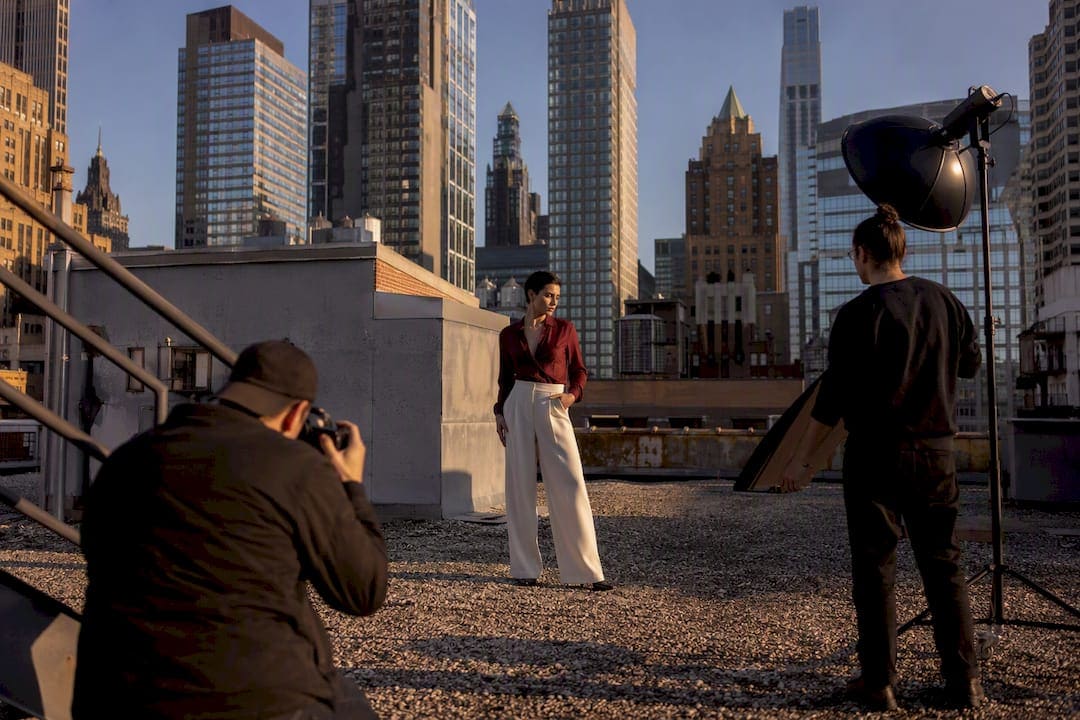
The smartest move for most fashion shoots in New York is booking a controlled studio space, then adding a location day only once permits and backup plans are locked. Studios give you lighting control and zero permit risk. Outdoor and landmark spots deliver a look you can’t fake indoors, but they only work if you’ve confirmed power, permit requirements, and a plan B before the call sheet goes out.
TL;DR:
- Studios provide total lighting control and eliminate permit concerns, making them ideal for beauty, e-commerce, and editorial shoots unless outdoor or landmark locations are essential.
- When scouting locations, confirm power capacity, load-in dimensions, space needs, regulatory requirements, and logistics at the actual shoot time to avoid surprises.
- Permits for public or private spaces typically cost at least $500 for each 14-day period, with additional expenses for insurance, security, parking, and contingencies.
- Shooting during weekday mornings or midweek, sequencing geographically, and minimizing gear can significantly reduce costs and streamline the production day.
- Alternative locations like industrial neighborhoods and underused waterfront areas often offer lower costs, fewer restrictions, and similar visual appeal compared to popular, permit-heavy spots.
Table of Contents
- Fashion Shoot Locations NYC: The Main Types and When to Use Them
- How to Evaluate a Location: A Production-Readiness Checklist
- Permits, Insurance, and Costs for Shooting in NYC
- Best Times and Tactics for Shooting Iconic NYC Spots
- Contact and Booking Tips to Negotiate With Location Owners
- Alternative or Hidden Gem Locations Away From Typical Spots
- A Production Lesson From Twenty Feet Below Manhattan
- How Ken Jones Photography and FultonStudio Support NYC Location Shoots
- Sources
- FAQ
Fashion Shoot Locations NYC: The Main Types and When to Use Them
I’ve shot fashion in more freight elevators, rooftops, and subway platforms than I can count, and the biggest mistake teams make is picking a location because it looks good on Instagram instead of picking one that fits the shot list. Each location type in New York solves a different problem. Match the space to the creative goal, not the other way around.
Studios and lofts are the default for beauty work, e-commerce, and anything requiring tight lighting control. Before booking, ask about ceiling height (10 feet minimum for most fashion setups, more if you’re building a cyc wall look), the grip package included, and whether you’re paying extra for modifiers or stands. A loft with exposed brick reads “editorial” but often has worse power infrastructure than a purpose-built studio, so ask about amps before you fall in love with the aesthetic.
Rooftops give you skyline drama no green screen can replicate. Check railing height, wind exposure at altitude (it’s always windier up top than the street suggests), and whether the building requires its own separate access agreement on top of any city permit.
Street and landmark locations bring instant context, but recognizable New York means crowds, and crowds mean you need a plan for timing and possibly a permit.
Parks and plazas offer natural light and greenery you won’t find anywhere else in Manhattan, though NYC Parks has its own approval process and restrictions on gear and group size.
Private venues and warehouses offer the most creative flexibility, at the cost of longer negotiation and higher location fees.
Pro Tip: Always ask for daytime AND after-hours rates on private venues. Owners often quote the higher event rate by default, and a weekday morning slot can run 30 to 40 percent less.
How to Evaluate a Location: A Production-Readiness Checklist
A location that looks perfect in photos can fall apart the moment your truck shows up. Run through this before you sign anything:
- Power layout. Confirm dedicated circuits and total available amps. Most fashion setups with strobes, a fan, and a laptop station need more than a single household circuit can handle.
- Load-in dimensions. Measure doorway width, elevator size, and stair count. I’ve had crews discover a C-stand case doesn’t fit through a doorway five minutes before call time.
- Space allocation. You need a real glam area, a client viewing zone, gear staging that’s out of the shot, and a lockable spot for wardrobe and valuables. Don’t assume “one big room” solves all four needs.
- Regulatory triggers. Ask directly whether the address requires a permit for tripods or lighting rigs, and whether neighbors have complained about shoots before.
- Logistics. Confirm restroom access, whether outside catering is allowed, Wi-Fi strength for tethering, and realistic parking or valet options nearby.
Good location scouting means documenting power capacity, truck access, door widths, and ambient noise, and visiting at the actual time of day you plan to shoot, since a space that’s quiet at 10 a.m. can turn into a construction zone by 1 p.m.
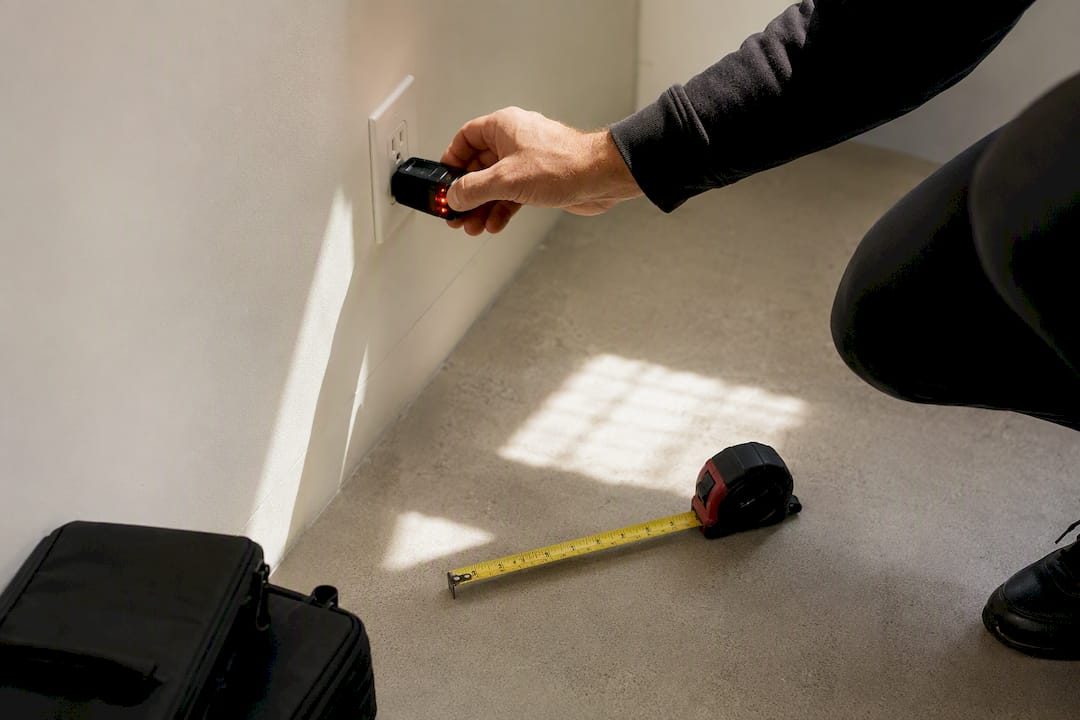
Pro Tip: Bring a tape measure and a plug tester to every scout. It takes two minutes and has saved more shoots than any amount of “the space felt right.”
Permits, Insurance, and Costs for Shooting in NYC
Here’s where teams get burned. If your shoot uses tripods, external lighting, or requests exclusive use of a public space, you need a permit through the Mayor’s Office of Media and Entertainment. MOME reviews most applications 48 to 72 hours in advance, though Times Square requires seven business days of lead time.
The permit fee runs $500 per consecutive 14-day period, which is worth budgeting even if you only need one shoot day, since that’s the minimum billing window. For limited still photography with no tripods or lighting rigs, MOME’s Letter in Lieu option can sometimes replace a full permit application, which is worth asking about before you assume you need the whole process.
Parks, the MTA, and the Port Authority each run their own approval layers on top of any citywide permit. Shooting in a city park or a subway station means coordinating with that specific agency, not just MOME, and the timelines don’t always align.
Budget these line items into every location shoot:
- Location fee: varies widely by neighborhood and venue, from a few hundred dollars for a modest loft to several thousand for a sought-after rooftop or private venue.
- Permit fee: $500 per 14-day window when a MOME permit applies.
- Insurance: most permitted activity requires $1 million in general liability coverage naming the City of New York as additional insured.
- Security and parking: often overlooked until the day of, especially for street shoots with equipment trucks.
- Contingency buffer: build in extra for weather delays or a location falling through.
A practical NYC production guide puts it plainly: shooting here demands more paperwork than most cities, but the infrastructure to support it exists once you know where to look.
Best Times and Tactics for Shooting Iconic NYC Spots
Timing decides more of your shot quality than gear does. Golden hour in Manhattan, especially along the waterfront in DUMBO or looking west from the East River, gives you warm, low-angle light that flatters almost every skin tone. Pre-dawn works for locations where crowds are the real obstacle, like Times Square or the steps at Grand Army Plaza.
A few tactics that consistently save time and money on location days:
- Shoot midweek, not weekends, for lower foot traffic at popular outdoor spots.
- Sequence your day geographically, not by shot list order, to cut travel time between setups.
- Keep gear minimal when possible; a small kit sometimes qualifies for a Letter in Lieu instead of a full permit.
- Build a tight call sheet so talent and crew know exactly when to move between locations.
Some landmarks carry real restrictions worth knowing before you plan around them. The Brooklyn Bridge is heavily restricted for production activity, subway interiors require direct MTA coordination, and Times Square’s longer lead time makes it a poor fit for last-minute bookings. DUMBO and Williamsburg, once easy wins for that industrial-chic backdrop, have also tightened up, so scouting a nearby block with a similar look can save you the permit friction entirely.
Contact and Booking Tips to Negotiate With Location Owners
Most location owners in New York have been burned by a production before, usually one that overstayed its window or left a mess behind. Show up prepared and you’ll get better rates and faster yeses.
Lead with specifics when you first reach out: shoot date, crew size, gear list, and expected hours on site. Vague inquiries get vague, slow responses. Owners want to know exactly what’s walking through their door.
Ask about the cancellation policy before you ask about price. Weather kills more outdoor fashion shoots than anything else, and knowing whether you’ll lose a deposit for a rain delay changes how you plan the whole week.
Negotiate the rate against the day of week and time block, not just the total hours. A private venue that charges a premium for a Saturday afternoon event slot will often come down significantly for a Tuesday morning session, since that’s dead time on their calendar anyway.
Get everything in writing, including what happens if you run over your booked hours. I’ve seen shoots lose an entire final setup because nobody confirmed overtime terms up front, and the building manager simply locked the door at 6 p.m. sharp.
Finally, ask who else has shot there. A location with photography experience already knows what you need and moves faster than one that’s never hosted a crew.
Alternative or Hidden Gem Locations Away From Typical Spots
Everyone wants the same twenty spots, which is exactly why they’re expensive and permit-heavy. The smarter play is finding a location one or two neighborhoods over that gives you the same visual story without the crowd or the price tag.
Industrial stretches of Sunset Park and Gowanus offer the same gritty, warehouse-district look that DUMBO built its reputation on, at a fraction of the permit scrutiny. The Lower East Side still has narrow, character-filled blocks that read as classic New York without the Times Square level of foot traffic. Governors Island, seasonally accessible by ferry, gives you green space and skyline views with far less red tape than Central Park’s more visible zones.
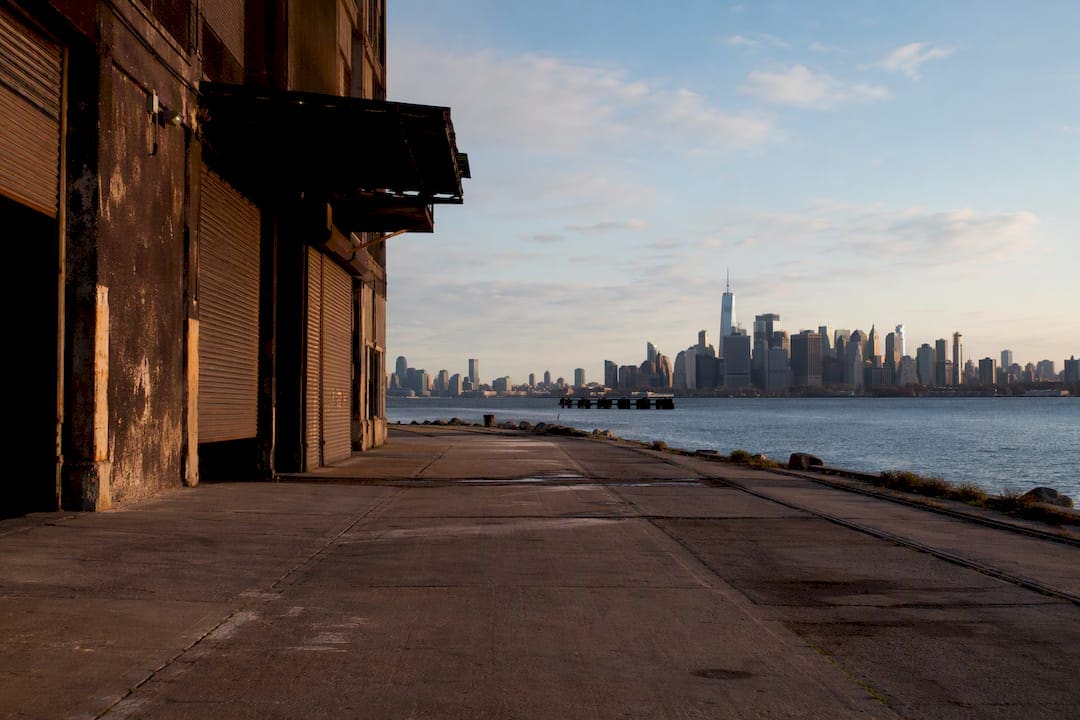
Rooftop access through smaller residential buildings, arranged directly with a landlord rather than a commercial venue broker, often costs less than a dedicated event rooftop and comes with fewer restrictions on gear. Staten Island’s waterfront, underused by most fashion productions, offers skyline views of Manhattan from a completely different angle than anyone’s seen a thousand times already.
The tradeoff with hidden gem locations is usually access logistics, not permits. You’ll spend more time figuring out parking or ferry schedules than filling out paperwork, which for most teams is a fair trade for a fresh backdrop.
A Production Lesson From Twenty Feet Below Manhattan
I once had a fashion team booked for a subway platform shoot that turned into a lesson in humility. We’d scouted at 11 a.m., quiet as could be, and booked the same slot two weeks later. Rush hour bled into our window that day, and we lost forty minutes just waiting for a gap in foot traffic.
The fix wasn’t more permits or more crew. It was building a backup studio segment into the same call sheet, so the day wasn’t a total loss when the platform got crowded. Now I always book a location day with a studio fallback attached, especially for subway or street work. Plans change fast underground, and the shoot that survives is the one built with a second option already paid for.
— Ken
How Ken Jones Photography and FultonStudio Support NYC Location Shoots
For creative teams who don’t want to gamble a shoot day on permit timelines or a weather forecast, offers a controlled alternative to the location-hunting grind: a working studio space with gear, crew, and full production support when a project calls for it.

A physical studio space can function as either the whole shoot or the reliable fallback for a location day gone sideways. Full-service support can cover creative direction, casting, styling, hair and makeup coordination, assistants, lighting, and location planning, along with retouching and delivery once the shoot wraps. Teams doing beauty work, e-commerce, or a controlled editorial lookbook can be best served by studio rental from the start. Teams chasing a specific backdrop often benefit from pairing that location day with studio time for coverage insurance.
Review the fashion photography portfolio to see how studio and location work combine in practice, or reach out to check studio availability and request a quote for an upcoming shoot.
Sources
- Permits – MOME
- Filming in NYC: Permits, Locations, A Practical Guide (2026) | NeedaCrew
- Filming in parks and special locations – 311 explanation
FAQ
How much does a one hour photoshoot cost in NYC?
Cost depends heavily on location type and crew size. A studio rental hour typically costs far less than a permitted street or landmark shoot once you factor in the $500 MOME permit fee per 14-day window and insurance requirements.
Which location is best for a fashion photoshoot?
A studio is best when you need full lighting control for beauty or e-commerce work, while outdoor and landmark spots suit editorial stories that need recognizable New York context. Studio rental through a space like FultonStudio removes permit risk entirely for most fashion projects.
What are the best places to shoot film or photos in NYC?
Industrial neighborhoods like DUMBO, Williamsburg, and the increasingly popular Sunset Park and Gowanus corridors offer strong visual backdrops, though heavier restrictions in DUMBO and Williamsburg have pushed many productions toward nearby alternatives with a similar look.
What are some iconic photo spots in New York City?
Times Square, the Brooklyn Bridge, subway platforms, and Central Park top most lists, but each carries specific permit rules; Times Square needs seven business days of lead time, subway shoots require MTA coordination, and the Brooklyn Bridge is heavily restricted for production activity.
Do I always need a permit to shoot fashion photos in public in NYC?
Not always. MOME requires a permit for tripods, external lighting, or exclusive use of public space, but limited still photography without that gear may qualify for a Letter in Lieu instead of a full permit application.