
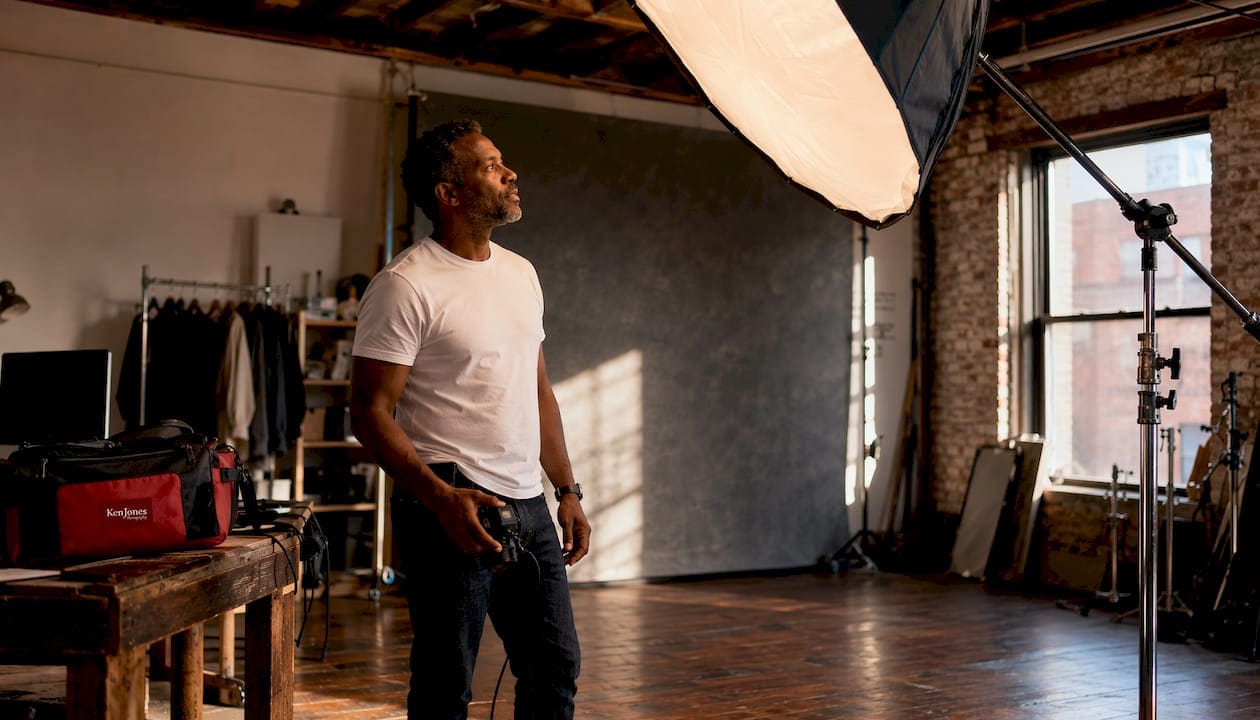
How to choose the right studio for your shoot: the short answer
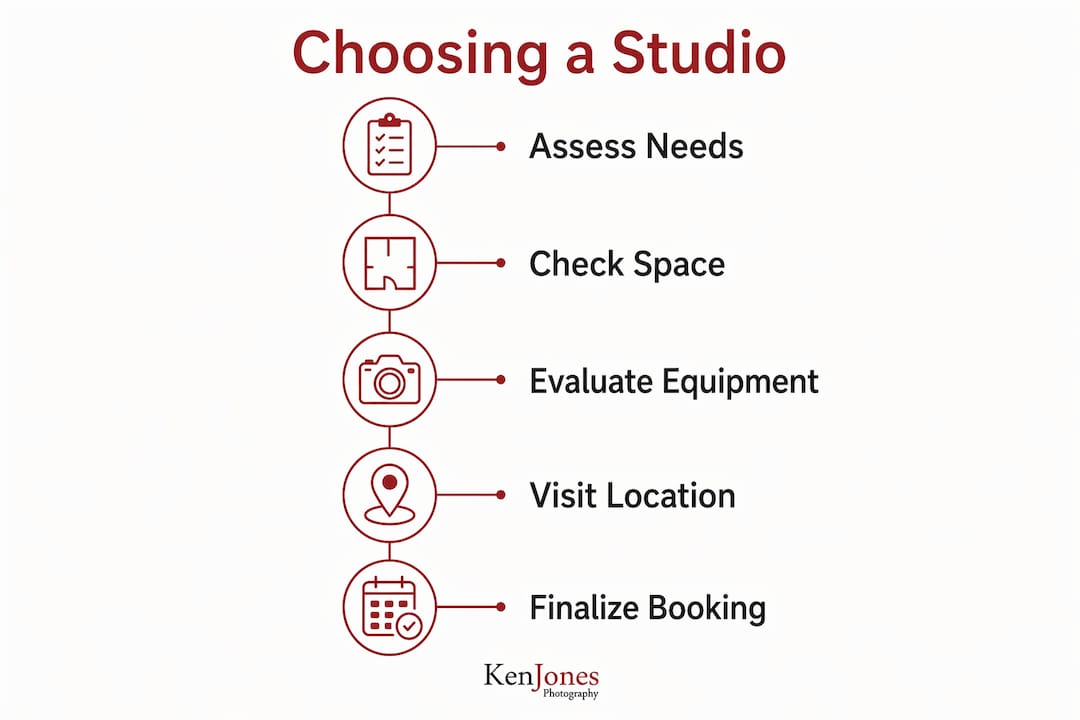
Match the studio to your specific shoot requirements before anything else. The right space has adequate ceiling height for your lighting setup, enough shooting depth for your lens and subject distance, reliable power circuits, and the amenities your talent and crew actually need. Location, pricing, and reputation matter too, but those factors only come into play after the physical space clears the technical bar.
Start with these criteria:
- Shoot type and scale: Portrait, fashion editorial, product, video, or corporate headshots each demand different space configurations.
- Ceiling height: More critical than square footage. Aim for 10 feet minimum for standard work, 12–14 feet for full-length fashion.
- Shooting depth: At least 15 feet for portraits, 25 feet or more for full-length fashion work.
- Power capacity: Confirm dedicated circuits and amperage before booking.
- Amenities: Changing room, hair and makeup station, bathroom access, and load-in logistics.
- Reputation and policies: Recent reviews, transparent pricing, and clear cancellation terms.
What your shoot actually requires before you search
Define your shoot requirements in writing before you contact a single studio. Vague criteria lead to vague bookings, and vague bookings lead to shoot-day problems.
- Shoot type: A corporate headshot session, a fashion editorial, and a product e-commerce shoot each need a different configuration of space, light, and support.
- Team size: Count everyone. Photographer, assistants, models, stylists, hair and makeup artists, and any client representatives. Studios list maximum occupancy for a reason.
- Lighting needs: Do you need strobes, continuous LED, or natural light? Will you bring your own gear or rely on the studio’s inventory?
- Backdrop requirements: Seamless paper, a cyclorama wall, or textured surfaces? Confirm what is included versus what costs extra.
- Workflow time: Add setup and teardown buffers to your estimated shoot time. Running over costs money and rushes the work.
Why location affects more than just your commute
Studio location shapes the entire production day, not just how long it takes to get there. Think through every person and every piece of gear that needs to arrive and depart.
- Proximity to talent and clients: A studio that is convenient for your team but difficult for models or executives creates friction before the shoot even starts.
- Parking: Dedicated studio parking or a nearby lot is worth paying a premium for. Street parking in Manhattan or downtown areas adds stress and unpredictability.
- Load-in access: Studios often advertise ground-floor access that includes small thresholds or limited freight capabilities. A fourth-floor walk-up with no elevator can cost 45 minutes of setup time.
- Neighborhood safety: Especially relevant for evening shoots when clients or talent arrive and depart alone.
- Local permits: Some NYC neighborhoods require permits for commercial production activity on public property adjacent to the studio.
For NYC-specific logistics, the Manhattan studio rental guide covers load-in realities and neighborhood considerations in detail.
Studio space, equipment, and amenities to consider
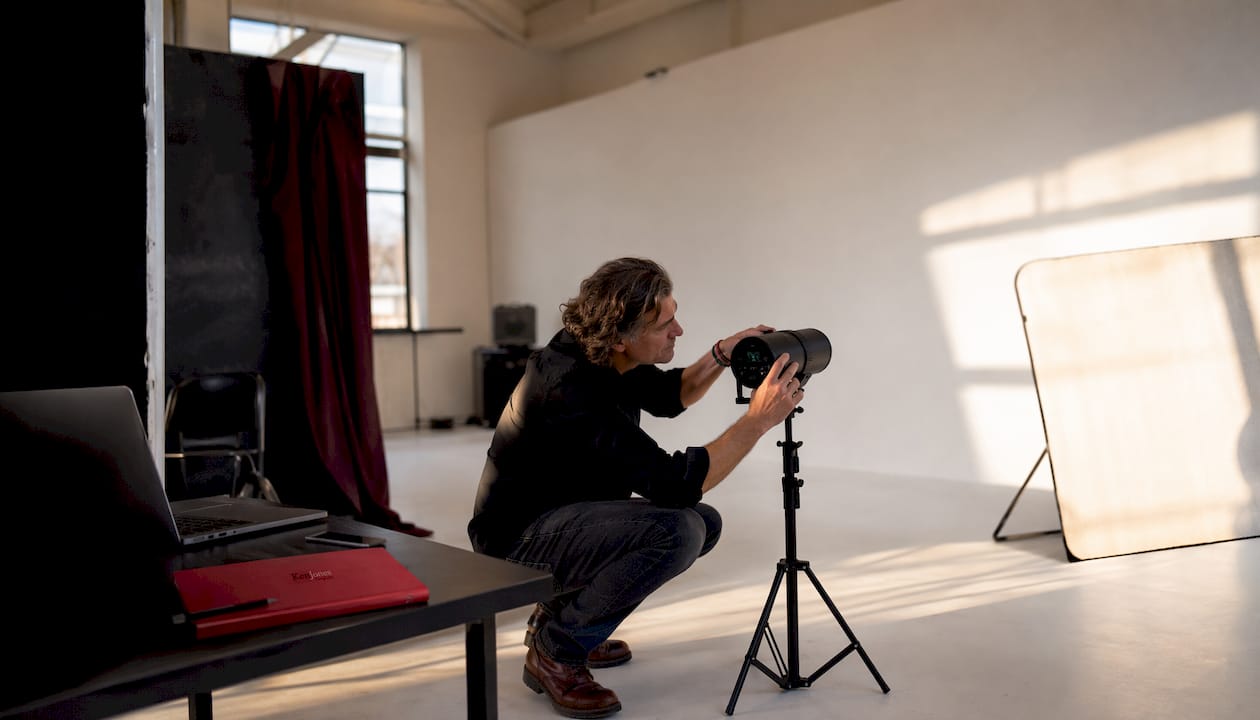
Ceiling height is the single most overlooked factor in studio selection, and it limits everything else. A studio with 8-foot ceilings restricts lighting positions, makes full-length portraits awkward, and rules out overhead setups entirely. Wide-angle listing photos routinely make low ceilings look taller than they are, so always confirm the actual height in writing.
| Ceiling Height | Best For |
|---|---|
| — | Headshots, small portraits, tabletop product |
| 10–12 ft | Full-body portraits, e-commerce, small fashion |
| 14+ ft | Full-length fashion editorial, group shots, athletic motion |
| — | Cyc wall shoots, large commercial productions |
Beyond height, verify these before booking:
- Shooting depth: Camera-to-subject and subject-to-background distances determine your lens choice and prevent distorted perspective.
- Lighting inventory: “Fully equipped” studios may have continuous lights unsuitable for freezing fast action. Confirm the brand, model, and included modifiers.
- Electrical capacity: Check the number of dedicated circuits and amperage to prevent breaker trips during lighting-heavy shoots. US studios on standard 15-amp circuits can handle a limited number of strobes before risking a trip; commercial studios typically have higher amperage dedicated circuits.
- Backdrops and cyc walls: Confirm seamless paper colors, widths, and whether the cyc is a true curved wall at all edges.
- Amenities: Bathroom access, a private changing room, a hair and makeup station with proper lighting, and a kitchen or prep area for full-day shoots.
A thorough studio amenities comparison can help you build a checklist before you reach out to any space.
How to evaluate studio reputation and reviews
Marketing photos tell you what a studio wants you to see. Reviews tell you what actually happens on shoot day. Prioritize recent feedback from commercial clients, not just portrait photographers, because production demands differ significantly.
- Look for responsiveness. A studio that answers equipment questions quickly and specifically is one that understands professional production.
- Ask for references from shoots similar to yours in scale and type.
- Watch for red flags: refusal to allow a walkthrough, vague or incomplete equipment lists, and listing photos that appear to be shot with a fisheye lens.
- Check Google reviews alongside any photography community forums where working professionals share candid assessments.
Creating a shortlist and making the final decision
Narrow your list to three or four studios, then contact each one with specific questions about availability, pricing, and policies. Generic inquiries get generic answers. Ask exactly what lighting is included, what the overtime rate is, and whether setup time is billed separately.
- Schedule a walkthrough or video tour for any shoot of significant scale. Thorough walkthroughs uncover details about lighting quality, ambient noise, and layout that photographs cannot reveal.
- Test natural light at the exact hour your shoot will run. North-facing windows offer consistent soft light throughout the day; south-facing light is harsher and varies, which complicates scheduling.
- Compare cancellation terms, deposit requirements, and overtime policies side by side before committing.
Pro Tip: Bring a tape measure to any walkthrough. Listing photos distort space, and the actual shooting zone is often smaller than it appears. Measure camera-to-backdrop distance yourself.
Veteran insights from 30 years of NYC commercial shoots
The studio choice is a production decision, not an administrative one. Make it early.
Choosing a studio as an afterthought is one of the most common and costly mistakes I see brands and creative teams make. The right space functions as a creative partner, not just a room with lights. When a studio asks about your brand requirements, your timeline, and your technical needs before you even mention a date, that is the studio worth booking.
Here is how that plays out in practice. On a fashion editorial shoot in Lower Manhattan, the studio listed “25 feet of shooting depth.” The actual usable distance from camera position to the back wall, accounting for lighting positions and a prop table, was closer to 17 feet. That forced a wider lens than planned, which changed the perspective on full-length looks and added retouching time in post. A 15-minute walkthrough with a tape measure would have caught it.
Practical lessons from real production:
- Confirm power circuit specs in writing, not verbally. A breaker trip mid-shoot with strobes at full power is a shoot-stopper.
- Visit at your actual shoot time to assess natural light and ambient noise, not at noon on a Tuesday when the building is quiet.
- Ask the studio what the highest-wattage shoot they have hosted without issues was. That answer tells you the practical electrical limit.
- Treat the studio’s responsiveness during booking as a preview of how they will handle problems on shoot day.
- Book the studio before you finalize talent, not after. Space availability drives the schedule.
Planning your photoshoot logistics
Logistics planning starts the moment you select a studio, not the day before the shoot. Confirm building access procedures, earliest arrival time for setup, and whether the studio provides a freight elevator or loading dock. Send your team the parking instructions, studio address, and access codes in advance. A shot list organized by priority order keeps the session on track when time pressure builds. For video shoots, the differences between video and photo studio requirements affect everything from power needs to acoustic treatment.
Cancellation and rescheduling policies
Read the cancellation policy before you pay the deposit. Policies range from fully refundable with 48 hours’ notice to non-refundable regardless of circumstances. Ask specifically whether rescheduling is treated as a cancellation, what percentage of the deposit is retained, and whether illness or weather qualifies for any protection. For larger productions, negotiate rescheduling terms in writing before signing.
Studio safety and compliance standards
A professional studio should meet basic fire code occupancy limits, have clearly marked exits, and provide ADA-accessible facilities where required. Confirm that electrical systems are up to code, especially if you are running high-wattage lighting rigs. Studios that require proof of general liability insurance are signaling a professional operation. Short-term event insurance typically runs $75–$150 per day from providers like Thimble or NEXT for one-time renters who do not carry a business policy.
Availability and booking process
Popular studios in New York, Los Angeles, and Miami book 2–4 weeks out for weekday slots and 3–6 weeks for weekends, with prime weekend availability sometimes requiring 4–8 weeks of lead time. Confirm your booking in writing with a full breakdown of dates, times, included equipment, and payment terms. Follow up 48 hours before the shoot to verify access instructions and any last-minute changes.
Additional services that can make or break a shoot
The gap between a studio that rents space and one that supports production is significant. Top-tier commercial studios offer lighting technicians, prop sourcing, custom backdrop options, and on-site production coordination. For fashion and beauty work, a studio with a dedicated hair and makeup station and a garment steamer saves setup time. For video, ask whether the studio provides continuous lighting, acoustic panels, and teleprompter support. Studios that ask about your brand requirements and compliance needs upfront tend to serve complex productions far better than those focused only on booking dates.
Budget studios in mid-size US markets run $40–$90 per hour; premium NYC studios typically range from $150–$350 per hour or more, usually with 2–4 hour minimums. Full-day rates often discount a portion off the summed hourly rate.
If you are planning a shoot in New York City and want to see what a well-equipped studio with full production support looks like in practice, explore the fashion and studio rental work at Ken Jones Photography. The FultonStudio in Manhattan’s Financial District is available for fashion, beauty, commercial, corporate, and video productions.
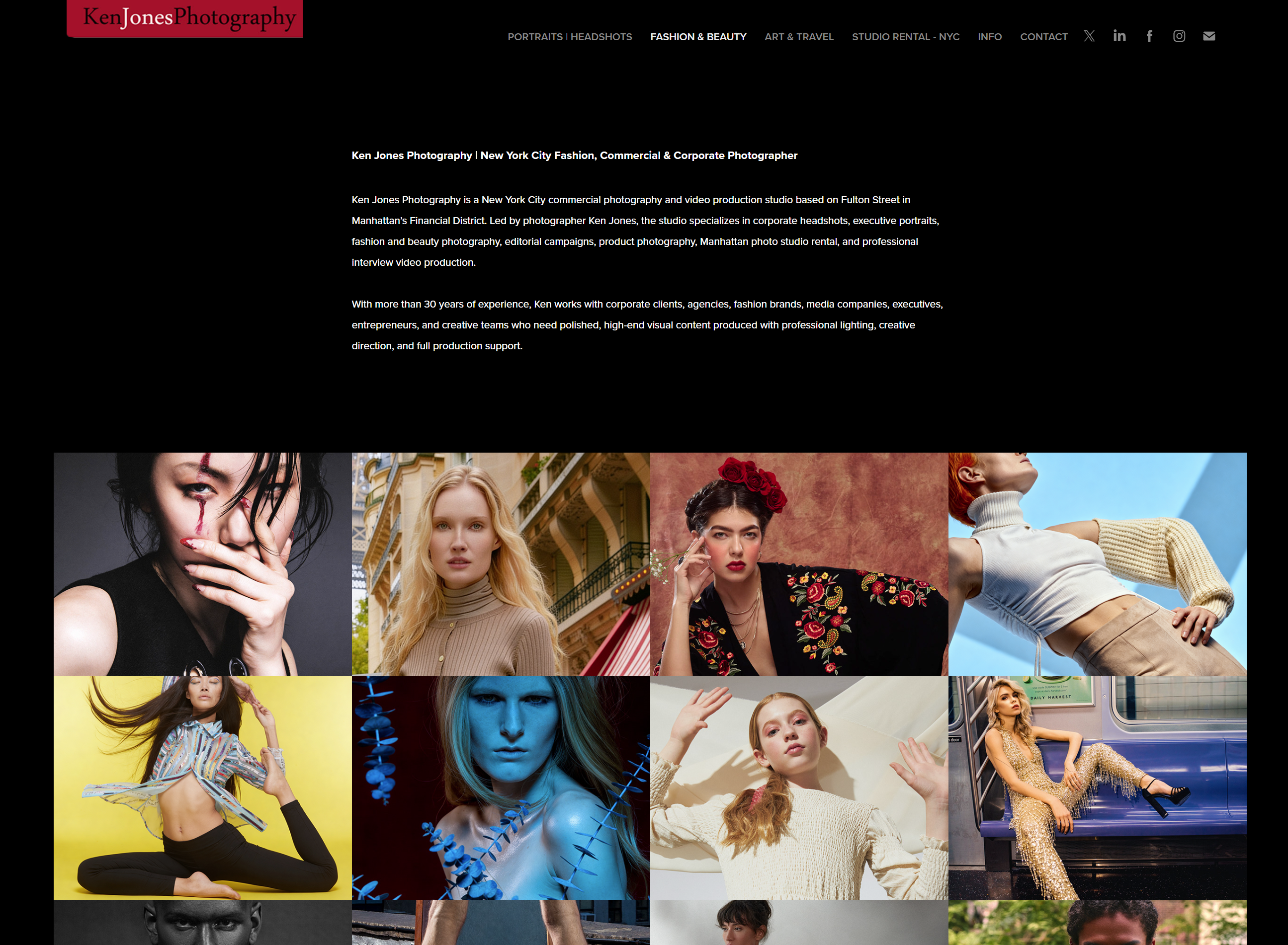
Visit kenjonesnyc.com to review the portfolio, check availability, or discuss your upcoming project.
Key Takeaways
Choosing the right studio requires matching your shoot’s technical and logistical requirements to the space before evaluating price or aesthetics.
| Point | Details |
|---|---|
| Ceiling height first | Prioritize ceiling height over square footage; 14+ feet is needed for full-length fashion editorial work. |
| Verify power capacity | Confirm dedicated circuit amperage in writing to prevent breaker trips during lighting-heavy shoots. |
| Book early in NYC | Prime weekend slots in New York book 4–8 weeks in advance; secure the studio before finalizing talent. |
| Walk through before booking | In-person visits reveal HVAC noise, actual shooting depth, and electrical issues that listing photos hide. |
| Read cancellation terms | Policies vary widely; confirm rescheduling terms and deposit conditions in writing before paying. |
FAQ
What is the most important factor when selecting a photography studio?
Ceiling height is the single most critical factor. It determines your lighting positions, overhead setup options, and whether full-length work is even possible in the space.
How far in advance should you book a studio in New York City?
Plan 2–4 weeks ahead for weekday bookings and 4–8 weeks for prime weekend slots at popular NYC studios.
What should you ask about a studio’s lighting before booking?
Ask for the specific brand, model, power output, and included modifiers. “Lighting included” can mean anything from a single continuous LED to a full strobe kit with softboxes and beauty dishes.
Do you need liability insurance to rent a photography studio?
Many professional studios require proof of general liability insurance, typically with a minimum coverage amount. Short-term event insurance for one-time renters can be obtained from providers like Thimble or NEXT at daily rates.
How do you verify a studio’s natural light claims?
Ask which direction the windows face and request photos taken at your actual shoot time. North-facing windows provide consistent, even light throughout the day; east and west-facing windows are only useful during specific hours.