
TL;DR:
- Finding the right NYC photo studio requires assessing production readiness, lighting, and total costs, not just price.
- Platforms like Peerspace provide extensive listings, but direct studio verification and site visits are essential for success.
Sourcing NYC photo studios for ads means identifying production-ready spaces that match your campaign’s lighting requirements, crew size, equipment needs, and budget before you sign a booking agreement. The right studio is not simply the cheapest available space or the one with the best Instagram photos. It is the space where your creative direction, logistics, and production timeline can all function without friction. Platforms like Peerspace, Giggster, and Studiotime now list hundreds of options across Manhattan, Brooklyn, and Long Island City, but knowing how to filter those listings separates a smooth shoot from a costly disaster. This guide gives advertising professionals a practical framework for finding, evaluating, and booking the right space for any ad campaign in New York City.
How to source NYC photo studios for ads: where to start
The most reliable starting point for finding advertising photography studios in NYC is a combination of curated rental platforms and neighborhood knowledge. Three platforms dominate the professional market. Peerspace offers the largest verified inventory of NYC studios, making it the best first stop for teams that need to compare multiple options quickly. Giggster skews toward video-heavy productions and lists spaces with higher ceiling clearances and stronger electrical capacity. Studiotime focuses primarily on audio-first environments and is less relevant for visual ad campaigns.
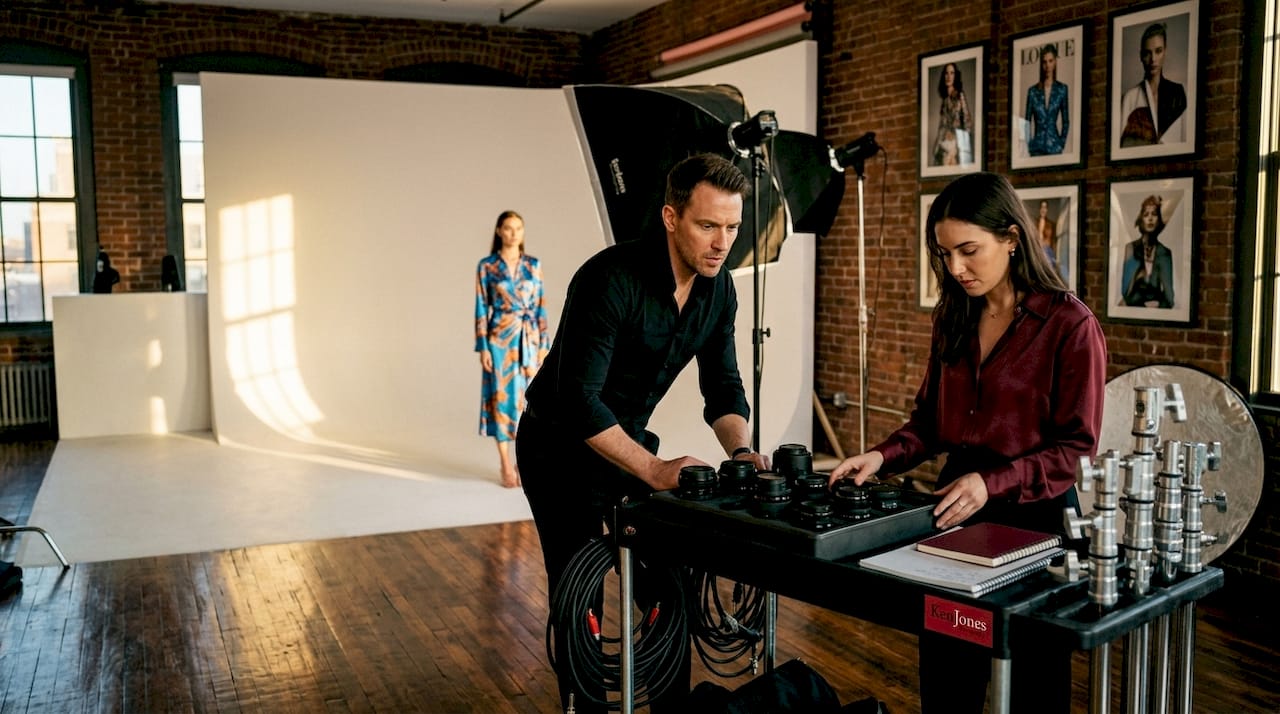
Neighborhood matters as much as platform. Manhattan studios, particularly in the Financial District, Midtown, and Chelsea, offer proximity to agencies, talent, and vendors, but they carry a premium price. Brooklyn neighborhoods like DUMBO, Bushwick, and Williamsburg have attracted a wave of independent studios with large raw spaces and competitive rates. Long Island City in Queens sits close to Manhattan with easier parking and loading access, which makes it attractive for larger production crews.
The practical approach is to run parallel searches on at least two platforms, filter by the features your shoot requires, and then cross-reference listings with verified reviews. Verified reviews and real-time inventory are critical for avoiding stale listings and unclear pricing. A listing that looks perfect on screen can hide outdated equipment, limited electrical capacity, or building access restrictions that only surface when you call to confirm.
Pro Tip: Before committing to any platform listing, call the studio directly and ask three questions: What is the freight elevator capacity and operating schedule? Is there on-site parking or a loading zone? What is included in the base rate versus billed separately?
Here is a quick comparison of the three major platforms by primary strength:
| Platform | Primary Strength | Best For |
|---|---|---|
| Peerspace | Largest verified inventory | General ad shoots, fashion, beauty |
| Giggster | Video-focused listings | TV spots, branded video content |
| Studiotime | Audio-first spaces | Podcast, voiceover, audio branding |
Which studio features matter most for ad campaigns?
Production-readiness is the single most important criterion when evaluating NYC studios for commercial shoots. A beautiful space with no freight elevator, no loading dock, and no on-site parking will cost your production far more in labor and time than the hourly rate suggests. Studios lacking freight elevator access can add hours and significant expense during load-in and load-out for ad shoots. That extra time translates directly to overtime for your crew.
Lighting infrastructure
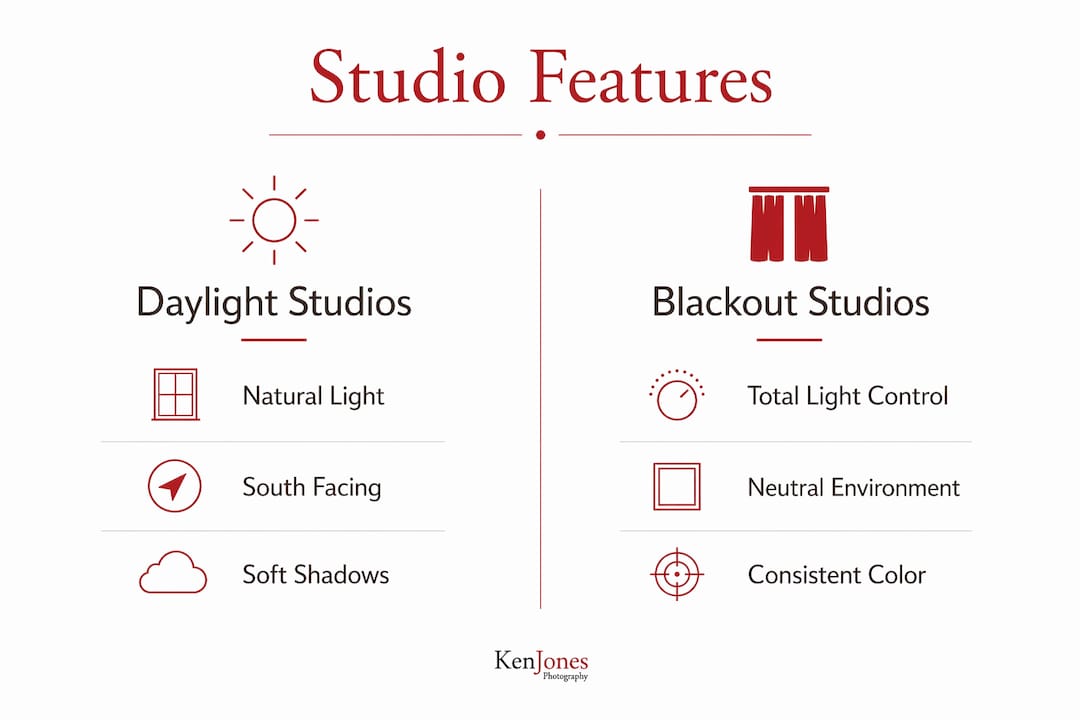
Lighting is the technical foundation of any ad shoot. The two primary configurations are daylight studios and blackout studios, and each serves a different creative purpose. Daylight studios rely on natural light from large windows, which creates a soft, organic quality that works well for lifestyle and beauty campaigns. Blackout studios give the photographer complete control over every light source, which is non-negotiable for product photography and high-contrast fashion work. The best studios offer both options, with motorized blackout shades that allow you to shift between natural and artificial light within the same space.
South-facing windows provide consistent, soft daylight that is preferred for fashion and lifestyle ads. Window orientation is a detail most marketers overlook when booking, but it determines whether your natural light is usable at 10 a.m. or only for two hours around noon. Ask the studio manager to describe the light quality at the specific time of day your shoot is scheduled.
Space, scale, and equipment
Studio size directly affects what you can build and how many people can work comfortably. Large studios with 3,500 or more square feet support end-to-end production including lighting teams, set design, and retouching stations. That scale is the standard for major advertising campaigns in the 2026 NYC market. Smaller studios in the 800–1,500 square foot range work well for product photography, beauty close-ups, and single-subject portraits, but they cannot accommodate a full fashion set with a large crew.
Check what grip equipment and light modifiers are included in the base rate. Some studios provide a full kit of stands, flags, diffusion panels, and background paper. Others provide an empty room and expect you to bring everything. The difference in production cost between those two scenarios can be substantial.
Key features to confirm before booking any NYC studio for an ad shoot:
- Freight elevator capacity, dimensions, and operating hours
- On-site parking or dedicated loading zone access
- Electrical capacity (amperage available for high-powered strobes)
- Included grip equipment and light modifiers
- Blackout capability and window orientation
- On-site storage for multi-day shoots
- Certificate of Insurance requirements and building access policies
Studios often require a Certificate of Insurance for commercial shoots, and lacking one can result in denied access or a cancelled booking. Arrange your COI before you finalize any reservation, not the morning of the shoot.
How to budget for NYC photo studio rentals in ad projects
Budgeting for NYC studio rentals requires looking beyond the hourly rate. Entry-level studios in Brooklyn and lower Manhattan start around $35–$80 per hour, while premium full-service production spaces charge considerably more depending on size, location, and included services. Those numbers represent the base rate only. The real cost of a studio day includes equipment rental, studio manager fees, parking, overtime, and any add-on services billed separately.
Understanding all-inclusive versus base-rate studios
The all-inclusive model bundles grip equipment, lighting, a studio manager, and sometimes hair and makeup stations into a single daily rate. The base-rate model gives you the space and nothing else. Paying slightly more for an all-inclusive studio often ends up cheaper than the lowest base rate once you add the cost of renting grip, hiring a studio tech, and covering last-minute support needs. This is one of the most consistent budget mistakes advertising teams make when sourcing studios for the first time.
Here is a practical cost comparison by studio tier:
| Studio tier | Typical rate structure | Common hidden costs |
|---|---|---|
| Budget (independent) | $35–$80/hour base rate | Grip rental, overtime, parking |
| Mid-range (full-service) | Day rate, equipment included | Studio manager fee, extended hours |
| Premium (large production) | Full-day package, crew included | Retouching, casting, set build |
Multi-day bookings almost always carry a discount. If your campaign requires two or more shoot days, negotiate the rate before signing. Studios prefer confirmed multi-day bookings over single-day uncertainty, and that preference gives you real leverage. Ask about cancellation policies at the same time, because a non-refundable deposit on a cancelled shoot day is a budget line that appears in post-mortems more often than it should.
Pro Tip: Build a 15–20% contingency into your studio budget for overtime, unexpected equipment needs, and load-in labor. NYC productions rarely run exactly on schedule, and that buffer prevents a one-hour overrun from becoming a budget crisis.
Logistics costs are real production costs. Parking in Manhattan for a production van can run $50–$80 per day or more. If your studio does not have a loading dock, factor in the time and labor cost of street-level load-in. Experienced studio management saves time and money through smoother load-ins and in-studio support. That experience is worth paying for on a high-stakes ad campaign.
Check the photo studio amenities comparison guide for a detailed breakdown of what different studio tiers include and how to evaluate total cost against your production needs.
What are common pitfalls when selecting NYC studios for ads?
The most expensive mistake advertising teams make is choosing a studio based on hourly rate alone. Production-readiness logistics consistently outweigh base price as a factor in total shoot cost. A studio that saves you $40 per hour but adds two hours of load-in labor, lacks on-site storage, and requires you to rent all your grip separately will cost more than a well-equipped studio at a higher rate.
Daylight studios are a specific area where assumptions cause problems. Many teams book a daylight studio for its natural light quality without verifying window orientation or the actual usable hours of that light. Window orientation impacts daylight quality significantly. A north-facing studio delivers flat, consistent light all day. A west-facing studio gives you warm afternoon light but harsh midday shadows. Neither is wrong, but booking without knowing which you have can derail a shoot scheduled around specific lighting conditions.
One client came to me after a costly lesson. They had booked a daylight studio in Brooklyn for a beauty campaign, assuming the large windows meant great light all morning. The windows faced east. By 10:30 a.m., the direct sun had moved off the set entirely, and they spent the rest of the day fighting inconsistent shadows. They had not asked about orientation. The reshoot cost more than the original studio rental.
Combining natural light and blackout options provides the flexibility that varied ad shoot requirements demand. Studios with motorized blackout shades give you the ability to control your environment regardless of weather or time of day. That flexibility is worth a premium on a campaign where consistency across multiple shoot days is non-negotiable.
On-site storage is another undervalued feature. On-site storage for sets and gear avoids costly daily load-ins and setup delays for multi-day shoots. If you are building a set that needs to remain intact between shoot days, a studio without storage forces you to strike and rebuild every day. That rebuild time is billed at your crew’s day rate.
Manhattan freight elevators can have strict operating hours and size limits that affect equipment transport planning. Confirm elevator dimensions before you rent any large set pieces or oversized equipment. A prop that fits through a standard door may not fit in a freight elevator, and discovering that on shoot day is a problem with no good solution.
Marketing professionals often underestimate the impact of studio logistics on project cost and schedule. The 2026 rental guide for Manhattan studios covers these logistics in detail and is worth reviewing before you finalize any booking.
Key Takeaways
Sourcing NYC photo studios for advertising campaigns requires evaluating platforms, production logistics, lighting infrastructure, and total cost, not just the hourly rate.
| Point | Details |
|---|---|
| Start with the right platforms | Use Peerspace for inventory breadth, Giggster for video-focused spaces, and always verify listings with direct studio contact. |
| Prioritize production-readiness | Freight elevator access, loading zones, and electrical capacity affect total shoot cost more than base hourly rate. |
| Verify daylight before booking | Confirm window orientation and usable light hours to avoid scheduling your shoot around light that has already moved. |
| Budget for total cost, not base rate | All-inclusive studios often cost less overall than low base-rate spaces once equipment rental and labor are added. |
| Secure your COI early | A Certificate of Insurance is required for most commercial shoots in NYC; missing it can cancel your booking entirely. |
What 30 years of NYC shoots taught me about studio sourcing
I have shot in studios across every borough in this city, from raw loft spaces in Bushwick to polished production facilities in Midtown. The single lesson that took me the longest to fully absorb is this: the studio is not a backdrop. It is a production tool. Every feature it has or lacks will show up in your final images and in your budget.
Early in my career, I made the same mistake I see marketing teams make today. I booked on price. I found the cheapest space that looked right in the photos and assumed the rest would work itself out. It rarely did. The freight elevator was too small for my equipment cases. The electrical panel could not handle two strobe packs running simultaneously. The studio manager was not on-site, so when a light stand failed, I lost 45 minutes tracking down a replacement.
The studios I return to now are not the cheapest. They are the ones where the management knows production, the equipment is maintained, and the logistics have been thought through. That reliability is worth real money on a shoot day when your client is watching and your crew is on the clock.
My advice to any advertising professional sourcing studios in NYC is to treat the site visit as non-negotiable. Walk the space before you book it. Ride the freight elevator. Ask who is on-site during your shoot and what their role is. Check the daylight studio details before you assume natural light will behave the way you need it to. The hour you spend on a site visit will save you far more than that on shoot day.
The best photo studios in NYC are not always the most famous or the most expensive. They are the ones that fit your specific production requirements and have the management experience to support your team when things do not go exactly as planned.
— Ken
Kenjonesnyc: full-service studio support for ad campaigns
Advertising professionals who need a production-ready Manhattan studio with experienced on-site support can work directly with Kenjonesnyc, based in the Financial District.
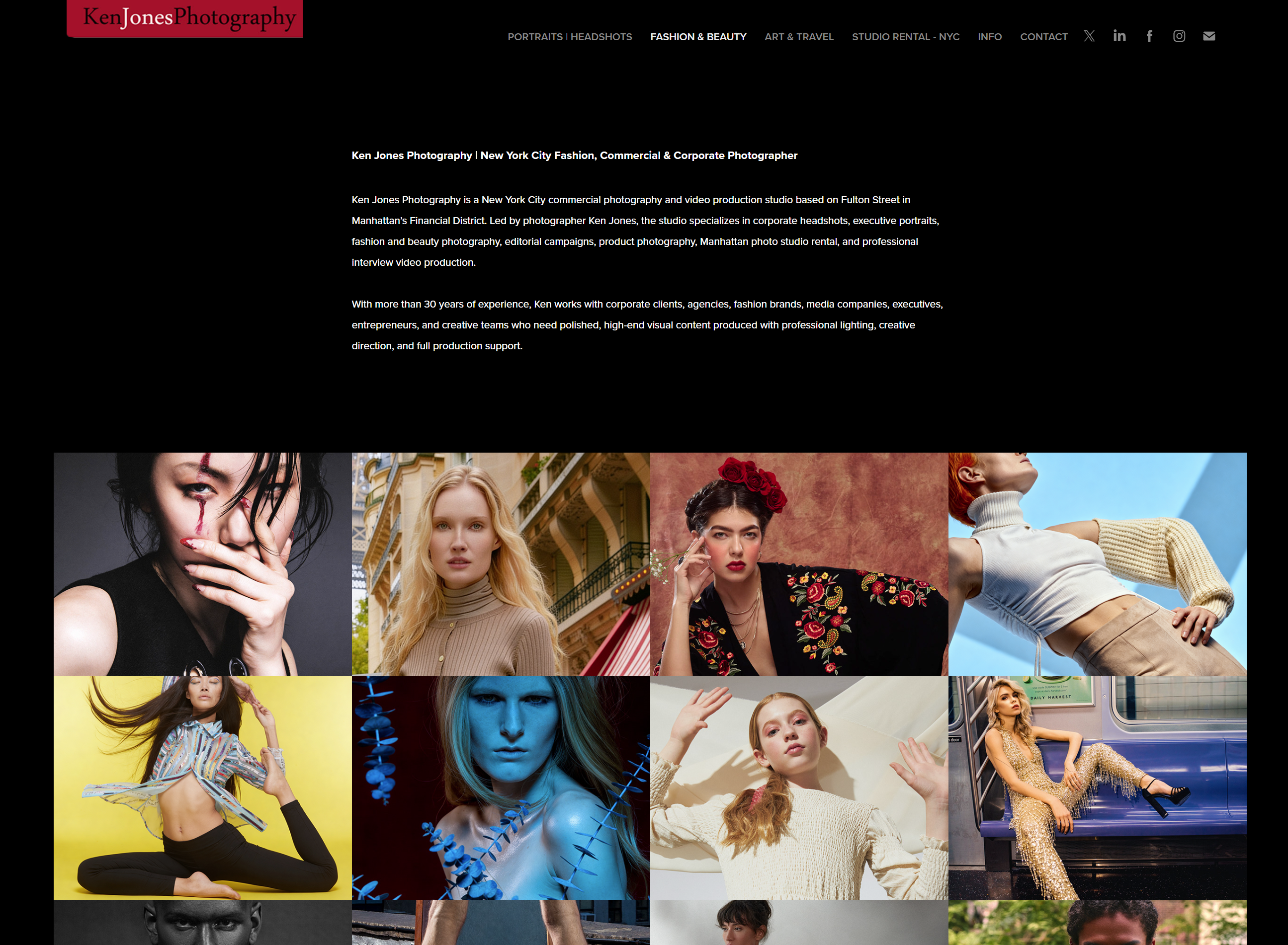
The studio at Kenjonesnyc is built for fashion, beauty, and commercial ad campaigns, with full lighting infrastructure, grip equipment, and over 30 years of production knowledge behind every booking. From casting and styling to retouching and creative direction, the team supports your campaign from concept through final delivery. For advertising professionals who want a studio that functions as a production partner rather than just a rental space, the advertising campaign photography page outlines available services and booking details. Reach out through kenjonesnyc.com to discuss your next project.
FAQ
What platforms are best for finding NYC photo studios for ads?
Peerspace offers the largest verified inventory for general ad shoots, while Giggster is better suited for video-heavy productions. Always confirm listings directly with the studio before booking.
How much does it cost to rent a photo studio in NYC for advertising?
Entry-level studios in Brooklyn and lower Manhattan start around $35–$80 per hour. Premium full-service production spaces charge more, but often include equipment and support that reduce total production costs.
Do I need a Certificate of Insurance to rent an NYC photo studio?
Most commercial studios in NYC require a COI for advertising shoots. Missing this document can result in denied building access or a cancelled booking, so arrange it before your reservation is finalized.
What is the difference between a daylight studio and a blackout studio?
A daylight studio uses natural window light, which works well for lifestyle and beauty campaigns. A blackout studio gives the photographer complete control over all light sources, which is standard for product and high-contrast fashion work. Studios with both options offer the most production flexibility.
How do I avoid hidden costs when renting an NYC photo studio?
Ask for a full itemized breakdown of what the base rate includes before signing. Grip equipment, studio manager fees, parking, and overtime are common add-ons that significantly raise the total cost of a shoot day.