
TL;DR:
- A studio rental equipment checklist is essential to prevent delays and ensure smooth productions.
- It covers camera gear, lighting, grip, backdrops, power, logistics, and client amenities, which all impact success.
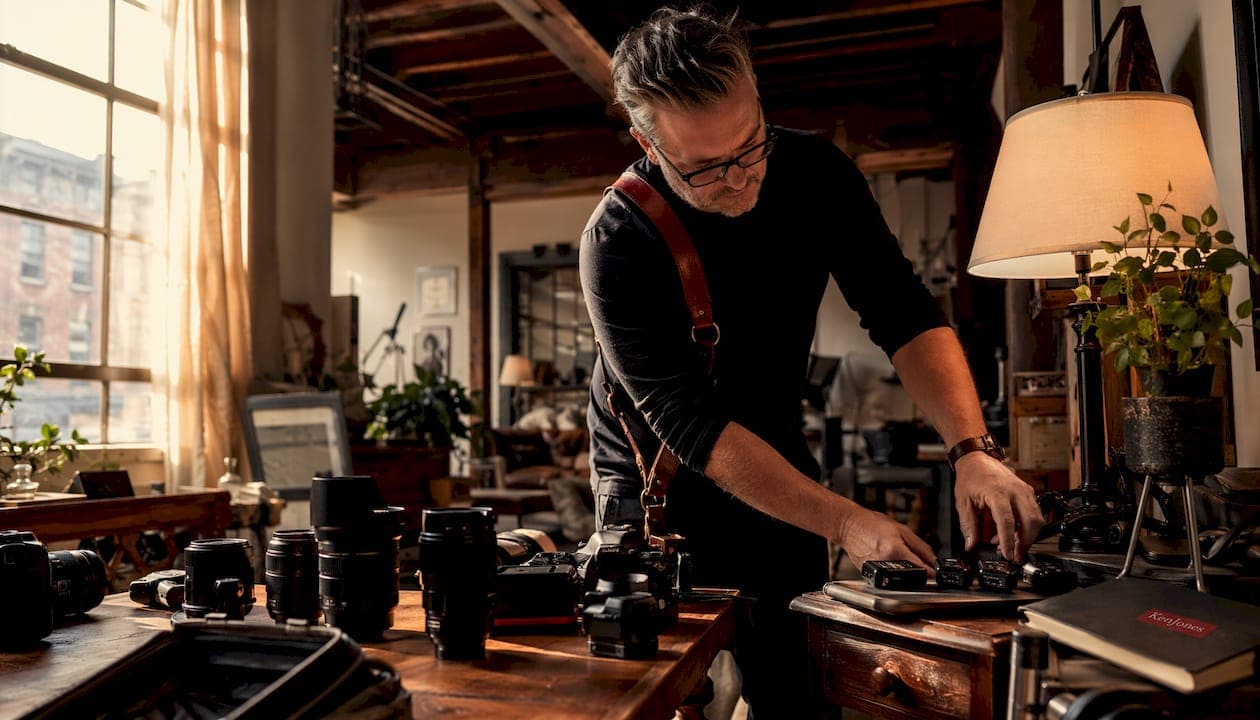
A studio rental equipment checklist is the production document that separates a smooth shoot from a costly, chaotic one. Every professional photographer and production team working in rented spaces needs a verified list covering cameras, lighting, grip, backdrops, power, logistics, and client amenities before a single light fires. At Ken Jones Photography, based in Manhattan’s Financial District, this checklist is not optional prep work. It is the foundation of every shoot the studio plans and hosts. The categories below reflect decades of real NYC production experience, covering what to bring yourself, what to rent, and what to confirm in writing before you book.
1. What are the must-have camera and capture equipment for studio rentals?
Camera gear is the one category where you should never rely on the rental studio. Bringing your own camera triggers, primary lenses, and memory cards avoids technical delays that studio gear simply cannot prevent. Rental cameras rarely match the proprietary systems photographers have calibrated to their workflow, and the difference shows up in setup time, not just image quality.
The core camera kit for any studio rental includes:
- Primary camera body and a backup body
- Your full lens kit, including a portrait prime and a zoom for flexibility
- Proprietary wireless triggers and receivers (never assume the studio has compatible ones)
- Tethering cable and a laptop loaded with your capture software
- Formatted, high-capacity memory cards with at least one spare set
- Extra batteries and a multi-slot charger
Tethering deserves special attention. Shooting tethered to a laptop lets clients and art directors review images in real time, which speeds up creative decisions and reduces reshoots. The cable connection is more reliable than wireless tethering in most studio environments, so pack a quality USB-C or USB 3.0 cable appropriate for your camera system.
Pro Tip: Pack your triggers in your personal carry bag, not the equipment cases that go into a van or freight elevator. Triggers are the most common cause of avoidable setup delays at rented studios, and losing them in transit kills your first hour.
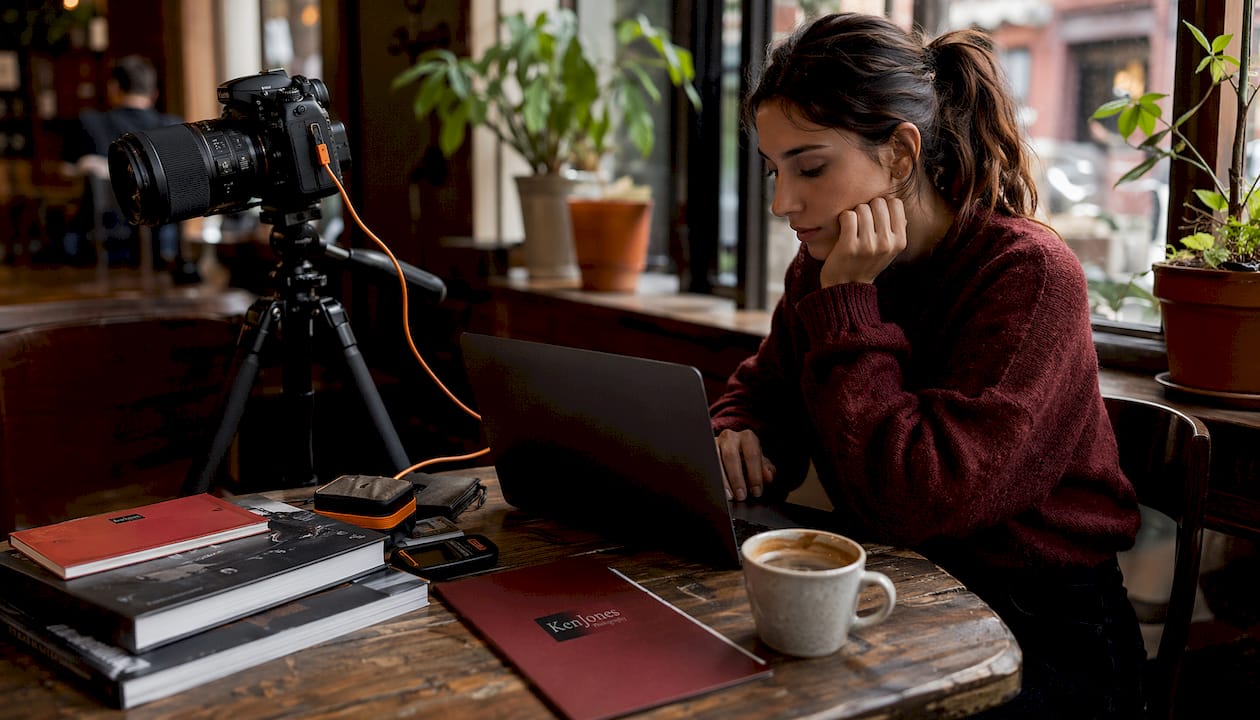
A real example from a New York City fashion shoot: a production team arrived at a Midtown rental with a full lighting kit but had packed their proprietary radio triggers in a case that got left in the car during a rushed load-in. The studio’s house triggers were incompatible with the rented strobes. Setup ran 40 minutes late before a crew member retrieved the correct triggers from the parking garage. That delay cost real money and compressed the shooting schedule.
2. How to evaluate and select lighting and grip equipment
Lighting is where most rental budgets either hold together or fall apart. The first rule is to read the studio’s gear manifest carefully, because included lighting often means basic monolights or LEDs without enough modifiers or triggers to run a full production setup. Confirm exactly what is included before you sign the booking agreement.
What studios typically provide vs. what you need to verify
Most commercial studios include some combination of strobe monolights or continuous LED panels, a few light stands, and possibly a basic softbox or two. What they rarely include in sufficient quantity: grids, beauty dishes, large octaboxes, reflectors, flags, and the specific modifiers that define your lighting style. Strobe pack rentals typically run $50–$150 per day, and modifiers run $25–$60 each, so budgeting for supplements is standard practice.
The hybrid rental approach is the most efficient strategy for most productions. Rent heavy grip gear and large modifiers from the studio to avoid hauling bulky equipment across the city. Bring your own creative light kit, including the specific strobes or LEDs you know and trust, along with your preferred modifiers. This saves physical labor and preserves creative control.
Grip gear to confirm or rent:
- C-stands (minimum 4 for a standard fashion setup)
- Sandbags (at least 8; more for tall or heavy rigs)
- Boom arms and crossbars
- Clamps, clips, and gaffer tape
- Apple boxes and rolling carts
Pro Tip: Always ask the studio for a written gear list, not a verbal summary. “We have lighting” means nothing. A line-item manifest tells you exactly what you are working with and what you need to supplement.
Power is the hidden variable in lighting decisions. Standard commercial studios provide 20-amp or 30-amp circuits supporting multiple strobes, while residential or loft-style studios often run on 15-amp circuits that limit strobe loads significantly. A single 20-amp circuit delivers 2,400 watts of baseline capacity. High-wattage lighting setups can exceed 15,000 watts, requiring dedicated circuits or generator tie-ins. Confirm circuit capacity before you finalize your lighting plan.
3. Which backdrops, sets, and environment essentials must you verify?
Backdrops define the visual context of every image, and the wrong choice or a damaged roll can derail a full shoot day. Verify the studio’s backdrop inventory before booking, and confirm the condition of any seamless paper you plan to use.
The main backdrop types available in professional studios include:
- Seamless paper: The industry standard for clean, consistent backgrounds. Common widths are 53 inches and 107 inches. Confirm the color options available and whether fresh rolls are stocked.
- Muslin: Fabric backdrops that create texture and depth. Good for portrait and lifestyle work, but require steaming to remove wrinkles.
- Vinyl: Durable and easy to clean, useful for product and e-commerce shoots where the floor sweep matters.
- Cyc walls: Curved infinity walls that eliminate the floor-to-wall seam. Not every studio has one, and those that do charge a premium. Verify the cyc condition, because cracks and scuffs show in wide shots.
Backdrop support systems vary by studio. Mounted ceiling rails are the most stable and allow quick color changes. Portable backdrop stands work but require floor space and sandbags for safety. Confirm which system the studio uses and whether it accommodates your planned shot widths.
Light control is equally important. Check whether the studio has blackout curtains or shades for windows. Natural light is an asset on some shoots and a liability on others, particularly for video work where consistent exposure matters. Also note the color of the studio walls and floor. Gray or white walls reflect light neutrally. Colored walls create unwanted color casts that require correction in post.
4. What technical and logistical considerations ensure a smooth rental?
Technical infrastructure separates a professional studio from a rented room with lights. Verify each of the following before your booking is confirmed.
- Power circuit specifications. Ask for the exact amperage of each circuit and the location of the breaker panel. A single 20-amp circuit delivers 2,400 watts; video shoots with continuous LEDs and monitors require more. Know your load before you plug in.
- Wi-Fi speed for tethering. Production teams need at least 50 Mbps for reliable tethered shooting and client review. Slower connections cause lag in capture software and frustrate art directors watching the feed.
- Soundproofing for video. HVAC noise, street traffic, and neighboring tenants are the three most common audio problems in NYC studio rentals. Ask whether the HVAC can be shut off during takes and whether the studio has acoustic treatment on the walls.
- Load-in access. Freight elevator access, door widths, and truck parking affect production schedules more than most teams anticipate. Poor load-in infrastructure wastes up to 45 minutes of rental time on average. Standard door width is 36 inches; larger equipment loads require 48 inches or more of clearance.
- Gear staging space. Confirm there is a dedicated area to stage cases, wardrobe, and props separate from the shooting floor. Cluttered sets slow everyone down.
- Parking proximity. In Lower Manhattan and Midtown, parking for a production van is never guaranteed. Ask the studio whether there is a loading zone, a nearby garage, or a dedicated parking arrangement for production vehicles.
- Studio amenities. Makeup stations, client seating, kitchenettes, and restroom access are not luxuries on a full-day shoot. Confirm their availability and condition before booking.
5. What essential client and crew comfort items complete a professional setup?
Client and crew comfort items are the category most often skipped on a first-time renter’s checklist. High-end shoots often fail due to overlooked amenity needs rather than gear alone. A model who has nowhere to change, a makeup artist working under bad light, or a client with no place to sit will affect the energy and efficiency of the entire shoot.
Verify or bring the following:
- Makeup and hair station with proper lighting. Overhead fluorescent light is not acceptable for makeup application. The station needs daylight-balanced bulbs at eye level, a large mirror, and counter space for product.
- Wardrobe area and full-length mirror. Talent needs a private space to change and check looks. A curtained corner is the minimum; a dedicated room is the standard for fashion and beauty work.
- Clothing racks and steamers. Wrinkled garments waste shooting time. Confirm whether the studio provides racks and a steamer, or add them to your bring list.
- Client seating and a monitor station. Art directors and brand clients need a comfortable place to review images. A monitor or large tablet showing the tethered feed keeps clients engaged and reduces back-and-forth.
- Refreshments and a kitchenette. On shoots running six hours or more, food and coffee are not optional. Confirm whether the studio has a kitchenette or a nearby delivery option.
- Music capability. A Bluetooth speaker or a studio sound system helps set the tone and keeps talent relaxed between setups.
Production amenities differentiate high-end studios from basic spaces and deserve as much scrutiny as the technical gear list. When you are booking a studio for a fashion editorial, a beauty campaign, or a corporate headshot day, the client experience inside that space reflects directly on your professionalism as the photographer or producer.
Pro Tip: Walk the studio in person before your shoot day if at all possible. Photos on a booking site never show the makeup station lighting, the bathroom condition, or whether the freight elevator actually fits your largest case.
For photographers building their portfolio and looking to expand their reach, resources like photography submission guides can help connect strong studio work to the publications and platforms that matter.
Key takeaways
A complete studio rental equipment checklist covers camera gear, lighting, grip, backdrops, power, logistics, and client amenities. Missing any one category creates delays, added costs, or a compromised client experience.
| Point | Details |
|---|---|
| Bring your own camera triggers | Proprietary triggers are the most common cause of avoidable setup delays at rented studios. |
| Confirm lighting gear in writing | “Included lighting” rarely means a full modifier kit; request a line-item manifest before booking. |
| Verify power circuit capacity | Commercial shoots need 20- or 30-amp circuits; 15-amp residential circuits limit strobe loads significantly. |
| Check load-in logistics early | Poor freight elevator access and parking can waste up to 45 minutes of paid rental time. |
| Treat amenities as production gear | Makeup stations, wardrobe space, and client seating directly affect shoot quality and client satisfaction. |
What I’ve learned from years of NYC studio rentals
The checklist mistakes I see most often are not about forgetting a light stand or a backdrop roll. They are about assumptions. A team assumes the studio’s “full lighting package” includes the specific modifiers they need. They assume the freight elevator fits their largest case. They assume the Wi-Fi is fast enough for tethering. Every one of those assumptions has cost someone real money on a real shoot.
The hybrid rental strategy is the approach I recommend to every production team I work with. Rent the heavy, bulky gear from the studio. Bring your own cameras, lenses, triggers, and the specific modifiers that define your look. You save your back and your budget without giving up creative control.
NYC studios present specific challenges that studios in other cities do not. Load-in access in Lower Manhattan or Midtown can be genuinely difficult, especially with a full van of production cases. Parking is expensive and often far from the entrance. Freight elevators in older buildings are slow and small. These are not complaints. They are facts that belong on your checklist.
The most memorable lesson I can share came from a beauty campaign shoot at a studio in the Garment District. The studio listed a makeup station as an included amenity. What arrived on the day was a folding table with a single overhead bulb. The makeup artist spent 20 minutes rigging a workaround with a portable ring light before we could start. That 20 minutes came out of the shooting schedule, not the studio’s clock. Verify everything in writing. Walk the space if you can. Your checklist is only as good as the confirmation behind it.
— Ken
Ken Jones Photography: a studio built around this checklist
Every item on this checklist reflects what Ken Jones Photography has built into the FultonStudio experience in Manhattan’s Financial District. The studio is designed for fashion, beauty, commercial, and video production, with dedicated 20-amp circuits, a professional makeup and hair station, wardrobe space, client seating, freight elevator access, and a full grip and lighting inventory available for rental.
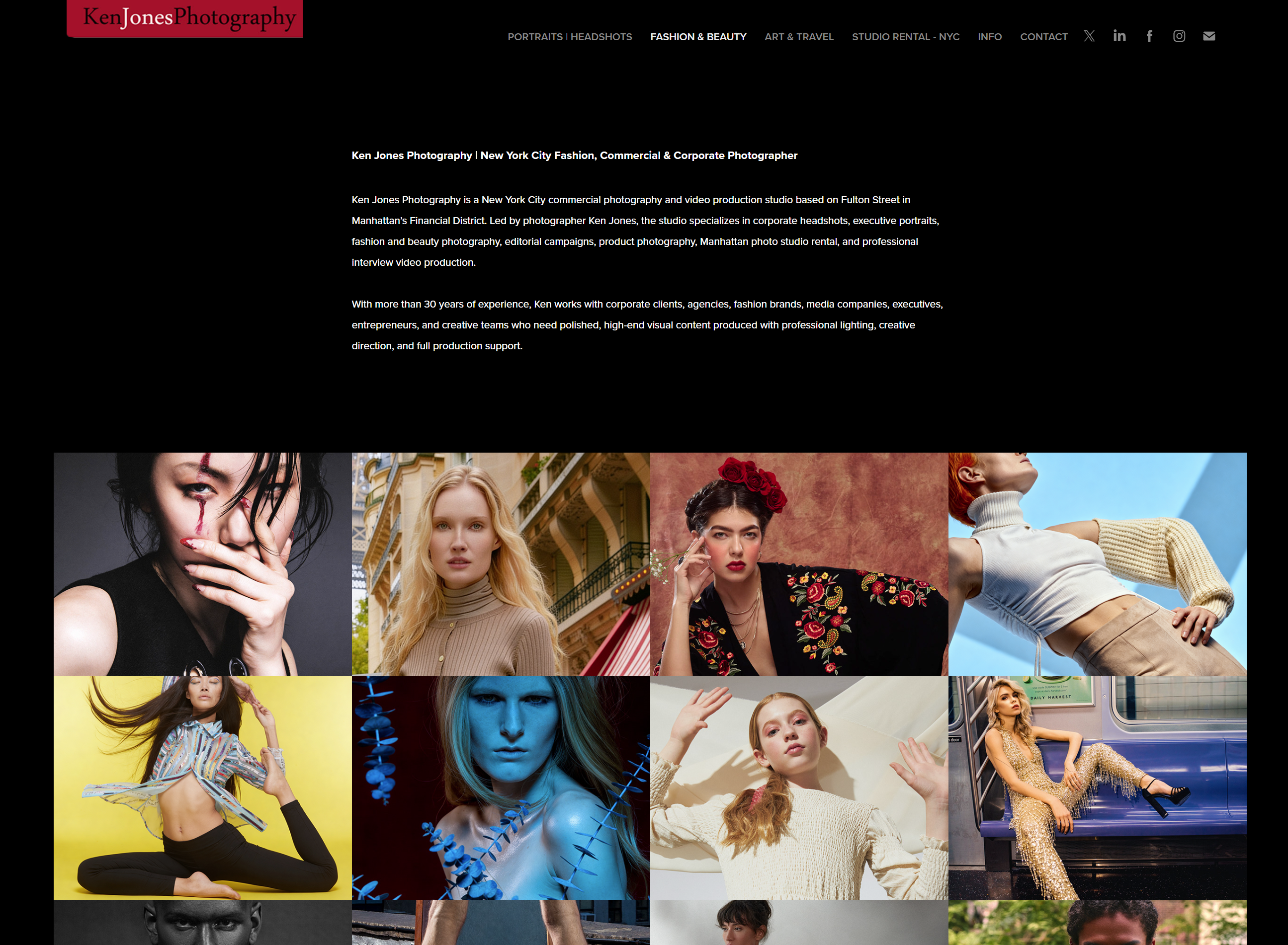
Whether you are booking a full production day or renting the space for your own team, the NYC studio rental at Ken Jones Photography is set up to meet every item on a professional checklist. Browse the studio rental portfolio to see the range of work produced in the space, from fashion editorials and beauty campaigns to corporate headshots and product photography. For teams planning their next shoot, the 2026 Manhattan studio rental guide covers pricing, booking, and what to expect. Reach out at kenjonesnyc.com to discuss your project and reserve your date.
FAQ
What should I always bring to a studio rental?
Always bring your own camera body, lenses, proprietary wireless triggers, tethering cable, and formatted memory cards. Studio gear rarely matches proprietary equipment, and missing triggers is the most common cause of avoidable setup delays.
What does “lighting included” actually mean at most studios?
It typically means basic monolights or LED panels without a full set of modifiers or compatible triggers. Request a written gear manifest before booking and plan to rent or bring the specific modifiers your shoot requires.
How much power do I need for a commercial photo or video shoot?
Commercial shoots require dedicated 20-amp or 30-amp circuits. A single 20-amp circuit delivers 2,400 watts of capacity. High-wattage setups can exceed 15,000 watts and may require generator tie-ins, so confirm circuit specs with the studio before finalizing your lighting plan.
Why does load-in access matter so much for studio rentals?
Poor freight elevator access and limited parking can waste up to 45 minutes of paid rental time before a single light is set. Verify door widths (standard is 36 inches; larger loads need 48 inches or more), elevator dimensions, and parking options before booking.
What client amenities should I verify before booking a studio?
Confirm a makeup station with daylight-balanced lighting, a private wardrobe area with a full-length mirror, clothing racks, a steamer, client seating near a monitor feed, and restroom access. These details directly affect client satisfaction and shoot efficiency.