
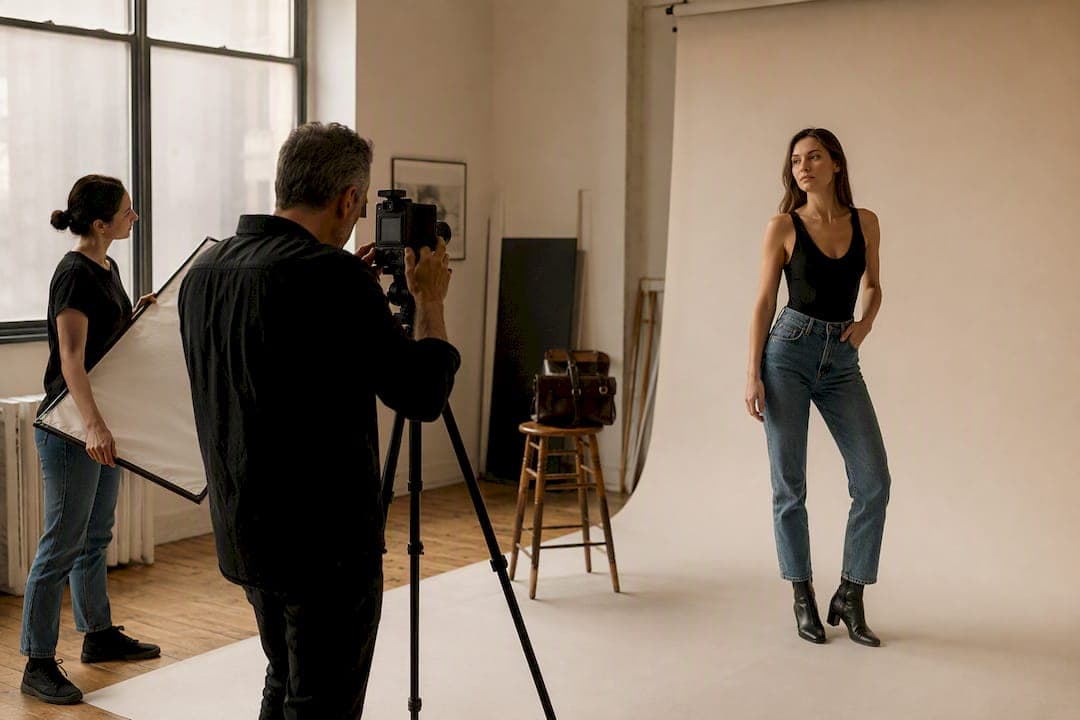
Hire a photographer who has actually shot comp cards for working models, not just headshots for LinkedIn profiles. That photographer should hand you agency-style headshots plus full-length images, spell out usage rights in writing, and deliver digital files fast, usually within a week or two. Before you book anyone, run through this:
- Portfolio check: Look for real model work, not just glamour shots.
- Package clarity: Know exactly how many edited images and what retouching is included.
- Usage rights: Get it in writing who owns the images and how you can use them.
- Proof of process: Ask to see a sample comp card or a past client’s full gallery.
- References: A photographer who’s worked with agencies should be able to point to that experience.
Studios like Ken Jones Photography, casting tools like Get Scouted, and design platforms like Canva and Printique all play different roles in getting you from raw photos to a printed or digital comp card. Knowing which one you need first saves you money.
Key Takeaways
The right comp card photographer combines documented model experience, clear deliverables, written usage rights, and a shoot structure that locks in safe images before pushing creative range.
| Point | Details |
|---|---|
| Verify model-specific experience | Ask for full session galleries, not curated highlights, before booking anyone. |
| Confirm deliverables in writing | Number of edited images, retouching scope, and usage rights should be spelled out before you pay. |
| Check agency expectations first | Many agencies want clean digitals over printed cards for initial submissions. |
| Use a shot order on set | The 20-60-20 approach secures safe images early, then leaves room for creative range. |
| Consider Ken Jones Photography | The studio offers model-focused production, styling support, and clear usage-rights handling for agency-ready comp cards. |
Table of Contents
- How Do You Choose the Right Comp Card Photographer?
- What Is a Comp Card and When Do You Actually Need One?
- What Makes a Comp Card Photo Actually Work?
- Which Photo Types Belong on Your Comp Card?
- How Do You Vet a Photographer’s Portfolio and Deliverables?
- What Should You Ask a Photographer Before Booking?
- What Should You Budget for Comp Card Photography?
- How Should You Prepare for Your Comp Card Shoot?
- What Files and Print Options Should You Expect?
- A Lesson From a Real Comp Card Shoot
- Ready to Build Comp Card Images That Actually Get Used?
- Sources
- FAQ
How Do You Choose the Right Comp Card Photographer?
A comp card photographer’s job is different from a portrait photographer’s job. You’re not paying for one beautiful image, you’re paying for a coherent set that shows an agent your range, your proportions, and your face in a way that reads instantly, even at thumbnail size.
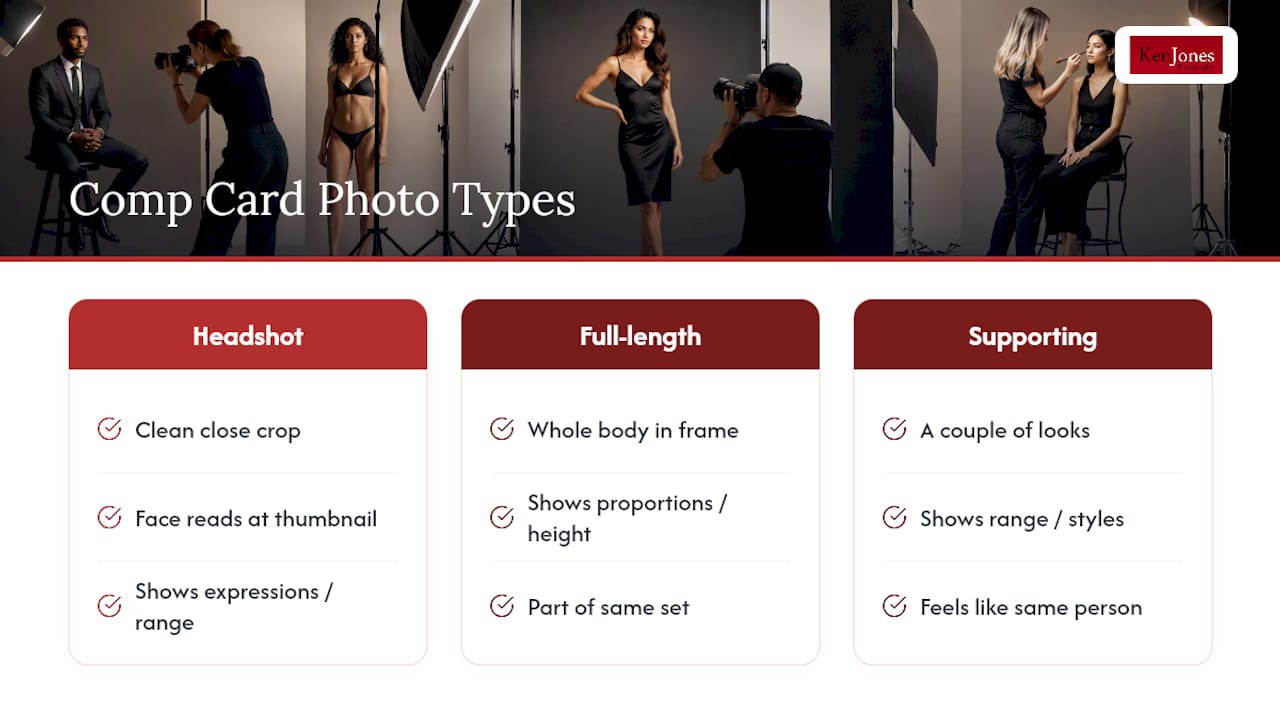
Start by asking whether the photographer has shot comp cards before, specifically, not “headshots” or “portraits” generally. The skill set overlaps but it isn’t identical. A comp card photographer needs to think in sets: one clean headshot, one full-length, and a couple of supporting looks that all feel like they belong to the same person. That takes planning before the camera comes out, not just good lighting instincts.
What Is a Comp Card and When Do You Actually Need One?
A comp card, short for composite card, is a double-sided promotional card built around a primary headshot on the front and a small group of supporting images on the back, alongside your stats and contact information. Agencies have used them for decades to hand off to casting directors and clients in a single glance.
Here’s where a lot of new models waste money: many agencies prefer you show up with clean digitals rather than a printed comp card. Once they sign you, they’ll often build your comp card using their own templates and their own preferred photographers, since agencies commonly ask new talent not to arrive with pre-made cards.
- A digital comp card or simple set of natural photos is usually enough for initial submissions.
- Save the professional printed comp card for after you’re signed, or for open calls where physical copies are still expected.
Pro Tip: Before you book a full comp-card shoot, ask any agency you’re targeting whether they want printed cards or just clean digitals. You’ll save yourself a shoot you might not need yet.
What Makes a Comp Card Photo Actually Work?
The best comp card photos share a few qualities that have nothing to do with trendy filters or dramatic lighting setups. They’re sharp, they’re color-accurate, and they show your skin tone the way it actually looks under real light, not the way a heavy preset thinks it should look.
Lighting matters more than most new models expect; understanding different editorial portrait lighting types can really elevate your comp card images. A headshot needs even, controlled lighting that doesn’t carve harsh shadows across your cheekbones. A full-length shot needs enough separation from the background that your posture and body line read clearly, even in a small print.
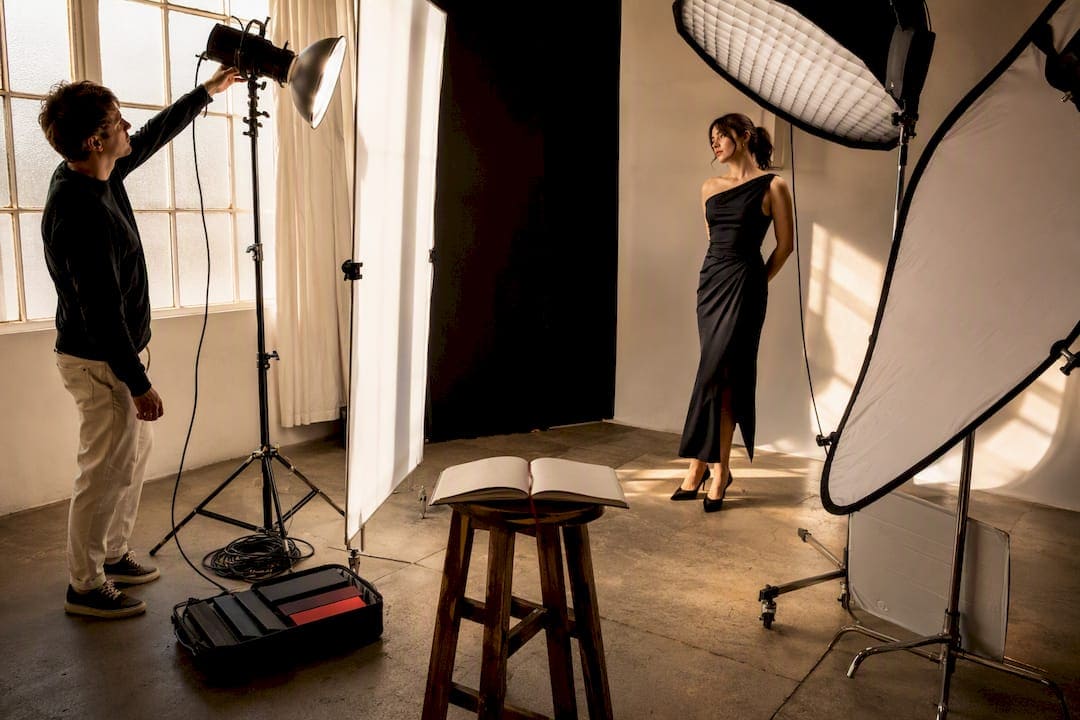
Expression is where a lot of shoots fall apart. Agencies want to see natural range, not five variations of the same forced smile. A photographer who knows this genre will direct you toward small shifts in energy rather than asking you to “look happier.”
On the technical side, look for a photographer who:
- Shoots with equipment suited to skin-tone accuracy, not just resolution
- Controls studio or natural light rather than fixing everything in post
- Delivers both high-res files and web-sized JPGs
- Can note your measurements or stats alongside image files if you need them
Which Photo Types Belong on Your Comp Card?
Every comp card needs a small, deliberate set of image types, and each one does a different job for the agent looking at it.
The headshot, usually on the front cover next to your name, needs a neutral expression and clean lighting so your bone structure reads instantly. The full-length shot shows proportion and movement, things a headshot can’t communicate at all. Beyond those two essentials, most models include one or two supporting images, a lifestyle or editorial look that hints at commercial range without muddying the read of your primary look.
A typical layout looks like this: front cover carries your best headshot and your name; the back holds three or four supporting images along with your stats and contact details. Resist the urge to cram in every good photo from the shoot. Agents skim comp cards in seconds. Clarity beats variety every time.
How Do You Vet a Photographer’s Portfolio and Deliverables?
Portfolio review comes first, and it’s where most people rush. Look specifically for consistent model work, headshots paired with full-length images from the same sessions, not just a scattered collection of pretty faces. You want to see range across different looks and skin tones, and you want retouching that looks like skin, not plastic.
Ask to see a full, unedited gallery from a past session, not just the five hero images on the photographer’s website. Anyone can cherry-pick a portfolio. A photographer confident in their consistency will show you the whole shoot.
On the deliverables side, get specifics in writing before you pay a deposit:
- Number of final edited images included in the package
- Exact scope of retouching (skin smoothing, color correction, background cleanup)
- File formats and resolutions for both print and digital use
- Turnaround time from shoot day to delivered files
- Who owns usage rights, and what you’re allowed to do with the images
- Cancellation and reshoot policy if weather, illness, or scheduling falls apart
Operationally, watch how the photographer runs their business before the camera ever comes out. A clear booking process, itemized pricing, and professional email communication tell you more about what shoot day will feel like than any single portfolio image.
Pro Tip: If a photographer can’t answer “how many edited images do I get” in one clear sentence, that’s a preview of how the whole shoot will go. Vague answers before booking usually mean vague deliverables after.
What Should You Ask a Photographer Before Booking?
Run a short interview before you commit money to anyone. Ask directly: Have you shot comp cards before? What’s included in this package, exactly? How many edited images, and what retouching comes with them? Who owns the usage rights to these photos once I pay? Can I see a complete gallery from a session similar to what I’m booking? A detailed pre-booking checklist built around these exact questions is worth running through line by line.
Red flags show up fast if you’re paying attention. Vague or evasive answers about who owns the images. Refusal to show a full session gallery, only curated highlights. Pressure to shoot concepts you haven’t agreed to. Booking that happens exclusively through direct messages, with no website, no contract, and no paper trail. Anyone promising guaranteed agency placement is selling something no legitimate photographer can deliver.
If you’re under 18, bring a guardian to every shoot, no exceptions. Get location, time, and delivery details confirmed in writing before you show up.
What Should You Budget for Comp Card Photography?
Pricing spans a wide range, and the number depends heavily on what you actually need. Printing-only services for an already-designed comp card can run around $100 for a basic run. A full professional session, shoot plus editing plus a finished agency-ready image set, costs considerably more, and pricing varies by market and by how many looks you’re covering.
What drives the price up: total shoot time, number of distinct looks, whether you’re renting a studio, hair and makeup support, how deep the retouching goes, and how many final files you need delivered.
If a full package isn’t in the budget yet, legitimate alternatives exist. Trade-for-print shoots let newer models build a portfolio in exchange for usage rights, though you still need to vet the photographer and set expectations clearly before you shoot. For the design and printing side, tools like Canva and Printique let you lay out and print your own comp card once you have usable images, and a run of 100 physical cards is a reasonable starting point for most beginners.
How Should You Prepare for Your Comp Card Shoot?
Bring three to six looks that match your target market: clean basics, one statement piece, and one lifestyle option. Neutral shoes, minimal jewelry, and pressed garments matter more than people expect, wrinkles show up brutally under studio lighting.
Keep makeup natural and agency-clean for your headshot. Save anything heavier or more editorial for one or two supporting images only, not the whole set.
A useful shot order borrows from the 20-60-20 workflow that National Geographic photographer Paul Nicklen developed for wildlife work, and it translates surprisingly well to a studio session:
- First 20% of the shoot: lock in a safe, clean headshot and a reliable full-length shot.
- Middle 60%: explore your range across different looks, expressions, and lighting setups.
- Final 20%: push into editorial or experimental shots that might not work, but could be your standout image.
Hand this sequence to any photographer you book. It gives structure to a session that can otherwise drift.
What Files and Print Options Should You Expect?
Expect high-resolution edited files, 300 DPI TIFF or high-res JPG, plus web-sized JPGs for online submissions. Files should be labeled clearly, ideally with your measurements attached if you’re sending them to agencies.
For physical cards, double-sided layouts in A5 or 8.5×5.5 are standard, and print runs of 100 to 250 cards cover most new models’ early needs. Stick with reputable printers like Printique rather than unknown low-cost vendors. Use digital files for agency submissions and reserve printed cards for open calls and in-person casting.
A Lesson From a Real Comp Card Shoot
I’ve had models show up with six wardrobe changes and no plan, expecting the shoot to sort itself out. It never does. One session, a model burned forty minutes deciding on outfit order while the crew stood idle, and we ended up rushing the full-length shot that mattered most.
Since then, I insist on a shot order before anyone touches hair and makeup. Lock the safe headshot and full-length first, then explore. It’s the same logic behind the photographer’s role in shaping a model’s early portfolio, structure protects the images you actually need.
Ready to Build Comp Card Images That Actually Get Used?
Most of the checklist above comes down to one thing: hiring someone who has run this exact type of shoot before, not someone learning on your dime. Ken Jones Photography has produced fashion and beauty work for models and agencies out of a Financial District studio, with the same production discipline, clean lighting, styling support, and retouching workflow, that a comp card session demands.
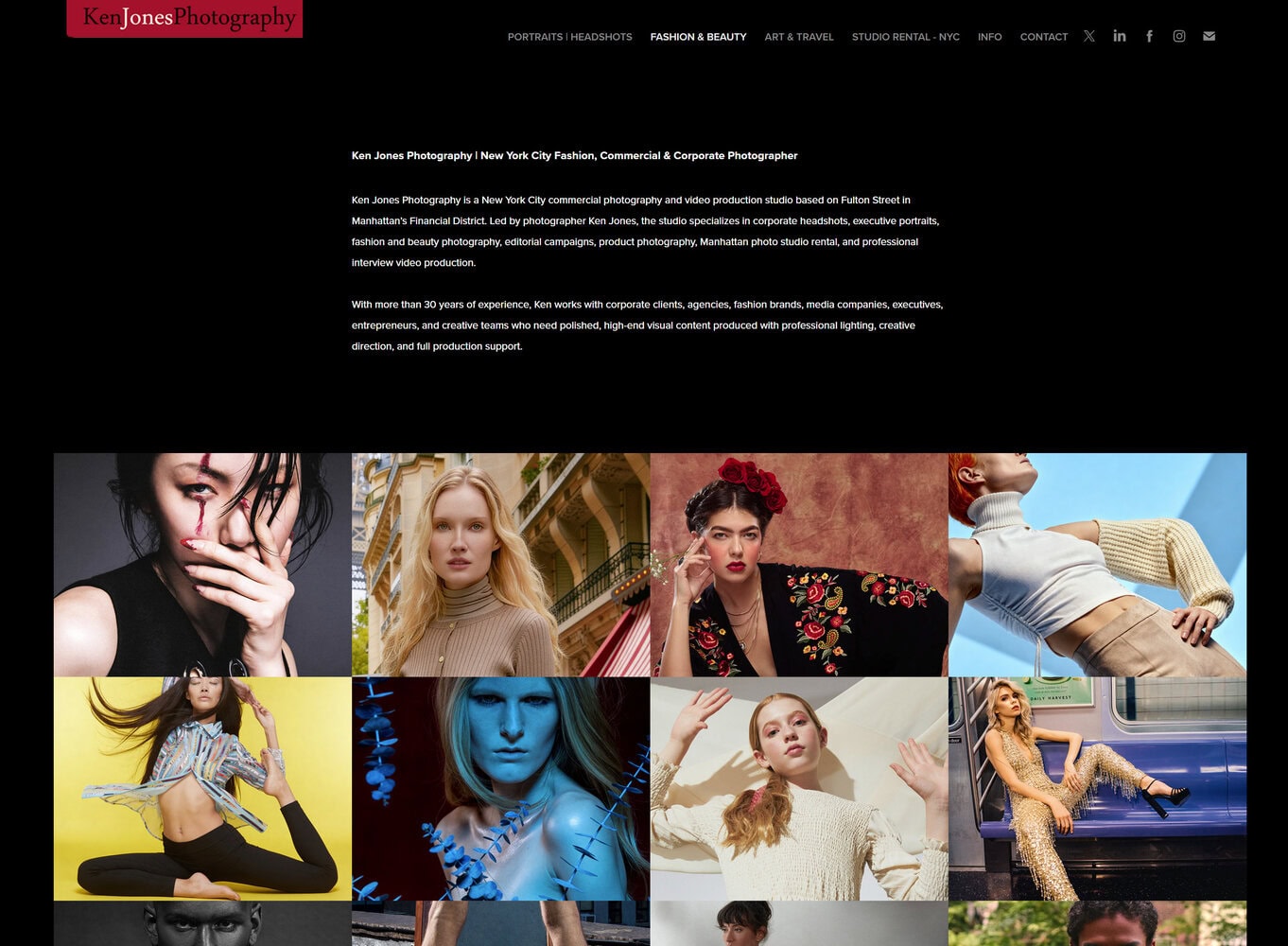
If you want to see the range before you book, browse the fashion editorial portfolio or the natural light gallery for examples closer to agency-style digitals. Usage rights, retouching scope, and file delivery are laid out clearly before you ever step in front of the camera. Reach out through Kenjonesnyc to check availability and get a quote for your next shoot.
Sources
- How legendary National Geographic photographer Paul Nicklen uses his ‘20-60-20 rule’ to get impossible shots | Digital Camera World
- What is a comp card | Get Scouted
- How to make your comp cards stand out | Backstage
- Building composite cards for models | Format
- 20 questions to ask to find a model photographer today | KVPhoto
FAQ
What Is the 20-60-20 Rule in Photography?
What Should a Comp Card Include?
A front cover with your best headshot and name, plus a back panel with three or four supporting images, your stats, and contact information.
What Are Some Red Flags When Hiring a Photographer?
Vague answers about usage rights, refusal to show a full session gallery, booking only through DMs with no contract, and promises of guaranteed agency placement are all signs to walk away.
What Is a Reasonable Price for a Photographer?
Printing-only comp card services can run around $100, while a full professional shoot with editing costs more depending on shoot length, looks covered, and market, so get an itemized quote before booking.