

TL;DR:
- High fashion modeling involves representing luxury designers through runway, editorial, and campaign work as living artistic forms. It requires models to have striking, adaptable looks, strong runway skills, and resilience, often starting with unpaid work. Success depends on building a versatile portfolio, signing with reputable agencies, and actively pursuing industry opportunities.
High fashion modeling is the professional practice of representing luxury designers and editorial brands through runway presentations, high-end magazine spreads, and exclusive advertising campaigns. Unlike commercial modeling, which prioritizes mass-market relatability, high fashion modeling demands artistic expression, physical specificity, and the ability to embody a designer’s conceptual vision. The industry centers on fashion capitals like New York City, Paris, Milan, and London, where houses such as Chanel, Alexander McQueen, and Balenciaga set the standard. Publications like Vogue, W Magazine, and Harper’s Bazaar define what high fashion imagery looks like. If you are an aspiring model or fashion student trying to understand this world, this guide gives you the full picture.
What is high fashion modeling and how is it defined?
High fashion modeling is the art of presenting luxury, avant-garde clothing and accessories as living sculpture rather than simply wearing clothes. High fashion designers often use specialized materials and expect models to embody sculptural, conceptual ideas rather than traditional apparel. The model becomes a dynamic form through which a designer communicates a creative vision. That distinction separates high fashion from every other category in the industry.
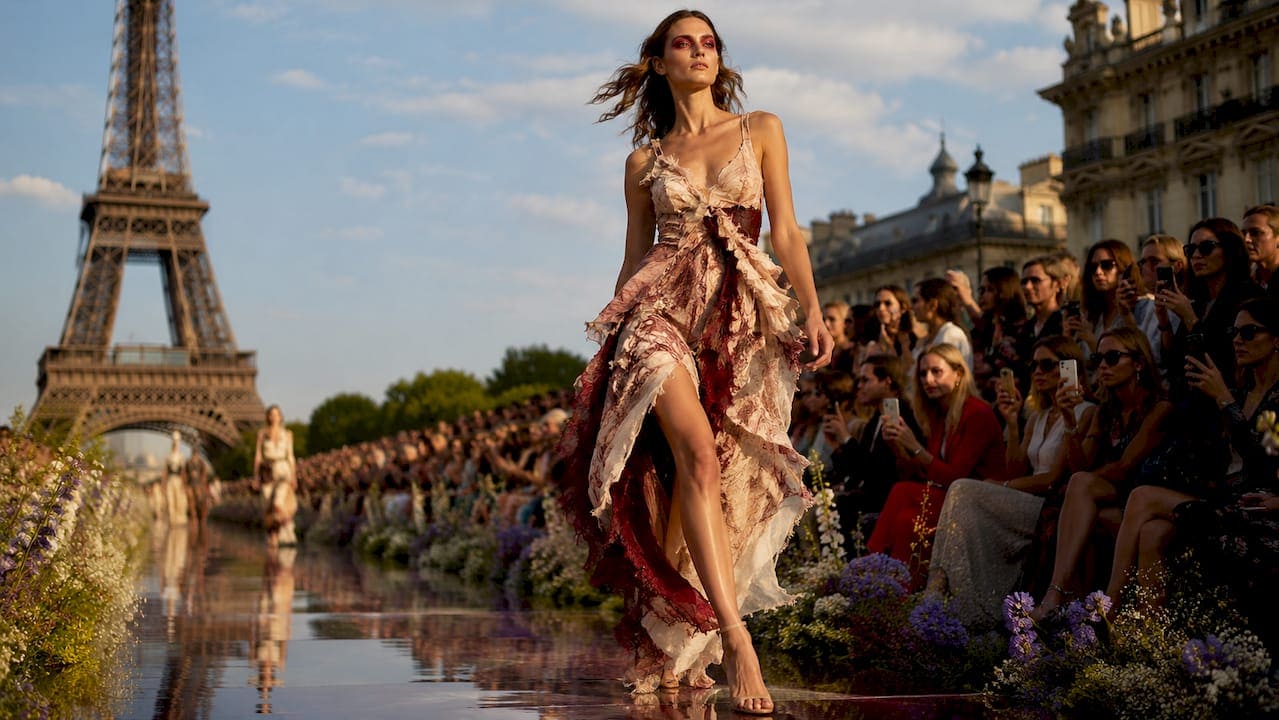
The industry term most professionals use is “editorial modeling” or “haute couture modeling,” though “high fashion modeling” is the phrase most aspiring models search for and recognize. Both terms describe the same work: appearing in runway shows for designers like Givenchy or Valentino, shooting editorial spreads for publications like Vogue Italia, and fronting campaigns for luxury houses. High fashion is often viewed as wearable sculpture, with models acting as dynamic, living forms to convey a designer’s creative vision. That framing explains why agencies and casting directors prioritize striking, unconventional looks over conventional prettiness.
The work happens across four primary contexts: runway shows during Fashion Weeks in New York, Paris, Milan, and London; editorial shoots for print and digital magazines; lookbook and campaign photography for luxury brands; and fine art or conceptual projects. Each context demands a slightly different skill set, but all share the same core requirement. The model must serve the concept, not the other way around.
What are the physical and skill requirements for high fashion models?
Physical standards in high fashion remain strict. Female models typically stand 5’9″ to 6’0″ tall, wear a size 0–4, and fall between ages 15 and 25. Male models generally measure 6’0″ to 6’2″ with a lean build, entering the industry between ages 18 and 27. These measurements exist because sample garments are constructed to specific dimensions, and runway presentation requires a consistent silhouette across all models in a show.
Beyond height and build, agencies look for faces that are striking and adaptable rather than conventionally attractive. A strong bone structure, an unusual feature, or a memorable quality that reads well on camera all carry more weight than symmetrical prettiness. Naomi Campbell, Iman, and Tilda Swinton each built legendary careers on looks that defied the standard beauty template of their era. The industry consistently rewards the unexpected.
The skills required go well beyond physical appearance. Runway walking demands posture, timing, and the ability to project confidence under intense pressure. Posing for editorial photography requires extreme physical adaptability to convey multiple looks and emotions rapidly. A model who can shift from ethereal softness to fierce intensity within a single shoot is far more valuable than one who photographs beautifully in a single mood.
Mental resilience is non-negotiable. Castings involve repeated rejection, often with no explanation. Long shoot days, early call times, and last-minute changes are standard. Professionalism under those conditions is what separates working models from those who burn out quickly.
- Height: Women 5’9″–6’0″, men 6’0″–6’2″
- Build: Slim, proportional, consistent with sample sizing
- Face: Striking, adaptable, and memorable rather than conventionally pretty
- Runway skills: Strong walk, posture, timing, and stage presence
- Expressive range: Ability to shift mood and energy rapidly on set
- Mental resilience: Professionalism under rejection and physical demands
Pro Tip: Agencies and casting directors consistently say that versatility in physical expression is a prerequisite for high fashion success. Practice shifting your energy from soft and ethereal to strong and fierce in front of a mirror. That range, not a single perfect look, is what books jobs.
How does high fashion modeling differ from commercial modeling?
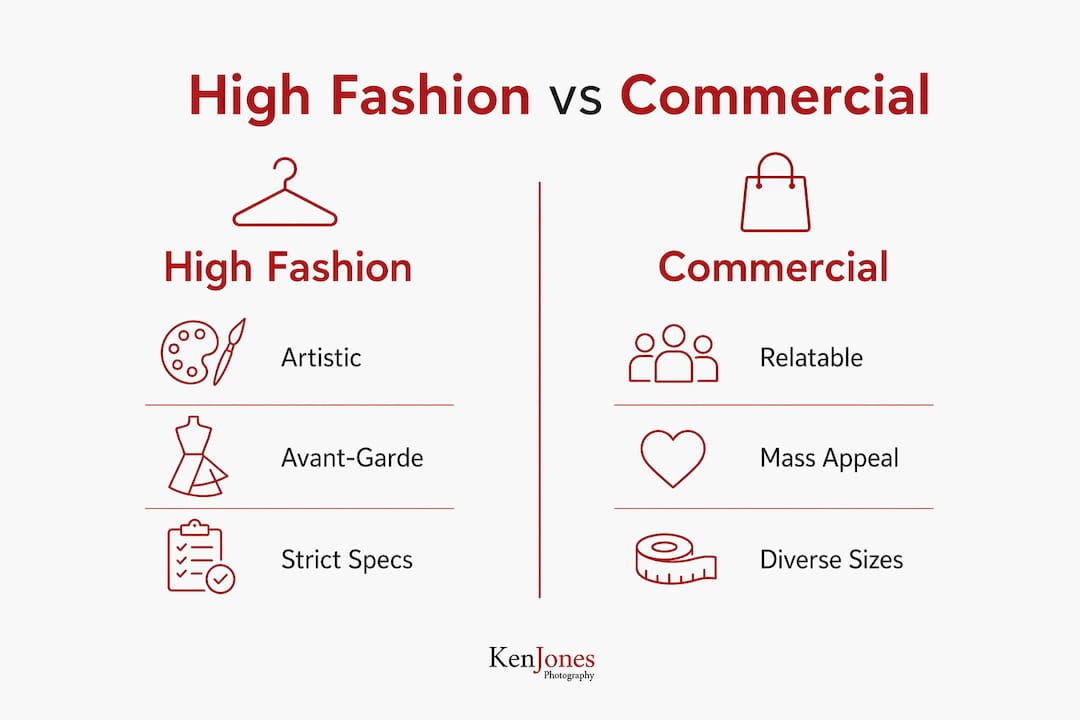
High fashion focuses on artistic, conceptual storytelling rather than mass-market appeal. That single distinction drives nearly every other difference between the two categories. Commercial modeling sells products to broad audiences. High fashion sells a vision to a specific, luxury-oriented market.
The physical type preferences differ significantly. Commercial clients want relatable, approachable looks that connect with everyday consumers. High fashion clients want distinctive, editorial looks that project exclusivity and artistic authority. A model who books national retail campaigns may never work a runway show, and vice versa. The two worlds occasionally overlap, but they operate by different rules.
Pay scales also diverge sharply. Commercial work tends to offer steadier income, usage fees, and repeat bookings. High fashion work can pay nothing for an early editorial shoot or exceed $50,000 for a top runway show at a major fashion week. The prestige of high fashion work, however, opens doors that commercial work cannot. A Vogue cover or a Chanel runway credit carries career weight that a catalog shoot simply does not.
Many working models build sustainable careers by crossing between both categories. A model who shoots editorials for Vogue Italia and also books commercial campaigns for a beauty brand earns both the credibility of high fashion and the financial stability of commercial work. Longevity and income can be maximized by balancing artistry with commercial viability.
| Category | High Fashion | Commercial |
|---|---|---|
| Primary purpose | Artistic and conceptual storytelling | Product sales and mass-market appeal |
| Physical type | Striking, unconventional, editorial | Relatable, approachable, diverse |
| Work settings | Runway, editorial, luxury campaigns | Catalogs, retail ads, TV commercials |
| Pay structure | $0 for tearsheets to $50,000+ per show | Steadier income with usage fees |
| Career exposure | Vogue, Chanel, Fashion Week | National retail brands, consumer goods |
What steps should aspiring models take to break into high fashion?
Breaking into high fashion modeling requires an active, disciplined strategy. Aspiring models often underestimate the discipline and active pursuit required. Passive waiting does not work in this industry. The models who succeed are the ones who treat their career like a business from day one.
-
Build a strong editorial portfolio. Your book needs tearsheets and test shots that demonstrate range, not just beauty. Work with photographers who understand editorial lighting and composition. A fashion editorial shoot requires planning, creative direction, and a clear visual concept. Early portfolio work sets the tone for every agency meeting and casting that follows.
-
Sign with a reputable modeling agency. High fashion modeling agencies like IMG Models, Ford Models, and The Society Management specialize in placing models with luxury clients and editorial publications. Research agencies that represent the type of work you want to do. Submit your materials according to their specific guidelines and follow up professionally.
-
Use social media with intention. Instagram and TikTok serve as primary scouting tools for agencies evaluating new talent. Agencies look for unedited, natural content that shows your true look and personality. Post consistently, keep your feed clean and editorial in feel, and avoid heavy filters that obscure your natural features.
-
Attend castings and fashion events. NYC’s Fashion Week season, showroom castings, and industry events are direct access points to designers, photographers, and casting directors. Show up prepared, on time, and professionally presented. Every casting is a networking opportunity, even when you do not book the job.
-
Practice your runway walk and posing consistently. Record yourself walking and posing. Study the work of models like Karlie Kloss and Adut Akech to understand how top professionals carry themselves. The difference between a model who books and one who does not is often visible in the first ten seconds of a casting.
Pro Tip: Practice the full range of expression, from subtle and understated to dramatically fierce. Casting directors for editorial work specifically look for models who can convey a complex mood with minimal direction. That skill is learned through repetition, not talent alone.
A common mistake is treating rejection as a signal to stop. Rejection is the standard operating condition of this career. Successful high fashion modeling requires networking, consistent physical practice, and resilience against rejection. The models who build lasting careers are the ones who stay in the room long enough for the right opportunity to arrive.
What are the career realities and challenges of high fashion modeling?
High fashion modeling is one of the most competitive careers in the creative industries. The number of aspiring models far exceeds the number of working spots at any given time. Understanding the real economics and demands of the career helps you plan more effectively.
Early career work is often unpaid. Models work unpaid early shoots to build the portfolio assets that agencies and clients require before booking paid work. These tearsheet shoots are not exploitation. They are an industry standard for proving marketability. Every working model has a stack of early unpaid credits that made the paid work possible.
Pay at the top end is significant. High fashion modeling pays up to $50,000+ for top runway shows in major fashion capitals. That figure reflects the prestige and commercial value of events like Paris Fashion Week or the Met Gala. Most models, however, work well below that level for the majority of their careers. The path from tearsheets to top-tier runway requires years of consistent work and relationship building.
The role of professional photographers in career development is larger than most aspiring models realize. A strong set of images from a skilled photographer can change the trajectory of a career. Understanding how a fashion photography shoot works gives you a real advantage on set. Models who understand production, communicate well with creative teams, and arrive prepared consistently get called back.
“The models I’ve seen build real careers in NYC are the ones who treat every shoot, paid or not, as a professional engagement. They show up prepared, they take direction well, and they bring something to the set that wasn’t there before they arrived.”
Social media has added a new dimension to career sustainability. Models who build genuine audiences on Instagram and TikTok create leverage that extends beyond agency representation. A strong digital presence attracts direct brand inquiries, ambassador opportunities, and editorial interest that would otherwise require years of traditional networking to generate.
- Expect unpaid tearsheet work early in your career. It is necessary, not optional.
- Rejection is frequent and rarely personal. Develop a system for processing it and moving forward.
- Runway and editorial credits build the credibility that opens campaign and ambassador doors.
- Professional relationships with photographers, stylists, and casting directors are career assets.
- Crossing between high fashion and commercial work creates financial stability without sacrificing artistic credibility.
Key takeaways
High fashion modeling demands physical specificity, expressive versatility, and active career management across runway, editorial, and campaign work in major fashion capitals.
| Point | Details |
|---|---|
| High fashion definition | Models represent luxury designers through runway, editorial, and campaign work as living artistic forms. |
| Physical requirements | Women stand 5’9″–6’0″, men 6’0″–6’2″, with striking and adaptable looks over conventional beauty. |
| High fashion vs. commercial | High fashion prioritizes artistic storytelling; commercial modeling targets mass-market product sales. |
| Breaking into the industry | Build an editorial portfolio, sign with a reputable agency, and maintain an active social media presence. |
| Career realities | Early work is often unpaid; top runway shows pay $50,000+; longevity requires crossing into commercial work. |
What 30 years behind the camera taught me about high fashion models
The models who genuinely succeed in high fashion are rarely the ones who walk in with the most conventional beauty. I have photographed models in Manhattan studios, on rooftops in the Financial District, and on location in some of the most demanding production environments you can imagine. The ones who build real careers share one quality: they are present on set in a way that goes beyond physical appearance.
The biggest mistake I see from aspiring models is treating a test shoot as a formality. They show up, hit a few poses they practiced at home, and wait to be directed. The models who stand out arrive with an understanding of the concept, ask one or two sharp questions about the creative direction, and then commit fully to the work. That level of engagement is visible in every frame. Understanding the photographer’s role in model development helps models show up as genuine collaborators rather than passive subjects.
High fashion standards are evolving. The rigid physical templates of the 1990s have loosened, and agencies now sign models with a wider range of looks, backgrounds, and body types than at any point in the industry’s history. That shift is real and meaningful. But the core demands have not changed. Resilience, professionalism, expressive range, and the ability to serve a creative vision remain the non-negotiable requirements of the work. No amount of social media following replaces those fundamentals on a real set.
My honest advice to anyone serious about this career: invest in your portfolio before you invest in anything else. A strong set of editorial images, shot by a photographer who understands fashion lighting and composition, will open more doors than any other single action you can take. The portfolio is your first conversation with every agency, casting director, and client you will ever meet.
— Ken
Build your high fashion portfolio in NYC
Aspiring models need images that communicate editorial range, not just a pretty face. Kenjonesnyc, based in Manhattan’s Financial District, has spent over 30 years producing the kind of fashion imagery that agencies and casting directors take seriously.
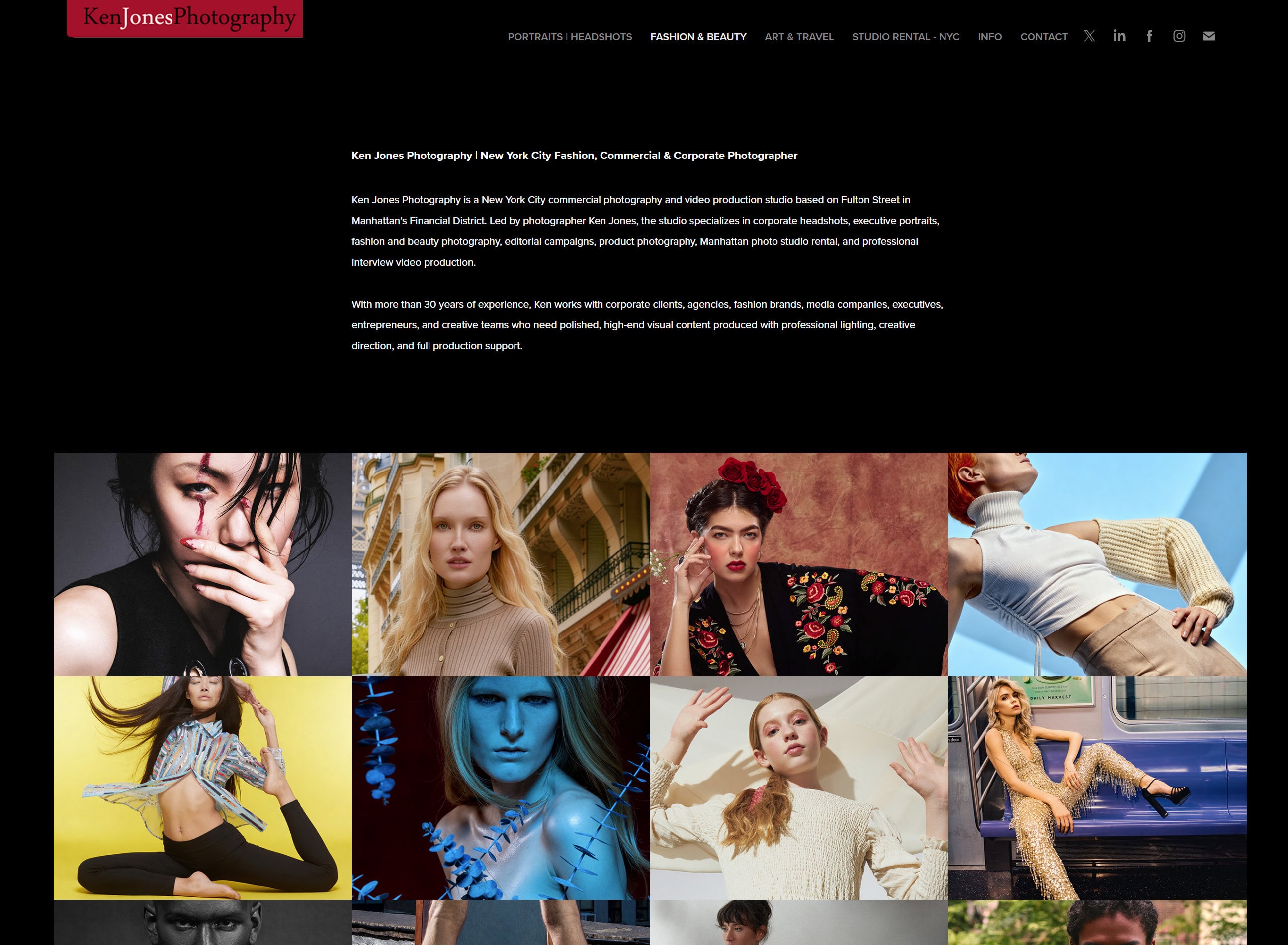
The studio’s luxury fashion editorial work shows exactly what a strong portfolio image looks like at the high fashion level. From conceptual studio lighting to rooftop location work, the production capabilities cover the full range of editorial and campaign photography. If you are building your book or preparing for agency submissions, professional imagery from a studio with real fashion credentials makes a measurable difference. Reach out at kenjonesnyc.com to discuss your project.
FAQ
What is the high fashion definition in modeling?
High fashion modeling is the professional representation of luxury and avant-garde designers through runway shows, editorial magazine spreads, and exclusive campaigns. It prioritizes artistic expression and conceptual storytelling over mass-market commercial appeal.
What are the height requirements for high fashion models?
Female high fashion models typically stand 5’9″ to 6’0″ tall, while male models measure 6’0″ to 6’2″. These standards exist because sample garments are built to specific dimensions for runway presentation.
How do I get into high fashion modeling with no experience?
Build an editorial portfolio through test shoots with experienced photographers, submit to reputable modeling agencies that specialize in high fashion, and maintain a clean, natural social media presence on Instagram and TikTok. Agencies actively scout new talent through unedited online content.
What is the difference between high fashion and commercial modeling?
High fashion modeling focuses on artistic, conceptual storytelling for luxury brands, while commercial modeling targets mass-market product sales with more relatable physical types. Pay structures also differ: commercial work offers steadier income, while high fashion ranges from unpaid tearsheet shoots to $50,000+ per runway show.
Do high fashion models get paid for every shoot?
Early career models frequently work unpaid tearsheet shoots to build the portfolio assets required for paid bookings. Top runway shows in major fashion capitals pay significantly, but most working models spend years building credits before reaching that level.