
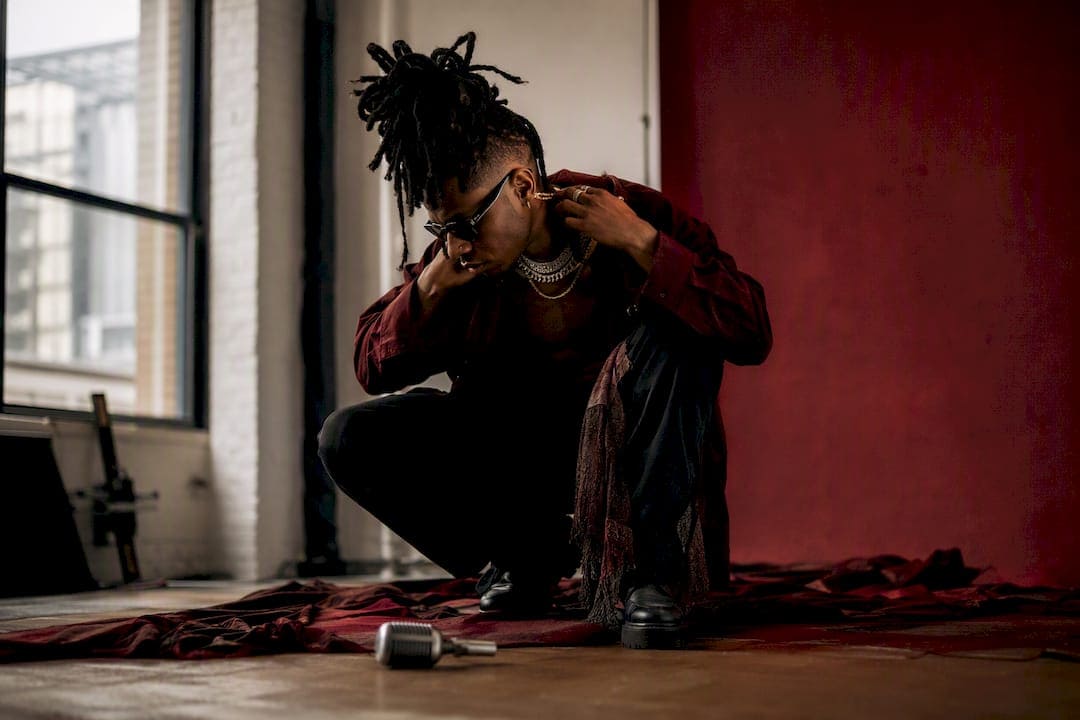
The fastest way to lock a memorable artist look is a three-part system: define your identity, choose a repeatable visual lane, and produce an asset pack that survives an entire promo cycle. Skip any one of those steps and you end up with a folder of pretty photos that don’t add up to a brand. Spotify for Artists puts it plainly: your visuals should feel like your music, not a separate fashion statement bolted onto it. Statista’s genre-preference data backs that up. Do this today: pick one hero-image direction and one signature color, and build everything else around them.
- Identity: what your sound says about you visually
- Visual lane: the one repeatable look you commit to for a cycle
- Asset pack: hero image, crops, verticals, and clips ready for every platform
Pro Tip: Before you book a photographer, write your identity statement in one sentence. If you can’t describe your look in a sentence, the camera won’t fix that for you.
Key Takeaways
A repeatable visual system built on identity, one committed visual lane, and a complete asset pack outperforms one-off pretty photos every time.
| Point | Details |
|---|---|
| Start with the music | Match visual tone and mood to your sonic character before choosing wardrobe or location. |
| Commit to one visual lane | Pick one color, silhouette, and grooming direction per release cycle to build recognition. |
| Shoot a full asset pack | Capture horizontal, square, and vertical crops plus detail shots in a single session. |
| Brief collaborators tightly | Give stylists and photographers a one-page brief with non-negotiables to avoid scope creep. |
| Ken Jones Photography as a production partner | Full-service studio support in Manhattan builds consistent hero images, crops, and video in one coordinated shoot. |
Table of Contents
- Creative Styling Concepts Music Artists Should Start With
- How Do You Choose a Repeatable Visual Lane?
- What Belongs in a Full Promo Shoot Checklist?
- How Do You Brief a Stylist or Photographer?
- Low-Budget Styling That Still Reads Professional
- A Real NYC Studio Lesson on Artist Styling
- Keeping Your Look Consistent Across Every Platform
- Incorporating Current Fashion and Cultural Trends Into Artist Styling
- Styling for Different Music Genres and Audiences
- Seasonal and Event-Based Styling Strategies
- Long-Term Branding vs. Evolving Style Approaches
- Balancing Artist Personality With Marketable Image
- Author perspective: what actually holds up over years
- How a Full-Service Studio Removes the Guesswork
- Sources
- FAQ
Creative Styling Concepts Music Artists Should Start With
Every strong artist image starts with the songs, not the wardrobe rack. A brooding, bass-heavy R&B record calls for shadow, texture, and restraint. A high-energy pop single wants color, motion, and open expressions. Match the visual temperature to the sonic character before you think about clothes.
Your fan profile matters just as much as your genre. Different audience segments interpret visual cues in unique ways depending on demographics and platform habits. Ask yourself what a fan scrolling past your photo in half a second needs to understand instantly: genre, mood, and whether you’re worth a second look.
Three exercises help here. First, describe your sound in five adjectives, then translate each into a visual choice (lighting, color, wardrobe texture). Second, pull three reference images that feel right and three that feel wrong. Third, write one sentence your whole team can repeat back correctly.
- Match visual tone to your sonic character, not to trends alone
- Define your fan profile in concrete terms: age, platform habits, aesthetic preferences
- Write a one-sentence identity statement your photographer and stylist can work from
Pro Tip: Pick one anchor element, whether it’s a color, a silhouette, or a prop, and never drop it. That single anchor is what makes fans recognize you before they even see your name.
How Do You Choose a Repeatable Visual Lane?
A visual lane is the aesthetic direction committed to for a typical release cycle lasting several months. It’s the difference between an artist fans recognize instantly and one who looks like five different people across five photos. Committing to one lane improves placement across playlist covers, press outlets, and social feeds because editors and curators can identify you at a glance.
The most common mistake is swapping palettes or moods mid-cycle because a new photo “felt cool.” That instinct kills recognizability faster than almost anything else in artist branding.
Do:
- Pick one dominant color family and stick with it across singles
- Choose one hair or grooming direction for the cycle
- Select one lighting approach (hard shadow, soft daylight, neon) and repeat it
Don’t:
- Mix moody noir one week and bright pastel the next
- Let every collaborator introduce their own styling preference
- Change your signature prop or accessory between singles
Signature elements can be small: one recurring accessory, one specific eyewear style, one consistent lip color. NotNoise’s branding analysis makes the case that recognizability beats isolated polish nearly every time.
What Belongs in a Full Promo Shoot Checklist?
A promo cycle needs a specific set of deliverables, not just “some cool shots.” Magnetic Magazine’s shoot guide recommends a full asset set that covers press, streaming profiles, and social simultaneously, since your images will land in places you don’t control and can’t always predict.
The minimum pack: one hero image, four to six supporting images, two to three vertical crops for Reels and Stories, one short behind-the-scenes clip, and a couple of detail shots (hands, texture, wardrobe close-ups).
| Deliverable | Purpose |
|---|---|
| Hero image | Primary press and streaming profile shot |
| Supporting images | Backup options for editors and playlist placements |
| Vertical crops | Reels, Stories, TikTok |
| Square crops | Instagram grid, Spotify Canvas |
| Detail shots | Texture, wardrobe, and mood for social rotation |
Platforms crop differently, so shoot with headroom. A tight horizontal frame becomes useless the moment someone needs a vertical crop. Grooming and wardrobe deserve real attention here: loose threads, uneven stubble, and wrinkled collars read fine in person but scream at you on a 27-inch retouching monitor.
Keep files organized with a simple structure: ArtistName_ReleaseTitle_Year/Hero, /Verticals, /Social, /RAW. That structure alone has saved more publicists a headache than any styling decision.
- Shoot horizontal, square, and vertical in every setup
- Check grooming between every lighting change, not just once at the start
- Name and folder your files before the shoot ends, not after
Pro Tip: Keep your lighting setup consistent shot to shot. If the key light moves an inch between frames, your retoucher will spend hours matching skin tone across images that were supposed to feel like one cohesive set.
How Do You Brief a Stylist or Photographer?
Keep it short: state the objective, describe your reference lane, list the essential assets you need delivered, and spell out your non-negotiables (no exposed logos, no specific colors, no over-processed skin retouching).
When vetting a stylist, makeup artist, or photographer, ask direct questions. What’s your typical turnaround for final files? Who handles wardrobe steaming and fitting on shoot day? Can you show a full delivered set from a past artist client, not just a highlight reel?
Watch for warning signs. Scope creep shows up when a stylist keeps adding “just one more look” without discussing time or budget. Inconsistent editing shows up when a photographer’s portfolio looks like ten different colorists worked on it. Over-styling shows up when the wardrobe and makeup overwhelm the person wearing them, and the music gets lost behind the costume.
- Objective, reference lane, and non-negotiables belong in every brief
- Ask about turnaround time and who owns wardrobe logistics
- Walk away from anyone who can’t show a consistent, delivered body of work
Low-Budget Styling That Still Reads Professional
You don’t need a five-figure production to build a coherent look. You need discipline about where the money goes.
- Lock your identity and one signature element before you spend a dollar
- Shoot one strong hero image with the best lighting you can access, even if that’s a single window and a reflector
- Fill out supporting content with your phone once the hero image sets the tone
A single continuous LED panel and a five-in-one reflector cover most home setups. A clip-on lens for your phone helps close-up detail shots look intentional instead of accidental. Groover’s indie branding guide points out that short-form visuals like Spotify Canvas loops and lyric videos give independent artists real reach without professional budgets.
- Spend your budget on one hero image session
- Save on secondary content by shooting it yourself once the lane is set
A Real NYC Studio Lesson on Artist Styling
An artist once showed up to a session with four completely different wardrobe concepts, expecting we’d “figure it out” during the shoot. We didn’t have time to build four lighting setups and four moods in a three-hour block, so we picked the one that matched the single’s lyrics and built the whole day around it. The result read as intentional. The unused looks would have diluted the story.
The lesson: decide your visual lane before the shoot day, not during it.
- Confirm wardrobe and hair direction 48 hours before the shoot
- Bring one backup outfit, not four alternate concepts
- Assign one person to track continuity between setups
Pro Tip: Decide your final crop ratios before the shoot, not in the edit bay. It changes how tight you frame the wardrobe and the background on set.
Keeping Your Look Consistent Across Every Platform
Release week needs a rotation plan, not a scramble. Use your hero image for the streaming profile and press outreach on day one. Roll out supporting images and the behind-the-scenes clip across social in week one. Save detail shots and alternate crops for weeks two and three to keep the rollout from feeling front-loaded and empty by day ten.
Name files consistently: Artist_Single_HeroFinal.jpg, Artist_Single_Vertical01.jpg. A mismatched or missing file at 11 p.m. before a premiere is a preventable disaster.
- Do: keep one anchor element across releases even as the look evolves
- Do: archive every delivered asset with a version number
- Don’t: let three different people upload three different crops of the same photo
- Don’t: retire your signature color without planning the transition across a full cycle
Incorporating Current Fashion and Cultural Trends Into Artist Styling
Trends are useful as accents, not as your entire identity. An artist who chases every micro-trend on the internet ends up looking like a mood board instead of a person. The smarter move is borrowing one current element, a texture, a silhouette, a color that’s having a moment, and filtering it through your existing visual lane.
Cultural context matters as much as fashion cycles. A styling choice that reads as fresh in one scene can read as costume in another if it’s disconnected from the artist’s actual community or sound. Watch runway shifts, streetwear drops, and even film costume design for inspiration, but always ask whether the reference supports your identity statement or competes with it.
Timing matters too. Adopting a trend early, before it saturates every artist’s Instagram grid, reads as instinct. Adopting it after it peaks reads as catching up. If you’re unsure whether something has already peaked, that’s usually your answer.
The safest approach: treat trends as seasoning, not the meal. Your hero image and signature elements stay stable. A trend-driven accessory, color pop, or hairstyle can rotate in and out without threatening the core identity underneath it.
Styling for Different Music Genres and Audiences
Genre sets real expectations, and fighting those expectations without a clear reason usually confuses the audience rather than intriguing them. Statista’s genre-preference research confirms that listener taste varies significantly by genre category, and that variance extends into what visuals feel credible.
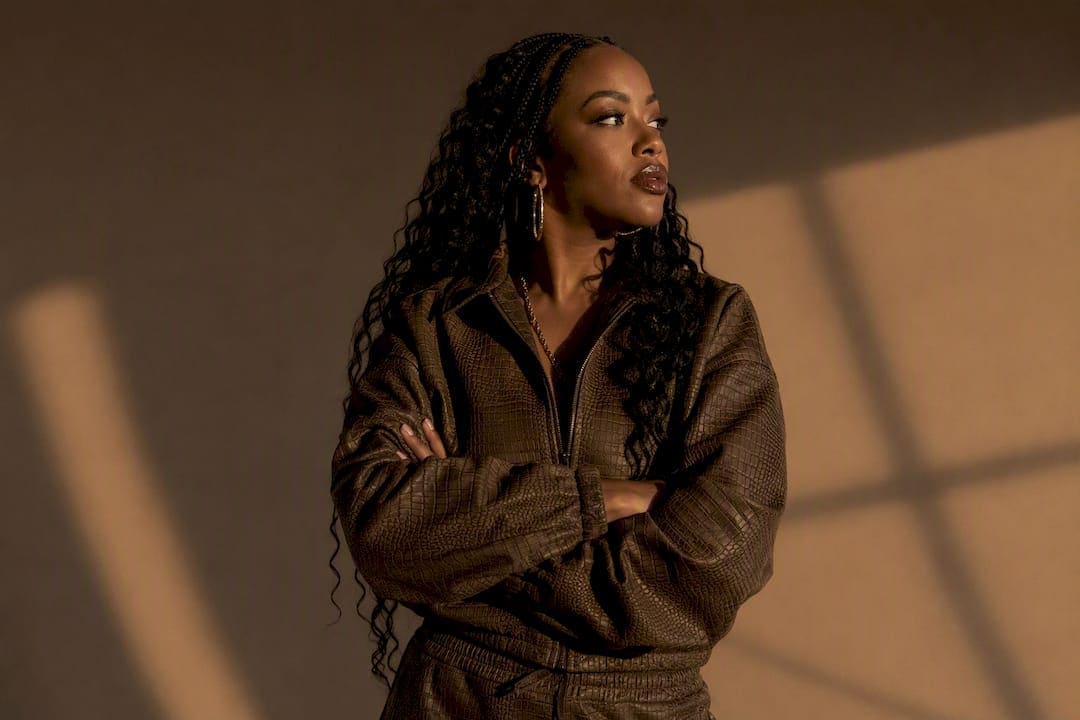
Hip hop and R&B audiences often respond to strong silhouette, confident posture, and high-contrast lighting. Indie and alternative audiences tend to favor naturalism: unposed moments, available light, and a rawer editing style. Pop audiences reward color, energy, and polish, since the visual language is part of the entertainment itself. Country and Americana artists often lean into environmental storytelling, real locations, and wardrobe that reads as authentic rather than styled.
None of this is a rulebook you’re locked into forever. It’s a starting point that tells you what your specific audience already expects, so you can decide where to meet that expectation and where to subvert it deliberately. An artist who understands the genre convention can break it on purpose and get credit for the choice. An artist who breaks it by accident usually just looks off-brand.
Seasonal and Event-Based Styling Strategies
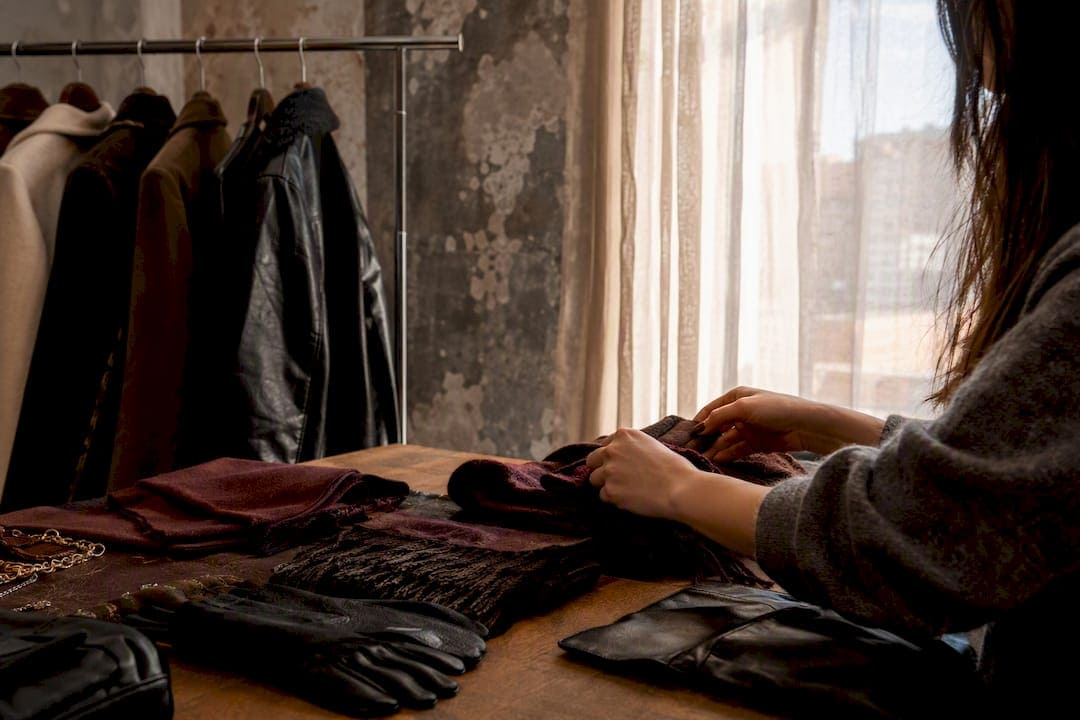
Release timing and seasonal context shape styling decisions more than most artists plan for. A summer single benefits from natural light, lighter wardrobe fabrics, and outdoor locations that photograph with warmth. A winter release can lean into studio lighting, deeper tones, and texture like wool or leather that reads as seasonally honest rather than staged.
Live events and award-show appearances need a different asset plan entirely. Red carpet and stage looks should still connect back to your core visual lane, even when the styling gets more elevated than your everyday content. The mistake to avoid is treating a big event as a license to abandon your identity for one flashy night. Fans notice the disconnect, and so do editors building recognition over multiple appearances.
Holiday and cultural moments (year-end recap content, festival season, award cycles) offer natural hooks for fresh content without requiring a full new shoot. A single well-planned session can be styled to generate both your core release assets and a smaller set of seasonal variations, shot in the same day with wardrobe or lighting tweaks between setups.
Long-Term Branding vs. Evolving Style Approaches
Long-term branding and era-based evolution aren’t opposites. The strongest artist brands treat identity as a flexible system with a stable core and rotating expressive details. Your face, your voice, your general visual temperature: those stay recognizable across years. Your color palette, hairstyle, or specific wardrobe direction can shift release to release without breaking that recognition, as long as the transition feels deliberate rather than accidental.
NotNoise’s branding research argues that a flexible system built around narrative coherence outperforms both a single unchanging gimmick and pure aesthetic chasing. Artists who never evolve start to feel stale. Artists who reinvent completely every six months never build lasting recognition at all.
The practical move is planning your evolution in advance rather than reacting to trends in real time. Decide what your next era changes (color, silhouette, mood) and what it keeps (your signature prop, your grooming baseline, your general lighting philosophy). That balance is what separates an artist with a genuine visual story from one who just looks different every time a new single drops.
Balancing Artist Personality With Marketable Image
The tension between authentic personality and marketable image trips up more artists than any technical styling question. Lean too far toward “just being yourself” with no visual editing at all, and you risk blending into the noise. Lean too far toward manufactured image, and longtime fans smell inauthenticity immediately, especially on platforms built around perceived rawness.
The better framing: styling isn’t a mask over your personality, it’s a translation of it. If you’re naturally understated and direct, your visual lane should feel understated and direct, not loud and maximalist because “that’s what gets attention.” If you’re genuinely theatrical and expressive, restrained styling will feel like a costume that doesn’t fit.
Test every styling decision against one question: does this feel like an exaggerated, focused version of who you actually are, or does it feel like someone else’s idea of what an artist should look like? The first builds trust over years. The second tends to collapse the moment you stop actively performing it.
Author perspective: what actually holds up over years
Every consistent artist look I’ve shot came down to one habit: someone on the team said no to a good-looking idea because it didn’t match the lane. That discipline matters more than any lighting trick.
Pro Tip: Shoot fewer looks, better. One tightly controlled setup beats four rushed ones every time.
How a Full-Service Studio Removes the Guesswork
A lot of the friction described above (mismatched crops, inconsistent lighting, wardrobe surprises on shoot day) disappears with production support that’s already solved these problems hundreds of times through professional design and branding services. Ken Jones Photography, based in Manhattan’s Financial District, builds full asset packs for music artists in one coordinated session rather than a patchwork of separate shoots, so your hero image, verticals, and detail shots all come from the same lighting setup and edit continuity.
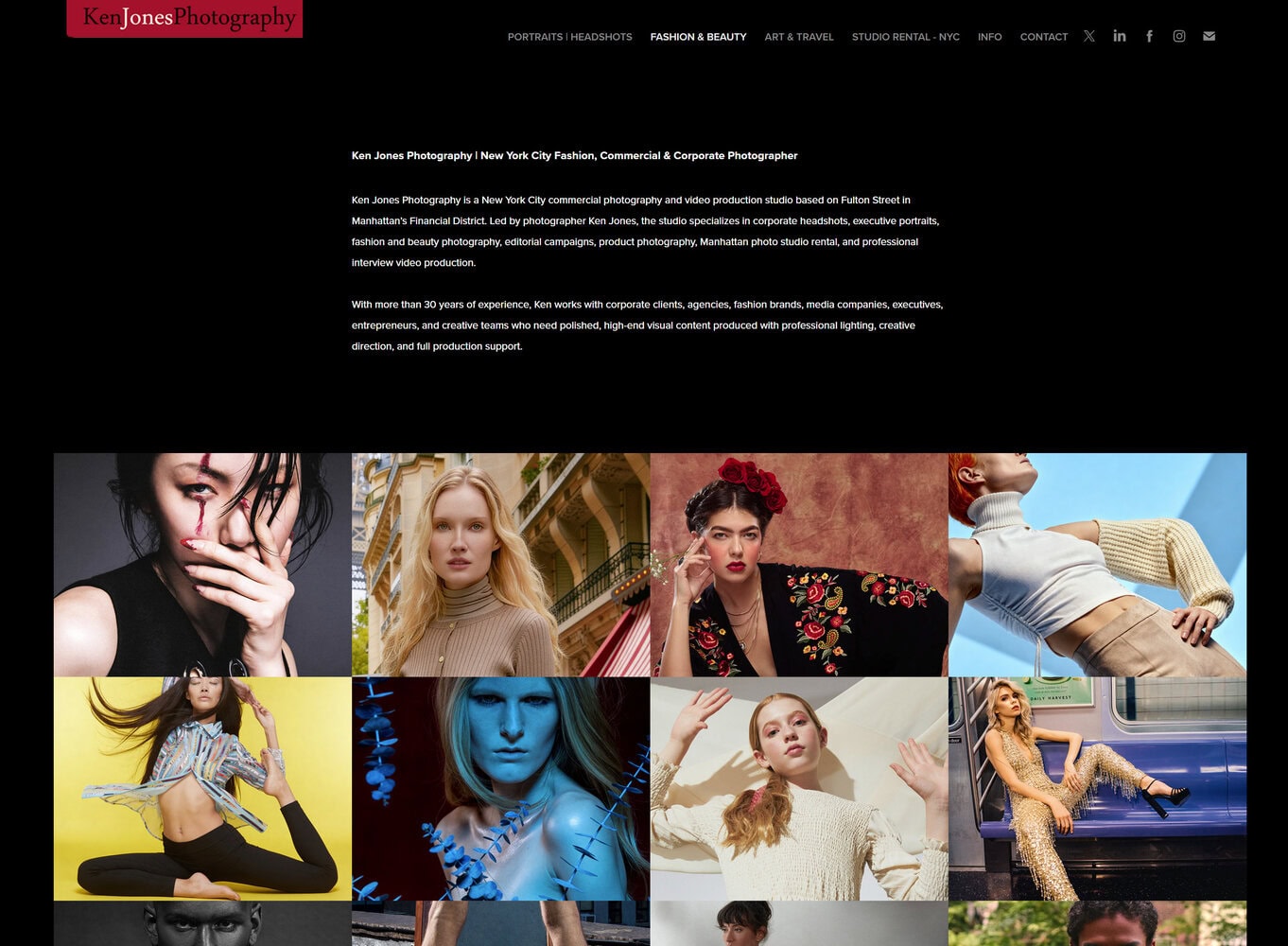
The studio handles the pieces that usually go wrong when artists DIY a shoot under time pressure: creative direction, lighting, hair and makeup coordination, and retouching that keeps your signature look intact across every crop. Services relevant to a full promo cycle include:
- Editorial-style fashion photography for hero images and lookbook-style asset packs
- Combined photo and video production for stills and short-form clips in one session
- Studio rental with controlled lighting for artists who need a consistent, repeatable setup
If you’re planning your next release cycle and want a full asset pack built right the first time, reach out through Ken Jones Photography, KenJonesNYC, Ken Jones NYC, to check studio availability and get a production quote for your next session.
Sources
- A guide to photo shoots for artists that covers press, streaming profiles, and social – Magnetic Magazine
- Why establishing your brand is key — Spotify for Artists
- Statista — Music genres preferred by consumers in the U.S.
- The indie artist’s guide to visual branding — Groover blog
- Music Branding for Independent Artists: Build an Identity That Outlasts the Algorithm | NotNoise
FAQ
Who Are Some of the Most Stylish Musicians?
Artists frequently cited for strong, recognizable visual branding include performers who commit to one clear signature element, whether that’s a color, silhouette, or accessory, across their entire career rather than changing it constantly.
What Are Some Iconic Artist Styles?
Iconic artist styles tend to share one trait: a repeatable visual anchor (a color palette, silhouette, or prop) that stays consistent enough for fans to recognize the artist even in a low-quality photo or a quick scroll.
Who Are Gen Z’s Favorite Artists?
Gen Z audiences tend to favor artists whose visual identity feels social-first and platform-native, with short-form video and Canvas loops playing as large a role in recognition as traditional photography.
How Do I Start Building My Own Artist Visual Brand?
Start by defining your musical identity in one sentence, then choose a single visual lane and build a full asset pack, hero image, crops, and verticals, around it in one coordinated shoot with a photographer or studio experienced in artist branding.