
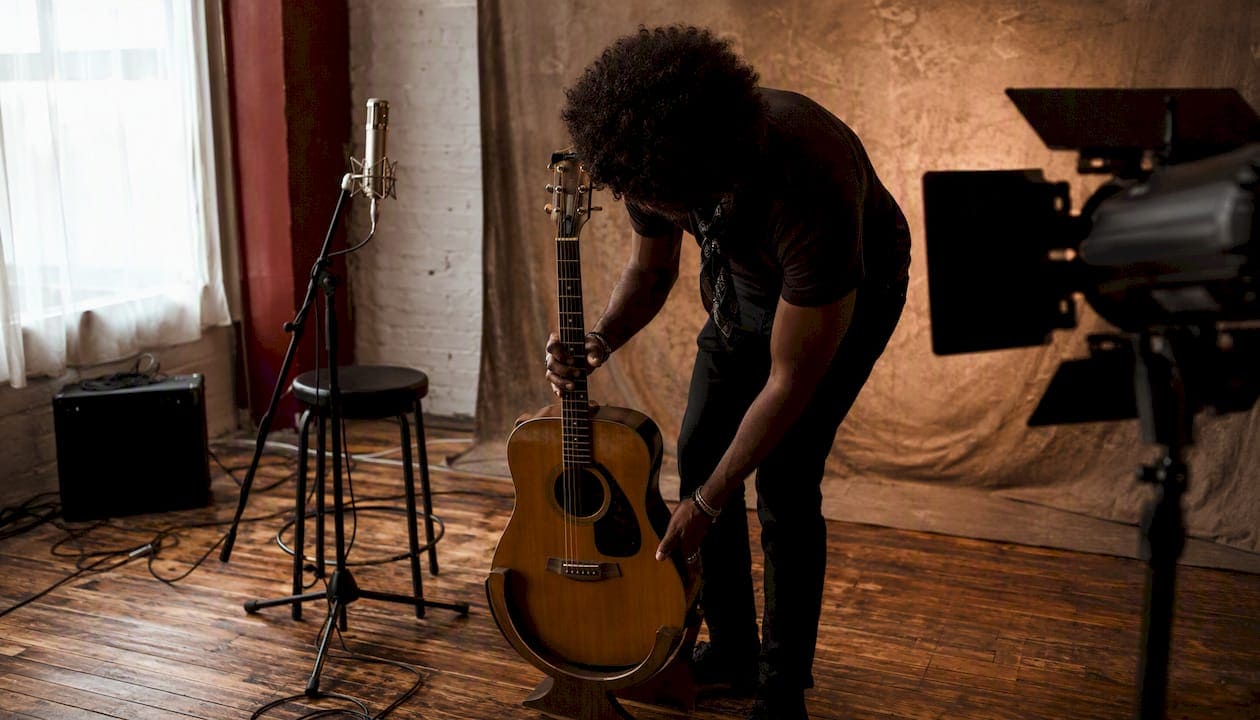
A tight pre-shoot checklist covering concept, moodboard, team, shot list, wardrobe, logistics, and usage terms is what separates a music-artist photo shoot that delivers a usable, on-brand asset pack from one that produces a handful of nice-looking images you can’t actually use anywhere. Magnetic Magazine puts it plainly: treat the shoot as a campaign-ready asset pack with consistent color grading, lighting, and framing so images work across press, streaming, and social without feeling disconnected. That framing should drive every decision you make before call time.
Here is the pre-shoot checklist to complete before you arrive on set:
- Define your concept — one clear visual lane tied to your music and audience
- Build a moodboard with 8–15 tagged references (lighting, palette, posing, camera language)
- Choose your photographer and confirm portfolio fit, delivery specs, and usage rights in writing
- Add crew — stylist and hair/makeup artist if budget allows
- Write a shot list covering headshots, full-body, environmental, creative, and crop variants
- Plan wardrobe — two to three cohesive looks, steamed and packed with backups
- Scout or confirm the location — studio or on-location, with a weather backup
- Confirm deliverables and usage terms before any payment clears
- Prep your body and skin — sleep, hydrate, and run a grooming check three days out
- Day-of quick checks — garments steamed, battery packs charged, contact list saved, snacks packed
Pro Tip: Run a phone test-shoot in your final outfit the night before. Patterns that look sharp in a mirror can strobe on camera, and you want to catch that at home, not on set.
Key Takeaways
A music-artist photo shoot produces a usable, on-brand asset pack only when concept, shot list, usage rights, and crew are confirmed in writing before call time.
| Point | Details |
|---|---|
| Concept before camera | Define mood, palette, hero image, and top uses before booking a photographer. |
| Moodboard as visual contract | Use 8–15 tagged references with at least one anti-reference to align the full crew. |
| Shot list covers every crop | Plan square, vertical, and horizontal variants up front so no platform gets left out. |
| Usage rights in writing | Confirm license or work-for-hire terms before payment to avoid press friction. |
| Ken Jones Photography | Offers full music-artist production in NYC: creative direction, styling, studio, retouching, and usage-cleared delivery. |
Table of Contents
- What should your photos express, and where will they actually be used?
- How to build a moodboard your photographer and stylist can actually use
- How do you choose the right photographer and support crew?
- What goes on a shot list that actually covers every asset you need?
- What wardrobe, hair, makeup, and props should you prepare?
- Studio or on-location: how do you scout, plan lighting, and handle permits?
- How should you behave on set to get the best frames?
- What are realistic session lengths, budgets, and turnaround times?
- What file specs and usage rights should you negotiate before the shoot?
- What does a full production shoot actually look like from the inside?
- How should you prepare your body and skin before the shoot?
- How do you align on creative control and feedback before the shoot?
- What is your backup plan when weather or location issues hit?
- How do you manage nerves and stay confident on shoot day?
- What one honest on-set lesson shaped how I approach music-artist shoots
- Ready to shoot with a full production team behind you?
- Sources
- FAQ
What should your photos express, and where will they actually be used?
Before you book a photographer, decide what your images need to communicate and where they will live. That order matters. An artist who shoots first and figures out usage later often ends up with beautiful images cropped wrong for every platform they need.
Start with a simple concept template:
- Mood: one or two adjectives that describe the emotional register (raw, cinematic, minimal, warm)
- Palette: two to three dominant colors that match your artwork or brand
- Wardrobe tone: structured or relaxed, monochrome or layered
- Hero image idea: the single strongest frame you want to walk away with
- Top uses: EP cover, Spotify profile, press kit, Instagram hero, Reels thumbnail, merch
Each use affects framing and orientation. An EP cover is typically square; a press header is horizontal; a Reels thumbnail is vertical. Plan for crops and orientation up front — square for Spotify, vertical for Reels and TikTok, horizontal for press headers — otherwise you risk losing image usability in post. Knowing your uses before the shoot means your photographer can frame every setup with those crops already in mind.
How to build a moodboard your photographer and stylist can actually use
A moodboard is not a Pinterest wishlist. It is a visual contract between you and your production team. Echonos organized into categories: palette, character, environment, camera language, motion, and lighting. Tag each image by job so your photographer knows whether a reference is about the light quality, the pose, the color grade, or the lens choice.
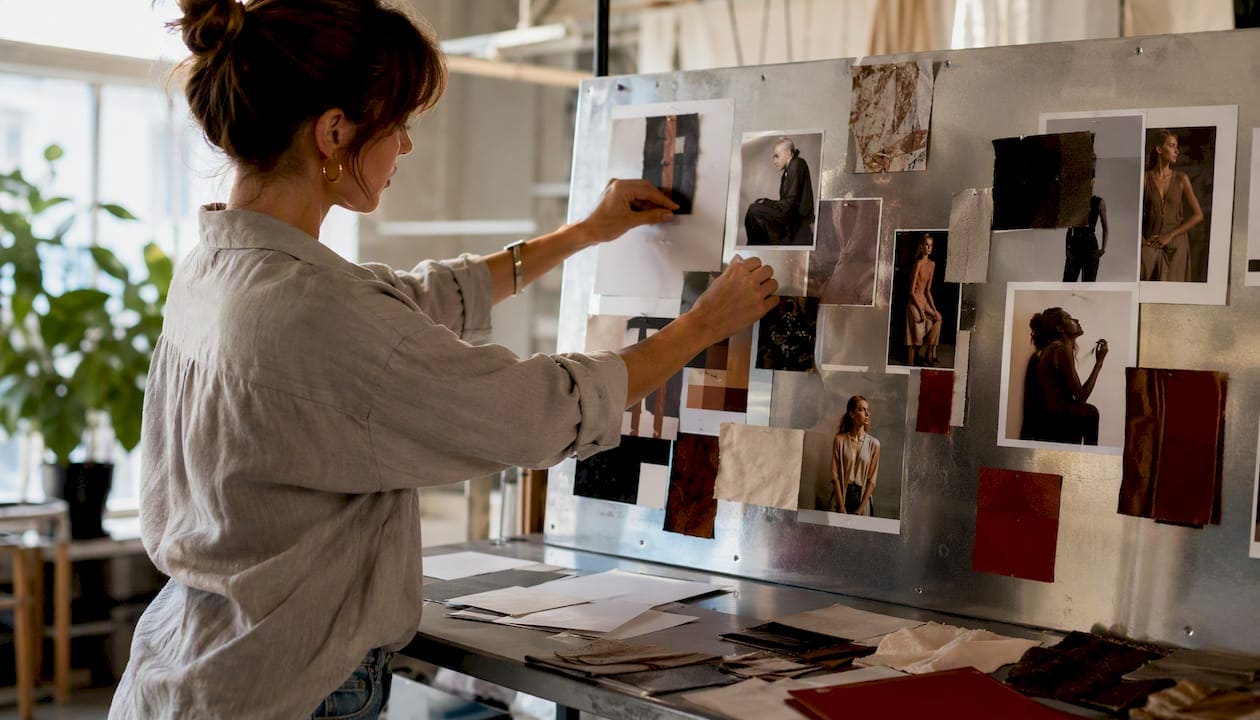
An annotated example: pull a moody, low-key portrait and tag it “lighting reference — single source, shadows on the face.” Pull a second image of a musician mid-movement and tag it “posing energy — not the outfit.” Add a hex swatch for your dominant color. Then add one anti-reference: an image that shows exactly what you do not want. That single anti-reference often saves more time on set than five positive references.
Pro Tip: Translate every moodboard image into a production phrase before sharing it. “I like this photo” tells your photographer nothing. “Warm tungsten key light, slight underexposure, shallow depth of field” gives them something to reproduce.
Tools that work well for this: Pinterest for collecting, Milanote for annotating and organizing by category, Figma for teams who want a shared working file. Whichever you use, export a PDF version to share with every crew member before the shoot.
How do you choose the right photographer and support crew?
The photographer’s portfolio should show work that looks like what you want, not just work that looks good in general. Consistent edit style across a portfolio signals that the photographer has a repeatable process. Inconsistency — where every image looks like it came from a different shoot — is a red flag. Symphonic’s press-photo guide recommends hiring professionals and planning multiple shot types so press, editorial, and social needs are all covered, and notes that proper copyright agreements prevent friction with publications down the line.
Questions to ask before you book:
- What does your standard delivery package include (file count, retouching rounds, turnaround)?
- Do you shoot tethered, and can I review selects during the session?
- Who owns the images after delivery — is this a license or work-for-hire?
- What is your policy if I need additional retouching beyond the included rounds?
On crew: a stylist handles wardrobe continuity and last-minute fixes on set. A hair and makeup artist manages look consistency across outfit changes. A creative director or art director manages the shot list and keeps the session on concept. An assistant handles gear, reflectors, and logistics so the photographer stays focused on you.
If you are working with a limited budget, prioritize hair and makeup over a stylist. Skin and hair inconsistency across a set is the hardest thing to fix in post, and a skilled makeup artist will also help you feel more confident on camera — which shows in every frame.
Spotify for Artists is direct on this point: artists should be able to pause and re-establish boundaries on set. A photographer who pushes past your comfort level or dismisses your feedback is not the right fit, regardless of their portfolio.
What goes on a shot list that actually covers every asset you need?
A shot list is your production insurance. Without one, sessions drift toward whatever feels good in the moment, and you leave without the vertical crop for Reels or the clean headshot your publicist needs. Practical shoot planning resources consistently recommend preparing a short shot list and outfit rehearsal to maximize useful selects on shoot day.
Compact shot list template:
- Headshot, tight crop (square and vertical variants) — must-have
- Half-body, neutral background — must-have
- Full-body, standing — must-have
- Environmental portrait (location context in frame) — must-have
- Creative or concept shot (hero image) — must-have
- Instrument or prop pose — nice-to-have
- Candid or movement shot — nice-to-have
- Group and individual variations (for bands) — must-have for bands
| Shot Type | Suggested Time |
|---|---|
| Headshots (tight and half-body) | 15–20 minutes |
| Full-body, standing variations | 10–15 minutes |
| Environmental portrait | 15–20 minutes |
| Hero/creative concept shot | 20–30 minutes |
| Instrument or prop poses | 10–15 minutes |
| Candid/movement shots | 10–15 minutes |
Mark your hero image clearly on the list. That is the frame the photographer should spend the most time on. Everything else feeds the asset pack around it.
What wardrobe, hair, makeup, and props should you prepare?
Two to three cohesive looks is the right range for most sessions. More than three and you spend more time changing than shooting. Each look should read differently on camera — vary silhouette, texture, and color weight rather than just swapping a top.
Wardrobe checklist:
- Avoid small repeating patterns (houndstooth, fine stripes) — they create visual noise on camera
- Steam every garment the night before; wrinkles read sharply under studio light
- Pack a backup for each look in case of a spill or a fit issue on set
- Bring double-sided tape, safety pins, and a lint roller
Hair and makeup continuity matters more than most artists expect. If you change outfits, your hair and makeup need to match the new look’s register. A professional makeup artist tracks this automatically. If you are doing your own makeup, photograph your face before each look change so you can reset accurately.
Props and instruments add authenticity when they connect directly to your music. A guitarist holding their actual touring guitar reads differently than a prop instrument. Keep fragile gear in a hard case until the moment it is needed on set, and assign someone on the crew to handle it between setups.

Pro Tip: Do a full dress rehearsal at home two days before the shoot. Put on the complete look — outfit, hair, makeup, shoes — and take phone shots in natural light and in a darker room. You will catch fit issues, color problems, and anything that reads unexpectedly on camera before it costs you time on set.
Studio or on-location: how do you scout, plan lighting, and handle permits?
Studio shoots give you control: consistent light, no weather variables, easy load-in, and a clean background you can repeat across setups. On-location shoots give you character, scale, and environmental context that a studio cannot replicate. The right choice depends on your concept, not your budget.
Scout checklist for on-location shoots:
- Power access (for additional lighting kit if needed)
- Load-in route and parking for gear
- Permit or permission requirements for the specific location
- Weather backup plan (indoor alternative within 20 minutes of the primary location)
- Time of day for optimal natural light (golden hour vs. midday contrast)
For studio work, Ken Jones Photography’s studio rental at the FultonStudio in Lower Manhattan offers controlled lighting setups, cyclorama options, and full production support — the kind of environment where you can run multiple looks without losing consistency between setups.
Lighting choices shape the entire mood of the set. Natural window light reads warm and organic but shifts over the course of a session. Controlled studio strobes stay consistent across hours, which matters when you need a cohesive edit across 30 or 40 selects. If your photographer plans to add a lighting kit on location, ask how that affects setup time and whether it requires an assistant or grip.
How should you behave on set to get the best frames?
Most artists are not models, and that is fine. The goal is not perfect posing — it is authentic presence with enough physical awareness to avoid common camera problems.
- Warm up before the first frame. Roll your shoulders, loosen your jaw, and take three slow breaths. Tension in your face and neck shows in every shot.
- Chin slightly forward and down. This is the single most common correction photographers make. It defines the jawline and prevents the camera from flattening the face.
- Relax your hands. Stiff hands read as stiff energy. Let them hang naturally or give them something to do — hold your instrument, touch a surface, move.
- Confirm direction before you try it. When the photographer gives a direction, repeat it back briefly, then execute. If it feels wrong, say so after the frame — not during.
- Take micro-breaks every 20–30 minutes. Step out of the light, drink water, and reset your energy. Fatigue shows in the eyes before it shows anywhere else.
- Use movement to find stillness. Walk toward the camera and stop. Shake out your arms and land in a natural position. Movement often produces more authentic frames than posed stillness.
- Trust the photographer’s eye, but protect your comfort. If a direction makes you uncomfortable, pause and say so. Per Spotify for Artists, collaboration and artist comfort are non-negotiable for a good session.
What are realistic session lengths, budgets, and turnaround times?
Session length depends on scope. A one-hour quick session covers headshots and one or two looks — enough for a Spotify profile update and a press kit refresh. A half-day (three to four hours) covers three looks, multiple setups, and a hero concept shot. A full day (six to eight hours) supports a full campaign cycle: multiple locations or setups, band and individual shots, and a complete asset pack.
Sample budget ranges vary by market and scope, but a general framework:
- Entry-level session (photographer only, one to two hours): covers basic headshots and one look; retouching typically limited
- Mid-range session (photographer plus hair/makeup, half-day): includes two to three looks, basic retouching, and a defined deliverable count
- Full production day (photographer, stylist, hair/makeup, assistant, creative direction): covers a complete campaign asset pack with multiple setups, full retouching, and usage-cleared files
Contract items to confirm before the shoot date: total deliverable count, number of retouching rounds included, usage rights scope, payment schedule, and cancellation or rescheduling terms. Bandzoogle’s photoshoot checklist recommends confirming all of these in writing to reduce the risk of inconsistent or unusable images.
What to bring on the day: all outfits steamed and packed, a portable steamer, phone charger and battery pack, snacks and water, instrument cases if applicable, and a printed or shared copy of the shot list.
What file specs and usage rights should you negotiate before the shoot?
File specs matter more than most artists realize until a publication rejects an image for being too low-resolution or a streaming platform crops the cover art incorrectly.
A typical deliverable package for a mid-range session might include 8–15 edited selects, one hero image with extended retouching, and crop variants for the primary use cases. Turnaround is commonly one to three weeks for edited selects, depending on the photographer’s workload and retouching scope.
Usage rights are where artists most often get caught. A limited license means the photographer retains copyright and grants you specific uses (social, press, streaming) for a defined period. Work-for-hire means you own the copyright outright. Symphonic’s guidance is clear: clarify copyright terms in writing before the shoot to prevent friction with publications. Most press outlets require confirmation that the artist has rights to the images they submit.
Retouching scope to agree in writing: skin retouching level (light, medium, or heavy), color grade consistency across the full set, background cleanup, and the number of revision rounds included.
What does a full production shoot actually look like from the inside?
A professional music-artist shoot runs on a call sheet, not on improvisation. Here is the production checklist used on full-day sessions:
- Pre-production call (one to two weeks out): confirm concept, shot list, crew roles, call times, and location logistics
- Call sheet distributed (48 hours before): includes call times for each crew member, location address, parking notes, and emergency contacts
- Kit list confirmed: camera bodies and lenses, lighting kit, grip equipment, reflectors, color cards, and backup batteries
- Wardrobe steamed and organized by look, in shoot order, with accessories attached
- Hair and makeup call (one to two hours before first frame): build time into the schedule, not into the shooting window
- Assistant tasks assigned: gear setup, reflector holds, continuity notes, and wardrobe tracking between setups
- Backup plans confirmed: weather alternative, secondary location, and a contact for any permit-related issues
A real-world lesson from production: one artist arrived at a location shoot without confirming the permit, and the location manager turned the crew away 20 minutes into setup. The session moved to a studio, which actually produced stronger images — but the scramble cost an hour of shooting time and added stress to the whole team. The fix is a single line on the pre-production call: “Who is confirming the permit, and what is the backup location?”
Pro Tip: Shoot a continuity frame at the start of each look — a full-body reference shot with the complete outfit, hair, and makeup visible. If you need to recreate any element in post or for a reshoot, that frame is your reference.
How should you prepare your body and skin before the shoot?
The week before the shoot matters more than the morning of. Skin that is well-rested and hydrated photographs differently than skin that is dehydrated or inflamed, and no amount of retouching fully replaces good preparation.
Three to five days out: increase water intake, reduce alcohol and high-sodium foods, and get consistent sleep. If you use a regular skincare routine, stick to it — introducing new products in the days before a shoot risks a reaction. Avoid aggressive exfoliation or any new facial treatment within 72 hours of the shoot.
The night before: lay out every outfit, confirm all garments are steamed, and get to bed at a reasonable hour. Puffy eyes and dull skin from one bad night of sleep are visible on camera. The morning of: eat a light meal, hydrate, and give yourself enough time to arrive without rushing. Stress reads in the face and the body.
For bands, coordinate grooming standards across the group. Mismatched grooming levels — one member with a fresh haircut and another with three weeks of growth — creates visual inconsistency that pulls focus in group shots. WaterBear’s press-shot guidance recommends planning wardrobe consistency for band photos specifically because visual cohesion across a group is harder to achieve and easier to lose.
How do you align on creative control and feedback before the shoot?
The pre-production call is where creative control gets defined, not negotiated on set. Before the shoot, confirm in writing: who has final approval on selects, how many rounds of feedback are included, what the process is for requesting changes after delivery, and whether the artist can be present during culling.
Creative control friction usually comes from ambiguity, not bad intentions. An artist who expects to approve every frame before delivery and a photographer who culls independently will collide unless the process is agreed in advance. A simple written summary of the workflow — photographer culls to 30 selects, artist chooses 15, photographer retouches final 10 — removes that ambiguity entirely.
On set, give feedback in real time but frame it constructively. “Can we try this with more space above my head?” works better than “I don’t like how this looks.” Photographers respond to specific, visual language. The more clearly you can describe what you want, the faster the session moves.
What is your backup plan when weather or location issues hit?
Every on-location shoot needs a written backup plan before the day arrives. Weather is the most common disruption, but permit denials, noise issues, and access problems are equally real.
The backup plan should answer three questions: Where do we go if the primary location is unavailable? How much time does the move add to the schedule? Who makes the call, and at what point in the morning?
For outdoor shoots, set a weather decision time — typically two hours before call time — and identify an indoor alternative within a reasonable distance of the primary location. A studio rental held on a soft hold for the same day is the cleanest solution. For location shoots in New York City, permit requirements vary by borough and location type; confirm the specific requirement with the location manager or Parks Department well in advance, not the morning of.
Build 30 minutes of buffer into the schedule specifically for location contingencies. That buffer rarely goes unused.
How do you manage nerves and stay confident on shoot day?
Nerves on a shoot day are normal, and experienced photographers expect them. The preparation you did in the weeks before is what carries you through the first 20 minutes, which are almost always the hardest.
Arrive early enough to walk the space before the camera comes out. Familiarity with the environment reduces anxiety. Talk to the crew, ask questions, and let yourself settle in. The first few frames are rarely the selects — they are warmup frames, and everyone on set knows it.
If you feel self-conscious about posing, give yourself a physical task: walk to a mark, pick up your instrument, look at a specific point. Action reduces self-consciousness because it gives your body something concrete to do. The Bandzoogle photoshoot checklist notes that preparation — concept board, wardrobe planning, shot list — reduces the risk of getting unusable or inconsistent images, and that same preparation also reduces on-set anxiety because you arrive knowing exactly what you are there to do.
For bands, designate one person as the on-set communicator with the photographer. Multiple voices giving simultaneous direction creates confusion and slows the session. One spokesperson, agreed in advance, keeps the energy focused.
What one honest on-set lesson shaped how I approach music-artist shoots
The most common production mistake I see is not a technical failure. It is an artist who arrives without a clear concept and expects the photographer to invent one on the spot. That puts the photographer in an impossible position and the artist in a reactive one. The session produces technically competent images that feel generic because no one decided what story they were telling.
The lesson I took from watching this happen more than once: the concept conversation belongs in the pre-production call, not on set. By the time you are standing in front of a camera, the creative decisions should already be made. The shoot is the execution, not the planning session.
The checklist item that prevents this: a written one-paragraph concept statement, shared with the photographer at least one week before the shoot. It does not need to be long. It needs to answer: what is this shoot for, what should it feel like, and what is the single most important image we need to walk away with? That paragraph aligns the entire team before anyone touches a camera.
Ready to shoot with a full production team behind you?
Ken Jones Photography works with music artists who need more than a photographer — they need a production partner. From creative direction and styling coordination to controlled studio lighting and retouching, the studio handles the full scope of a professional music-artist shoot at the FultonStudio in Lower Manhattan.
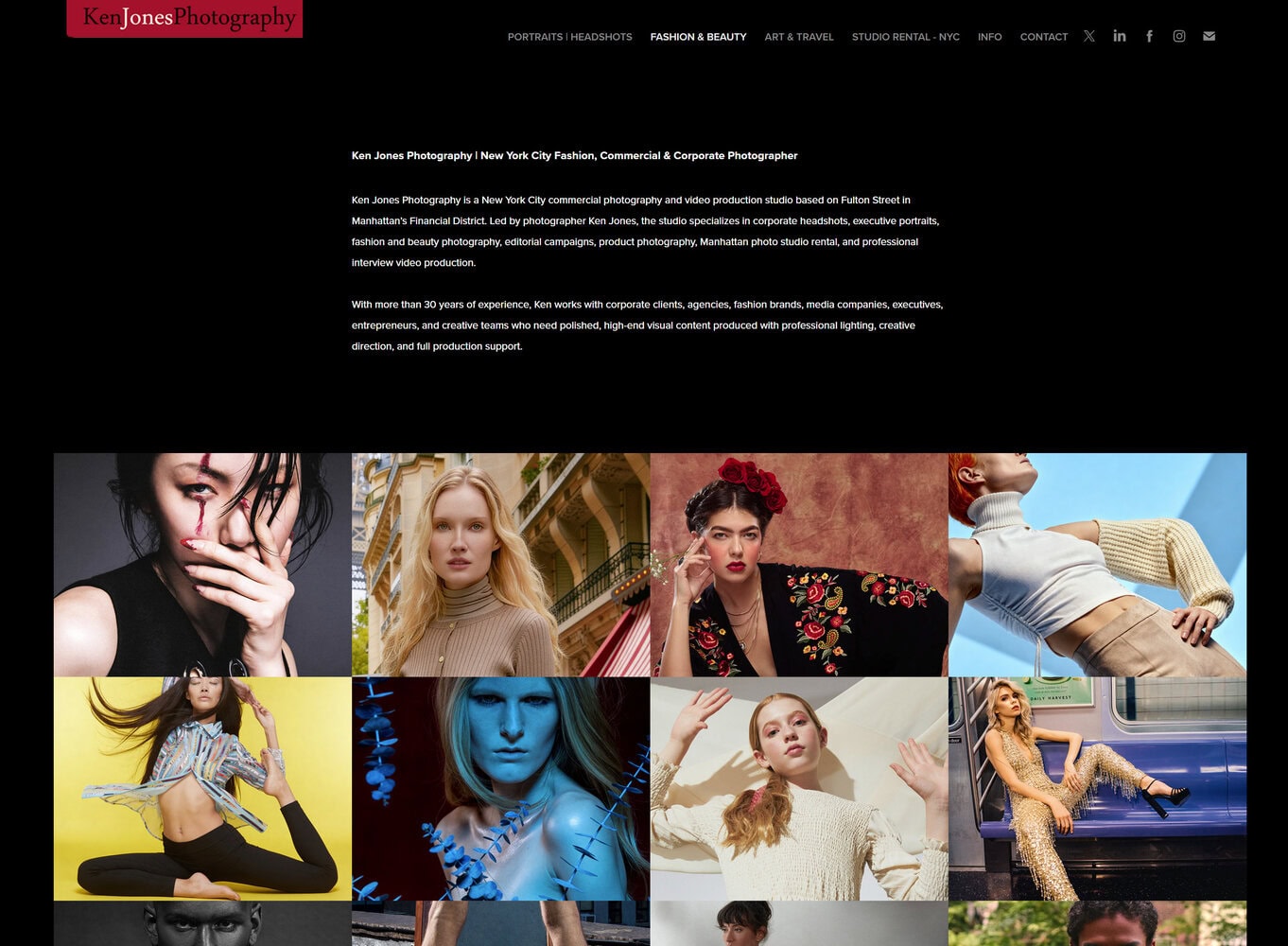
The process starts with a pre-production call to align on concept, shot list, and deliverables. From there, the team handles crew coordination, location or studio logistics, and image delivery with usage-cleared files ready for press, streaming, and social. Artists who want high-concept, editorial-lit work can review the fashion editorial photography portfolio to see the range of production styles available. To discuss scope and request a quote, visit Kenjonesnyc.
Sources
- Photo shoots for artists — Magnetic Magazine
- The Do’s and Don’ts of Taking An Artist Photo – Spotify for Artists
- Echonos
- How To Have The Best Press Photos Possible – Symphonic Blog
- How to Prepare for Your Musician Photo Shoot – Oli Sansom
FAQ
How far in advance should a music artist book a photographer?
Book at least three to four weeks out for a standard session, and six to eight weeks for a full production day with crew. This gives enough time for a pre-production call, moodboard review, and wardrobe preparation.
What is the difference between a license and work-for-hire for music photos?
A license grants you specific uses (press, social, streaming) while the photographer retains copyright. Work-for-hire transfers copyright to you outright. Clarify which applies in your contract before the shoot to avoid permission issues with publications.
How many outfit changes fit in a typical half-day session?
Two to three outfit changes work well in a three to four hour session. Each change typically takes 10–15 minutes including hair and makeup adjustments, so build that time into your shot-list schedule rather than treating it as free time.
What are the most important shots to prioritize on a music-artist shoot?
A clean headshot, a full-body standing frame, and one strong hero concept image are the three must-have selects. Everything else — environmental portraits, instrument poses, movement shots — builds the asset pack around those three.
Do music artists need a stylist for every shoot?
Not always. For a simple headshot or press-kit refresh, a well-prepared wardrobe and a makeup artist are usually sufficient. A stylist becomes worth the investment when the shoot involves multiple looks, a specific visual concept, or images intended for editorial or campaign use.