

Creative direction is the planning and on-set leadership that makes images serve a brand or campaign, not just look good on a screen. It usually falls to a creative director, an art director, or the photographer wearing both hats, and it typically starts weeks before anyone touches a camera. You need dedicated creative direction when a shoot has to hit specific brand or marketing goals across multiple channels; a photographer alone can often handle a simpler, single-use shoot.
TL;DR:
- Precise deliverable sizes and labeled content libraries are crucial to prevent costly reshoots and last-minute edits.
- Tethering from the first shot ensures immediate review, reduces misreads, and speeds stakeholder approval during the shoot.
- Clear, comprehensive briefs with three to five brand adjectives, visual references, color codes, audience definitions, and exact deliverables prevent wasted days and mismatched assets.
- Locking the hero crop and verifying props and wardrobe against the brief before shooting reduces errors and improves final image usability.
- Bringing in a dedicated creative director for shoots with more than two stakeholders helps maintain focus and final approval authority, avoiding prolonged revision cycles.
Table of Contents
- What Is Creative Direction in Photography?
- What Should Go Into a Creative Brief for a Photoshoot?
- How Do You Plan a Shoot Before the Camera Comes Out?
- How Do You Direct a Photoshoot on the Day?
- What Happens After the Shoot Ends?
- What Goes Wrong on Most Shoots, and How Do You Fix It
- How Ken Jones Photography Approaches Creative Direction
- Book a Pre-Production Session or Browse the Portfolio
- Sources
- FAQ
What Is Creative Direction in Photography?
Creative direction is the thinking that happens before anyone picks up a camera. It means defining what an image needs to say, who it needs to say it to, and how the final files will get used, then building every decision on set around that intention. Anthony Romano’s breakdown of the role frames it as the planning and visual strategy layer that sits above the technical execution, and that framing matches how it plays out in practice.
On a real shoot, creative direction spans three phases: pre-production (concept, mood board, casting, locations), on-set leadership (guiding talent, approving frames, keeping the energy right), and post-production oversight (making sure the final edit still matches the original intention). An art director usually owns the visual system, layout, and brand consistency. The photographer owns lighting, composition, and technical execution. A creative director sits above both, making the calls when priorities conflict.
On smaller teams, these roles collapse into one or two people. Someone still has to sign the brief and hold final say on what gets approved.
- Creative director: owns the vision, the brief, and final approval
- Art director: translates the vision into visual layout and brand consistency
- Photographer: executes the technical capture and lighting
- Small teams: photographer or founder often absorbs creative direction duties, but should still formalize sign-off in writing
Technical polish alone doesn’t produce images that support a brand strategy. That’s the gap Domus Academy’s piece on creative direction points to, and it’s the same gap that turns beautiful photography into a folder nobody ends up using.
What Should Go Into a Creative Brief for a Photoshoot?
A weak brief is the single biggest cause of wasted shoot days. You can have great light, a great location, and a great photographer, and still walk away without the assets the campaign actually needs, because nobody wrote down what “done” looked like.
An effective brief needs these elements, and skipping any of them invites what industry writers call “catalog drift,” where the final images slowly stop matching the brand’s actual voice:
- Three to five brand adjectives — words like “warm,” “confident,” “minimal,” or “editorial” that guide tone decisions on set
- Visual references and mood board — actual images, not just descriptions, so everyone agrees on what “moody” or “clean” looks like
- Color palette — hex codes or Pantone references, especially if the images need to sit next to existing brand assets
- Audience definition — who the image is speaking to, since a shot built for a trade audience reads differently than one built for Instagram
- Hard deliverables — exact crop dimensions, file formats, and channel destinations, not a vague “some square and some vertical”
According to Monday’s creative brief template, briefs missing these fields, particularly the deliverable dimensions, are the most common reason a shoot produces technically nice images that don’t fit anywhere the client needs them. Asana’s guidance on writing creative briefs calls the brief the operational document that prevents expensive on-set negotiations, which tracks with what happens when a stylist and a photographer are arguing about wardrobe color halfway through a call time because nobody locked the palette in advance.
A short brief outline might read: brand adjectives (3), primary reference image, secondary reference image, color palette (3 swatches), audience line (one sentence), and a deliverables table listing every crop and file type needed by channel.

How Do You Plan a Shoot Before the Camera Comes Out?
A mood board is only useful once it stops being decorative. Reference images need notes attached: lighting ratio, where negative space goes for a logo overlay, what crop ratio each shot needs to hit. Sarah Sherr’s work on CPG photoshoot strategy makes the point that a good moodboard includes composition notes and color chips, not just pretty inspiration photos, and that distinction is what turns a Pinterest board into a working document.
From there, build the shot list using a PLACE framework:
- Portraits and people shots (talent, environmental, close-up)
- Lifestyle and context shots (product or subject in real use)
- Action and detail shots (movement, texture, close crops)
- Composites and flat lays (organized product or brand groupings)
- Extras and social cutdowns (vertical crops, behind-the-scenes, alt angles)
Lock logistics before call time: permits for any public or semi-public location, signed model and location releases, a props and wardrobe list confirmed with the stylist, a call sheet with names and arrival times, and a shooting order that puts your must-have shots first while light and energy are freshest. Sproutbox’s pre-production framework treats this checklist, brief, shot list, talent, permits, call sheet, as the difference between a shoot that produces usable campaign assets and one that produces a hard drive nobody opens again. Our pre-production checklist covers most of this in a printable format.
Pro Tip: Order your shot list by daylight dependency first, not by outfit or scene number. Chasing window light after 2 p.m. in a north-facing Manhattan studio has ruined more schedules than any wardrobe change ever will.
How Do You Direct a Photoshoot on the Day?
Tethered shooting, running the camera into a laptop or monitor for immediate review, has become standard on any shoot with a client or brand manager on set. ProEdu’s overview of tethered workflows notes that tethering prevents on-set misreads and speeds up stakeholder approval, and having watched clients squint at a 3 inch camera screen for decades, that shift changed how fast shoots actually move.
The sequence matters more than most people realize, as shown in several impactful headshot examples for professionals and creatives that demonstrate the importance of shot order and framing. Capture the hero shot and every required deliverable crop first, while hair, makeup, and light are at their peak. Only after those are locked and approved do you move into creative variations and the frames nobody asked for but everyone loves later. A simple approval chain works best: photographer flags the hero frame, creative director confirms it fits the brief, producer logs the pick and moves the shot list forward.
- Confirm product labels or text are legible before moving on
- Watch energy and expression across a full sequence, not just one frame
- Get explicit sign-off on composition before striking a set
Pro Tip: Never let “we’ll fix it in post” replace an on-set decision you can make in thirty seconds. Retouching can extend a shadow. It cannot invent a crop you never captured.
What Happens After the Shoot Ends?
A half-day shoot with two or three setups typically produces a substantial number of final selects once you’ve culled duplicates, blinks, and near-misses. That range gives a brand manager real options across channels without drowning the team in 2,000 nearly identical frames to sort through.
- Cull aggressively first pass — cut anything with technical issues before judging composition
- Build channel variants during edit — square for social, vertical for stories, horizontal for web headers, done once rather than requested later
- Name and organize by shoot date, subject, and use case — a folder named “IMG_final_v3” helps nobody six months from now
- Map selects to a content calendar — assign images to posting dates or campaign phases before the shoot even wraps
Planning the post-shoot library this way, culling, variants, naming, and calendar mapping, is what turns one production day into months of usable content instead of a single campaign launch, a point Sproutbox’s planning guide makes well.
What Goes Wrong on Most Shoots, and How Do You Fix It
Two failures show up again and again. First: a brief with no exact deliverable sizes, so the client discovers three weeks later they have no vertical crop for a story ad and now need a costly reshoot. Second: wardrobe or props that looked fine in a reference photo but read wrong under studio light, caught only when someone finally tethers in and looks at a full-size frame instead of a phone screen.
Six habits prevent most of this:
- Get releases signed before call time, not during
- Tether from frame one, even for a “quick” shoot
- Lock the hero crop before chasing creative variations
- Confirm every prop and wardrobe piece against the brief the morning of
- Label deliverables in the brief with exact pixel or inch dimensions
- Build a 30-minute buffer into every schedule
Pro Tip: Bring in a dedicated creative director once a shoot has more than two stakeholders approving final images. Beyond that number, someone needs final say, or you’ll spend more time in revision rounds than you spent shooting.
How Ken Jones Photography Approaches Creative Direction
At Ken Jones Photography, KenJonesNYC, Ken Jones NYC, creative direction means running the brief, the shot list, and the on-set calls as one connected process, not three separate handoffs. Deliverables usually include a locked hero set, channel variants, and a labeled content library ready for a marketing calendar. On one lookbook shoot, a client arrived without a locked color palette. The team paused, matched wardrobe against the brand’s actual site colors on a tethered monitor, and avoided a reshoot that would have cost a full production day. For clients who need the studio itself, FultonStudio offers full production support, lighting, and space in Manhattan’s Financial District.
— Ken
Book a Pre-Production Session or Browse the Portfolio
If you’re staring at a blank brief template wondering whether you need a full creative director or just a photographer who can think strategically, that’s exactly the conversation worth having before you book a date. Ken Jones Photography, KenJonesNYC, Ken Jones NYC, runs creative direction, casting, styling, and full production support out of one Financial District studio, which means fewer handoffs and fewer chances for a brief to get lost between vendors.
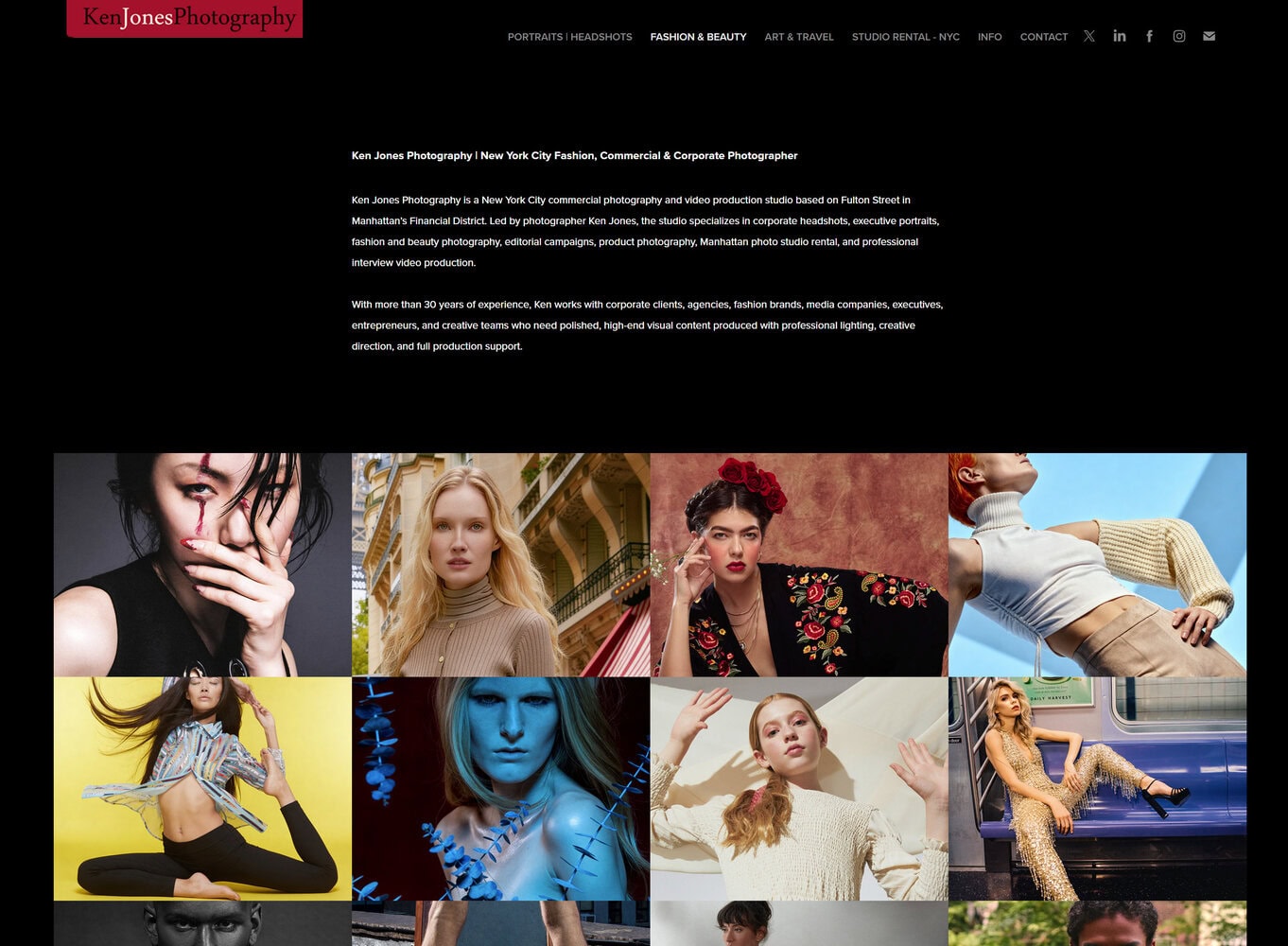
The studio’s services cover fashion and beauty campaigns, commercial and advertising photography, corporate headshots, product and e-commerce imagery, and combined photo and video production days. Whether you need a creative director to build the concept from scratch or a photographer who can execute a brief you’ve already written, three decades of NYC production experience means the logistics, permits, and on-set problem-solving are handled before they become your problem. Browse the fashion photography portfolio to see how a brief translates into finished work, or reach out to schedule a pre-production consultation and get your shot list built before you lock a date.
Sources
- How to write a creative brief (template) — Monday Blog
- What Is Creative Direction in Photography — Anthony Romano
- Brand photography for business: plan a shoot — Sproutbox
FAQ
What exactly is creative direction?
Creative direction is the planning and decision-making that defines what images need to communicate, spanning concept development, on-set leadership, and post-production oversight, so the final assets serve a brand or campaign goal rather than existing as isolated pretty pictures.
Is creative director a high-level position?
Yes, creative director typically sits above the art director and photographer on a production, holding final approval on concept and image selection, though on smaller teams a photographer or founder often absorbs the role.
How do you get better at creative direction?
Practice building complete briefs with locked adjectives, references, and exact deliverables before every shoot, then review past shoots for where the brief failed to prevent a reshoot or revision round, since most creative direction skill comes from tightening that pre-production process over time.
What’s the difference between creative direction and visual direction?
Creative direction covers the full strategic layer, including concept, audience, and deliverables, while visual direction (closer to art direction) focuses more narrowly on the look, layout, and consistency of the images themselves within that broader strategy.