
TL;DR:
- A daylight studio rental uses natural sunlight as the main light source, creating soft, flattering images. It offers flexibility through diffusers, reflectors, and blackout panels, suitable for fashion, portrait, and beauty projects. The best window orientation is north-facing for consistent light, while a studio with blackout capability combines natural and artificial lighting options.
A daylight studio rental is a photo or video studio where natural sunlight from large windows, skylights, or glass walls serves as the primary lighting source, reducing reliance on artificial lights. The result is an open, airy environment that produces soft, flattering, and authentic imagery. These spaces are the go-to choice for fashion, lifestyle, portrait, and beauty work precisely because natural light does things artificial light has to work hard to imitate. If you are a photographer, videographer, or content creator weighing your studio options, understanding what separates a daylight studio from a conventional blackout setup will save you time, money, and a lot of frustration on set.
What is a daylight studio rental and how does it differ from a blackout studio?
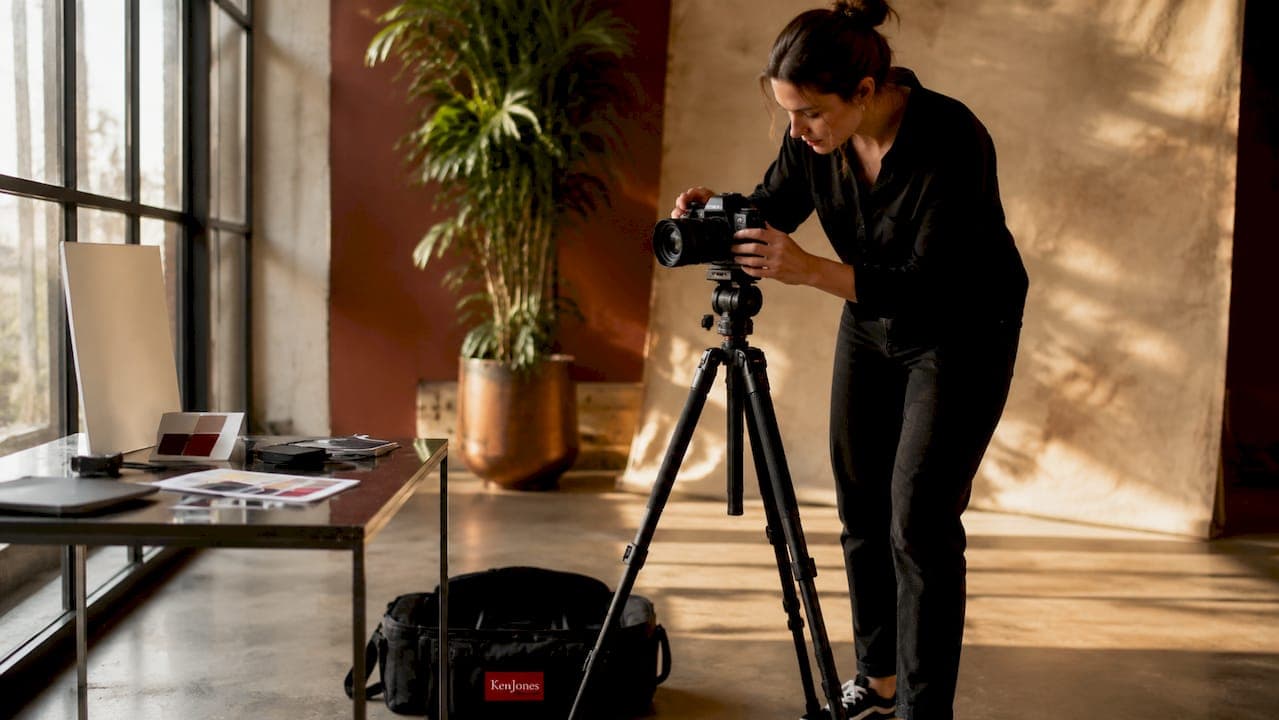
A daylight studio uses sunlight as its core light source, delivered through large windows, skylights, or glass walls. The light is soft, diffused, and warm. It wraps around subjects naturally, minimizes harsh shadows, and creates the kind of depth that takes significant artificial lighting skill to replicate.
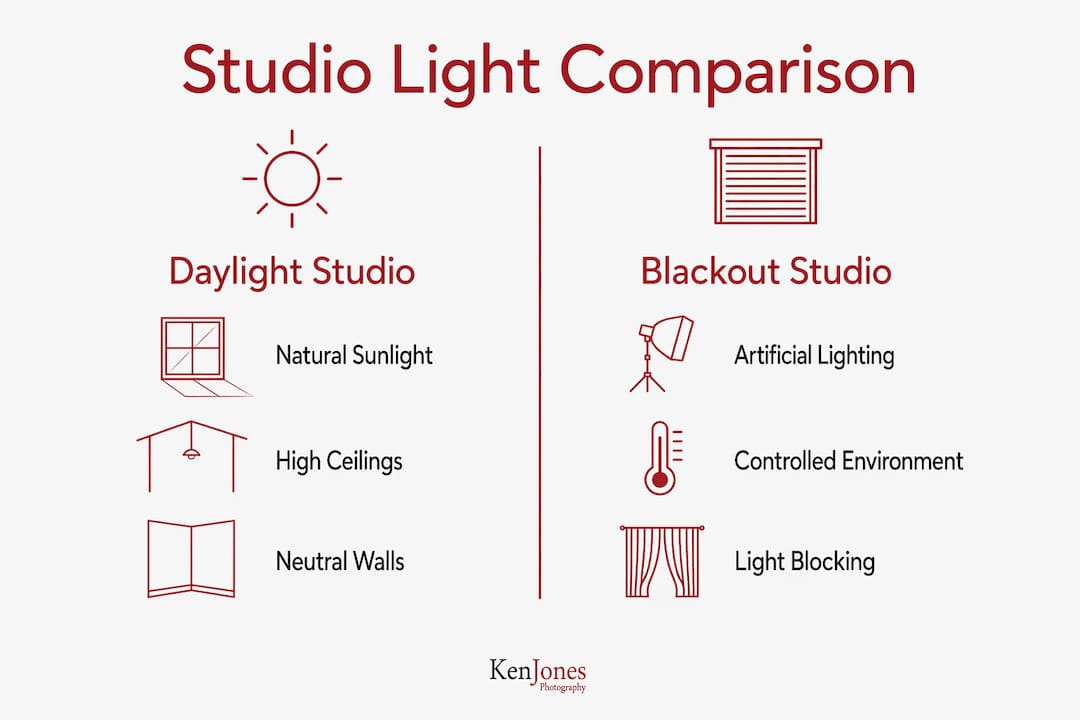
Blackout studios, by contrast, block all outside light. They give photographers complete control over every photon in the room. That repeatability is valuable for cinematic work, complex multi-light builds, or product photography requiring identical conditions across hundreds of frames. The tradeoff is that you lose the organic quality that natural light delivers almost automatically.
The physical environment of a daylight studio reflects its purpose. Expect high ceilings, white or neutral walls, and open floor plans designed to bounce and distribute light evenly. Many daylight rentals also include sheers, diffusion curtains, and blackout panels so renters can shape or block the incoming light when needed. Using blackout curtains within a daylight studio lets photographers switch between ambient natural light and fully controlled setups during the same session. That flexibility is one of the strongest arguments for choosing a daylight space over a pure blackout studio.
| Feature | Daylight studio | Blackout studio |
|---|---|---|
| Primary light source | Natural sunlight | Artificial strobes or continuous lights |
| Light quality | Soft, warm, dynamic | Controlled, repeatable, adjustable |
| Best for | Fashion, lifestyle, portrait, beauty | Cinematic, product, complex multi-light builds |
| Atmosphere | Open, airy, organic | Contained, neutral, fully controllable |
| Flexibility | Moderate (with curtains/sheers) | High (total control) |
Pro Tip: Ask the studio whether the windows face north, south, east, or west before you book. North-facing windows deliver consistent soft light all day, making them the most reliable choice for scheduling without worrying about shifting sun angles.
What rental options and booking considerations should you know?
Flexible rental packages including hourly, half-day, and full-day options are standard across most daylight studio rentals. Hourly rates work well for quick portrait sessions or content creation. Half-day blocks suit editorial shoots with moderate wardrobe changes. Full-day rentals make sense for commercial productions with multiple setups, talent, and crew.
Base rental rates typically cover the space itself. What gets added on top varies widely. Common additional costs include lighting equipment rental, prop fees, hair and makeup room access, and parking. Confirm every line item before signing anything.
Here are the key questions to ask before booking any daylight studio rental:
- What is included in the base rate? Clarify whether lighting gear, backdrops, and Wi-Fi are covered or billed separately.
- What are the setup and teardown policies? Studios commonly allow 15–30 minute buffers, but some charge for that time.
- What insurance is required? Many professional studios require proof of liability coverage before you shoot.
- Are there overtime fees? Running long is expensive if the studio charges premium rates for overages.
- Can you bring outside equipment? Some studios restrict third-party gear or require advance approval.
- Is there a deposit? Professional studios often require deposits and written agreements confirming rental details to prevent scheduling conflicts and ensure liability coverage.
Pro Tip: Booking back-to-back rentals without buffer time is one of the most common mistakes new renters make. Build at least 30 minutes of setup time into your booking, and confirm the studio’s policy on late arrivals before your shoot day.
Review the studio rental contracts guide at Kenjonesnyc for a detailed breakdown of what to look for in a rental agreement, including liability clauses and cancellation terms.
How do you control and maximize natural light in a daylight studio?
Natural light is not passive. It moves, shifts in color temperature, and changes intensity throughout the day. Treating a daylight studio as a holistic lighting system that combines natural light with diffusion tools and supplemental equipment produces the most controlled and creative results.
The most effective approach follows a clear sequence:
- Assess window direction before you arrive. East-facing studios deliver soft morning light. West-facing studios produce dramatic late-day warmth. Window direction directly impacts your wardrobe choices, shot list, and exposure decisions.
- Use natural light as your base, not your only source. Many photographers combine natural light with flash or strobes to fill shadows, add depth, and maintain consistency as the sun shifts.
- Diffuse when the light is too harsh. Sheers and diffusion panels soften direct sunlight and prevent blown-out highlights on skin or fabric.
- Use reflectors to redirect light. A white foam core board or a silver reflector placed opposite the window fills the shadow side of a subject without adding another light source.
- Schedule your most critical shots around peak light. If you are working in a north-facing studio, you have more scheduling flexibility. South-facing windows require tighter timing to avoid harsh midday contrast.
“The biggest mistake I see clients make in daylight studios is arriving without a shot list organized by lighting condition. They spend the first hour figuring out where to stand, and by the time they are ready, the light has moved.”
Understanding product photography lighting setups gives you a strong foundation for mixing natural and artificial light effectively, even if your primary work is fashion or portrait.
What types of projects benefit most from daylight studio rentals?
Daylight studios serve a specific range of creative work exceptionally well. The soft, flattering quality of natural light makes it the right environment for projects where authentic visual tone matters more than technical repeatability.
The creative professionals who get the most value from daylight studio rentals include:
- Fashion photographers shooting lookbooks, editorials, or campaign work where natural light adds warmth and dimension to garments and styling.
- Portrait and headshot photographers who want flattering, even light without the clinical feel of a fully artificial setup. Kenjonesnyc’s environmental headshots and lifestyle portraits demonstrate how natural light builds mood and character in portrait work.
- Beauty photographers working on skin, hair, and makeup campaigns where soft light reveals texture without creating unflattering shadows.
- Videographers producing lifestyle content, brand films, or interview segments where a naturalistic, warm ambiance supports the story.
- Content creators and influencers who need a polished but organic-looking backdrop for social media content without the overhead of a full production setup.
- Commercial photographers shooting lifestyle product imagery where the product needs to feel at home in a real environment rather than isolated on a white sweep.
One practical advantage that gets overlooked is production speed. A daylight studio reduces the time spent building and adjusting a lighting setup from scratch. For a solo photographer or a small team, that time savings translates directly into more shooting time and lower overall costs. For clients with tight budgets, an affordable daylight studio in a well-located building can deliver results that rival far more expensive productions.
The projects that do not fit a daylight studio are equally worth knowing. Highly technical product photography requiring identical lighting across hundreds of frames, cinematic video work with dramatic artificial lighting builds, and any shoot requiring total darkness for strobe-only setups all belong in a blackout studio. Knowing the difference before you book saves everyone time.
Key Takeaways
A daylight studio rental delivers natural, flattering light through large windows or skylights, making it the most efficient choice for fashion, portrait, beauty, and lifestyle projects where authentic visual tone drives the work.
| Point | Details |
|---|---|
| Core definition | A daylight studio uses sunlight as its primary light source, not artificial strobes. |
| Best use cases | Fashion, portrait, beauty, lifestyle video, and content creation all benefit from natural light. |
| Booking essentials | Confirm what is included in the base rate, buffer times, and insurance requirements before signing. |
| Light control | Use sheers, reflectors, and supplemental flash to shape and stabilize natural light throughout the session. |
| Window orientation | North-facing windows provide the most consistent light; east and west windows require tighter scheduling. |
What 30 years of NYC shoots taught me about daylight studios
I have shot in daylight studios across Manhattan, from loft spaces in Tribeca to high-floor studios in Midtown with floor-to-ceiling windows facing the Hudson. Natural light is one of the most powerful tools in commercial photography. It is also one of the most misunderstood.
The mistake I see most often from newer renters is treating the daylight studio like a passive backdrop. They show up, open the blinds, and start shooting. That works for about 45 minutes. Then the sun shifts, the color temperature changes, and the images from frame 200 look nothing like the images from frame 50. A daylight studio rewards preparation. Know your window direction. Build your shot list around the light, not against it.
One shoot that stays with me was a beauty campaign I produced in a west-facing studio in Chelsea. The client wanted a warm, golden-hour feel for a skincare line. We scheduled the hero shots for the final two hours of the session, when the late afternoon light came through at a low angle and wrapped around the model’s face in a way no softbox could replicate. The client got images that looked like they cost three times the production budget. The secret was timing, not equipment.
The other lesson I pass on to every creative team I work with: do not underestimate the value of a studio that gives you both options. A daylight studio with blackout capability is not a compromise. It is the most versatile setup you can rent. You get the organic quality of natural light when you want it, and full control when the shoot demands it. That combination is what separates a good studio from a great one.
Kenjonesnyc daylight studio rentals in Manhattan
Kenjonesnyc operates professional photography studios in Manhattan’s Financial District, built for fashion, beauty, commercial, and editorial work at the highest level.
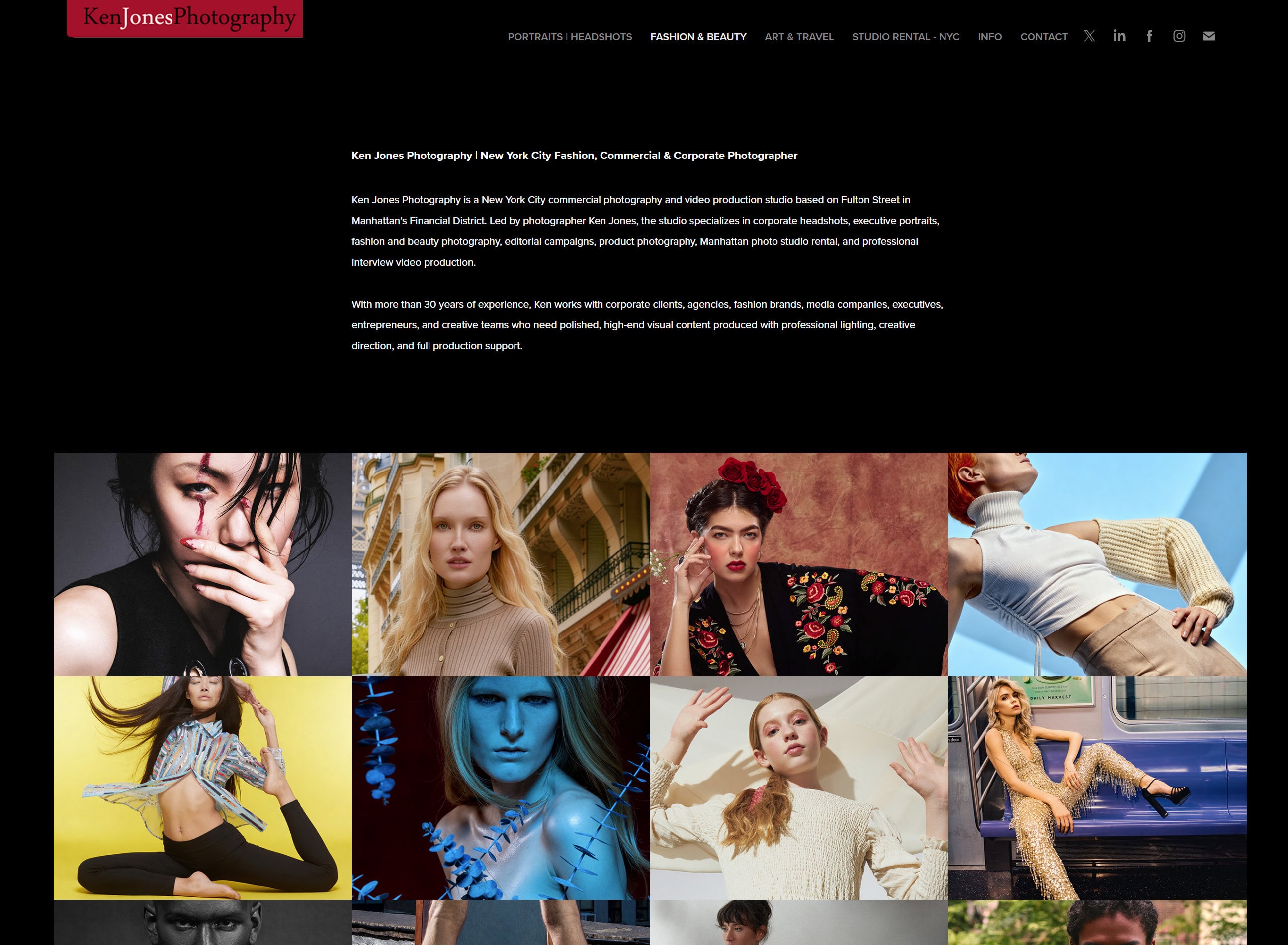
The studio offers flexible rental packages suited to projects of every scale, from a focused half-day portrait session to a full-day commercial production with multiple setups and talent. The space is equipped for natural light shooting and fully supported with professional amenities. Whether you are producing a luxury fashion editorial or a beauty campaign, the studio environment is designed to deliver. Check availability and rental details at the Manhattan studio rental page at Kenjonesnyc.
FAQ
What is a daylight studio rental?
A daylight studio rental is a rented photography or video space where natural sunlight from large windows, skylights, or glass walls serves as the primary light source. It produces soft, flattering, and authentic imagery suited for fashion, portrait, beauty, and lifestyle work.
How does a daylight studio differ from a blackout studio?
A daylight studio relies on natural light for a warm, organic look, while a blackout studio blocks all outside light for complete artificial control. Daylight studios suit authentic, lifestyle-driven imagery; blackout studios suit cinematic or technically repeatable setups.
What should I confirm before booking a daylight studio rental?
Confirm what is included in the base rate, the studio’s setup and teardown buffer policy, insurance requirements, and any overtime fees. Clear rental terms prevent surprises and protect your shoot schedule.
Can I use artificial lights in a daylight studio?
Yes. Many photographers combine natural light with flash or strobes to fill shadows and maintain consistency as the sun shifts. Natural light works best as the base, with artificial sources used to supplement and shape it.
What window orientation is best for a daylight studio?
North-facing windows provide consistent, soft natural light throughout the day and are the most reliable for scheduling. East-facing windows offer gentle morning light, and west-facing windows deliver warm, dramatic late-day light suited for golden-hour effects.
Recommended
- Ken Jones Photography | NYC Fashion, Beauty & Commercial Photographer | Manhattan Studio Rental – Studio Rental – NYC
- How to Rent a Photography Studio in NYC: 2026 Guide
- Studio Rental Contracts and Fees: A Pro’s Guide
- Ken Jones Photography | NYC Fashion, Beauty & Commercial Photographer | Manhattan Studio Rental – Studio Fashion Lookbook with Projected Window Light