
TL;DR:
- A professional headshot serves as a visual resume that influences impressions across all professional platforms. It significantly impacts career opportunities by shaping recruiter and casting director perceptions, especially given that most decision-makers process images in milliseconds. Authenticity, current appearance, and proper presentation are essential in creating an effective headshot that builds trust and credibility.
A professional headshot is a high-quality portrait that immediately signals professionalism, credibility, and approachability to recruiters, casting directors, and networking contacts. Understanding why professional headshots matter for talent goes beyond aesthetics. Your headshot is a visual resume that works silently across every platform long before you walk into a room. It appears on LinkedIn, casting sites, corporate websites, and agency submissions. Each time it does, it either builds your case or quietly undermines it.
Why do professional headshots matter for talent and recruiters?
Recruiters and casting directors make decisions faster than most people realize. Research shows that humans process headshots in as little as 100–200 milliseconds before deciding whether to review a profile further. That window is shorter than a single blink. Your headshot carries the entire weight of that first impression.
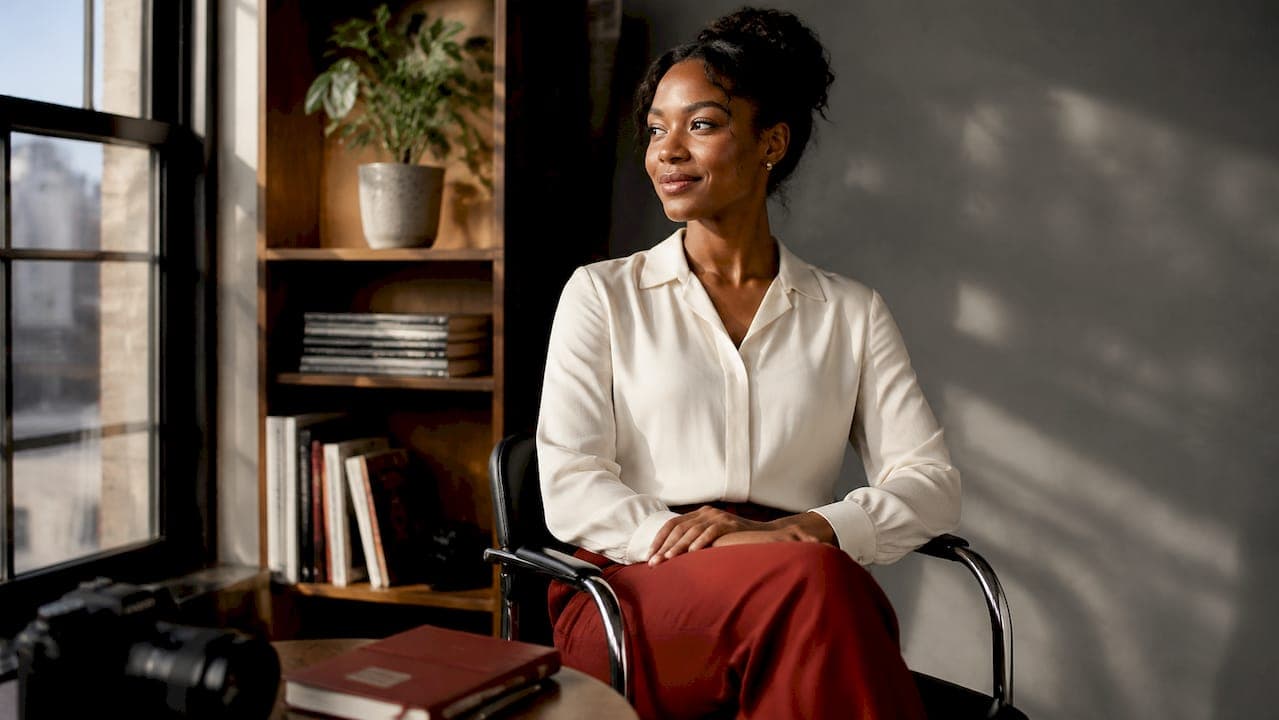
The visual cues a headshot communicates include authenticity, confidence, and approachability. A well-lit portrait with direct eye contact and relaxed posture tells a recruiter that you are composed and self-aware. A blurry, outdated, or overly filtered photo tells them the opposite, before they read a single word of your resume.
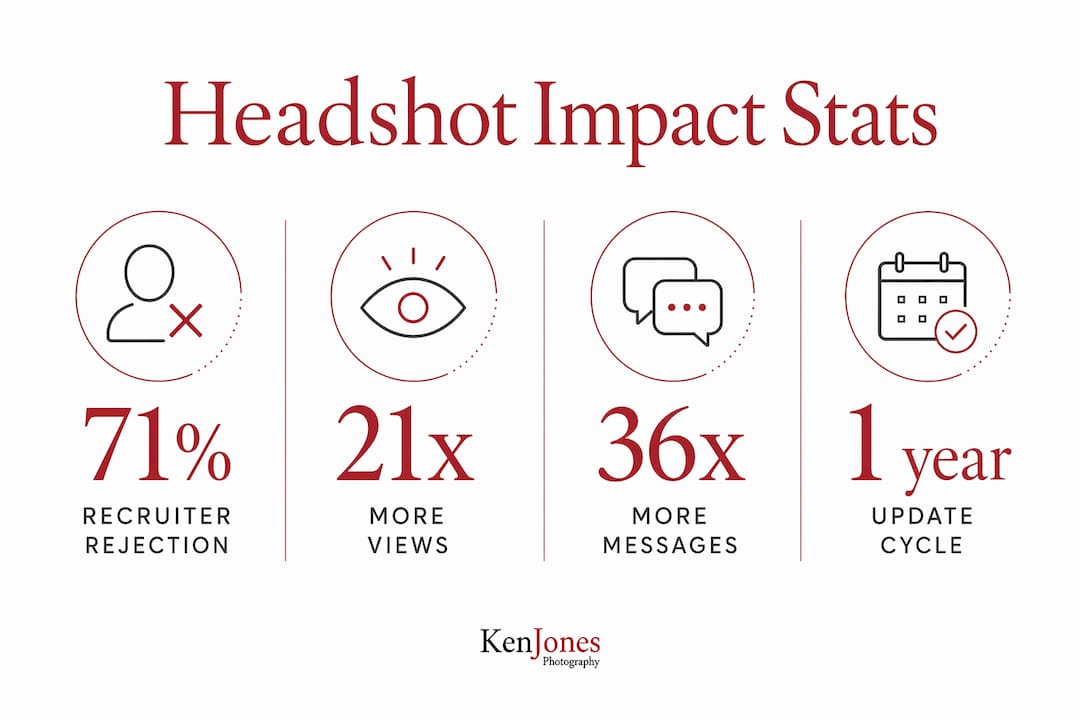
The numbers confirm the stakes. 71% of recruiters have rejected a candidate at least once based on their professional profile photo. That figure is not a warning about vanity. It reflects how deeply visual signals influence professional judgment, even among experienced hiring professionals who know better.
Casting directors operate under similar constraints. They review hundreds of submissions for a single role. A headshot that fails to communicate the right type, energy, or current appearance gets passed over immediately. The photo is not a supplement to your submission. It is the gatekeeper.
Key signals a strong headshot communicates at a glance:
- Confidence: Direct eye contact and a relaxed expression read as self-assurance, not arrogance.
- Approachability: A natural, slight smile signals warmth without sacrificing professionalism.
- Credibility: Clean background and appropriate wardrobe confirm you understand professional norms.
- Authenticity: Real skin texture and natural features tell the viewer the image is honest and current.
- Relevance: Styling aligned with your industry shows you know your market.
What makes a headshot effective by 2026 industry standards?
Authenticity is the defining standard for professional headshots in 2026. Casting directors now explicitly reject overly retouched or AI-altered images. The reason is practical, not aesthetic. A director needs to know what you actually look like before calling you in. A heavily edited photo that bears little resemblance to your in-person appearance wastes everyone’s time and damages your credibility.
This does not mean a raw, unpolished image. It means the retouching should be invisible. Freckles, natural skin texture, and distinctive features should remain intact. The goal is a polished version of your real self, not a digital reconstruction. Casting agents and agents consistently say they want to see current, everyday appearance reflected in the photo, not a version from three years ago or an idealized composite.
Composition matters as much as authenticity. Clean backgrounds, open body language, and visible eye color draw attention more effectively than busy or dramatic setups. A plain gray or white background keeps the focus on your face. Clothing should be solid-colored and industry-appropriate, without patterns or logos that distract the eye.
Lighting is where many DIY and budget headshots fall apart. Flat, overhead, or harsh lighting flattens features and creates unflattering shadows. Professional lighting builds dimension, shapes the face, and creates depth that reads well at thumbnail size on a screen. This is not a detail you can fix in post-production.
Pro Tip: Update your headshot whenever your appearance changes significantly, including a new haircut, weight change, or shift in your professional focus. A photo that no longer looks like you creates a credibility gap the moment you walk into a meeting.
Common headshot mistakes to avoid:
- Using a cropped group photo or vacation snapshot
- Wearing clothing with busy patterns, logos, or distracting accessories
- Submitting heavily filtered or AI-enhanced images
- Using a photo more than two years old
- Choosing a background that competes with your face
How do headshots compound benefits across a career?
A single quality headshot does not just make one good impression. It compounds across every profile interaction throughout a job search and career. Every time a recruiter finds your LinkedIn profile, every time a casting director pulls your submission, and every time a new contact accepts your connection request, that image is doing work.
LinkedIn data makes this concrete. Profiles with professional photos receive 21 times more views and 36 times more messages than profiles without photos. That scale of difference is not marginal. It means a talent without a professional photo is functionally invisible on the platform compared to peers who invested in one.
The compounding effect extends to career transitions. When a professional moves from one industry to another, or from a staff role to a consulting practice, their headshot signals whether they have made the shift seriously. A photo from a previous role, with the wrong wardrobe or styling, sends a mixed message. A refreshed headshot aligned with the new direction tells the market you are ready. Updating your headshot at the start of a serious job search consistently improves outcomes compared to updating late in the process.
Pro Tip: Do not wait until you are actively job hunting to update your headshot. Keep your image current so you are always ready when an opportunity appears. Reactive updates during an active search add unnecessary pressure to the process.
| Platform | How a headshot works for you |
|---|---|
| Drives 21x more profile views and 36x more messages | |
| Casting sites | Determines whether your submission gets a second look |
| Corporate website | Builds trust with clients and partners before meetings |
| Email signatures | Reinforces personal brand in every professional exchange |
| Agency submissions | Signals type, range, and current appearance at a glance |
How to prepare for a headshot session that delivers results
Preparation determines the quality of your session more than any single technical factor. The best lighting and camera equipment cannot compensate for a talent who arrives unprepared, tense, or wearing the wrong clothes. Experienced photographers who understand NYC commercial headshot sessions will tell you that collaboration and natural expression matter more than any single technical variable.
Follow these steps to get the most from your session:
-
Choose wardrobe that fits your professional brand. Bring two or three options in solid, neutral colors. Avoid white, which can blow out under studio lights, and black, which can flatten the image. Navy, charcoal, and muted tones photograph well and read as professional. Review corporate headshot wardrobe guidelines before your session if you are unsure.
-
Get a good night’s sleep before the shoot. Fatigue shows in the eyes and skin. No amount of retouching fully corrects the look of exhaustion. Hydrate well the day before and avoid alcohol the night before.
-
Arrive with a clear sense of your professional identity. Know what role or industry you are targeting. This helps your photographer direct your expression and posture toward the right energy. A corporate attorney and a commercial actor need very different reads from the same camera.
-
Communicate openly with your photographer. Tell them what you like and dislike about previous photos. Share examples of headshots you find effective. A good photographer uses that input to direct the session, not just shoot and hope.
-
Plan to update annually. Your appearance changes more than you notice from day to day. An annual session keeps your image current and prevents the credibility gap that comes from an outdated photo. Treat it as a professional maintenance cost, like updating your resume.
Pro Tip: Do not over-rehearse your expression before a session. Practiced smiles read as stiff on camera. Instead, arrive relaxed, have a short conversation with your photographer before shooting, and let the expression develop naturally during the session.
One mistake I see repeatedly in NYC: talent arrives with a rigid idea of how they want to look, based on a photo they saw online. They spend the session trying to recreate someone else’s image instead of finding their own. The best headshots come from talent who trust the process and stay present. That quality of presence is what the camera actually captures.
Key Takeaways
A professional headshot is the single most visible element of your personal brand, and its quality directly determines how often recruiters, casting directors, and professional contacts engage with your profile.
| Point | Details |
|---|---|
| Recruiters decide in milliseconds | Headshots are processed in 100–200 milliseconds, making visual quality a critical first filter. |
| Authenticity outranks perfection | Casting directors reject over-retouched images; your photo must reflect your current, real appearance. |
| LinkedIn impact is measurable | Professional photos generate 21x more views and 36x more messages on LinkedIn. |
| Headshots compound over time | Every profile interaction across LinkedIn, casting sites, and corporate pages is shaped by your image. |
| Update annually and before transitions | Outdated photos create credibility gaps that cost auditions, interviews, and connections. |
What 30 years behind the camera taught me about headshots
I have photographed talent across every category in this industry, from Fortune 500 executives in the Financial District to actors submitting to major casting agencies. The single most consistent mistake I see is talent treating the headshot as a formality rather than a professional asset.
The professionals who get the most from their sessions are the ones who understand what the image is actually doing. They know it is not a vanity project. It is a business tool. They arrive prepared, they communicate clearly, and they trust the process. The ones who struggle are usually trying to hide something, whether that is a recent change in appearance, uncertainty about their professional direction, or discomfort in front of the camera. All of that shows up in the final image.
The shift toward authenticity in 2026 is real and it is not going away. I watched the industry move through a phase where heavy retouching was standard. Casting directors and recruiters pushed back because the images stopped being useful. A photo that does not look like the person who walks through the door is not a professional asset. It is a liability.
My honest advice: invest in a quality session before you need it. The talent who updates their headshot proactively, not reactively, always has a stronger position. They are not scrambling to get new photos while actively interviewing or auditioning. Their image is already working for them. That is the compounding effect in practice, and it is the difference between talent who consistently get called in and talent who wonder why they are not.
— Ken
Kenjonesnyc headshot services for serious talent
Kenjonesnyc operates from a full-service studio in Manhattan’s Financial District, with over 30 years of experience photographing talent for corporate, commercial, and casting submissions. The studio specializes in portraits that balance polish with authenticity, the exact combination that recruiters and casting directors respond to.
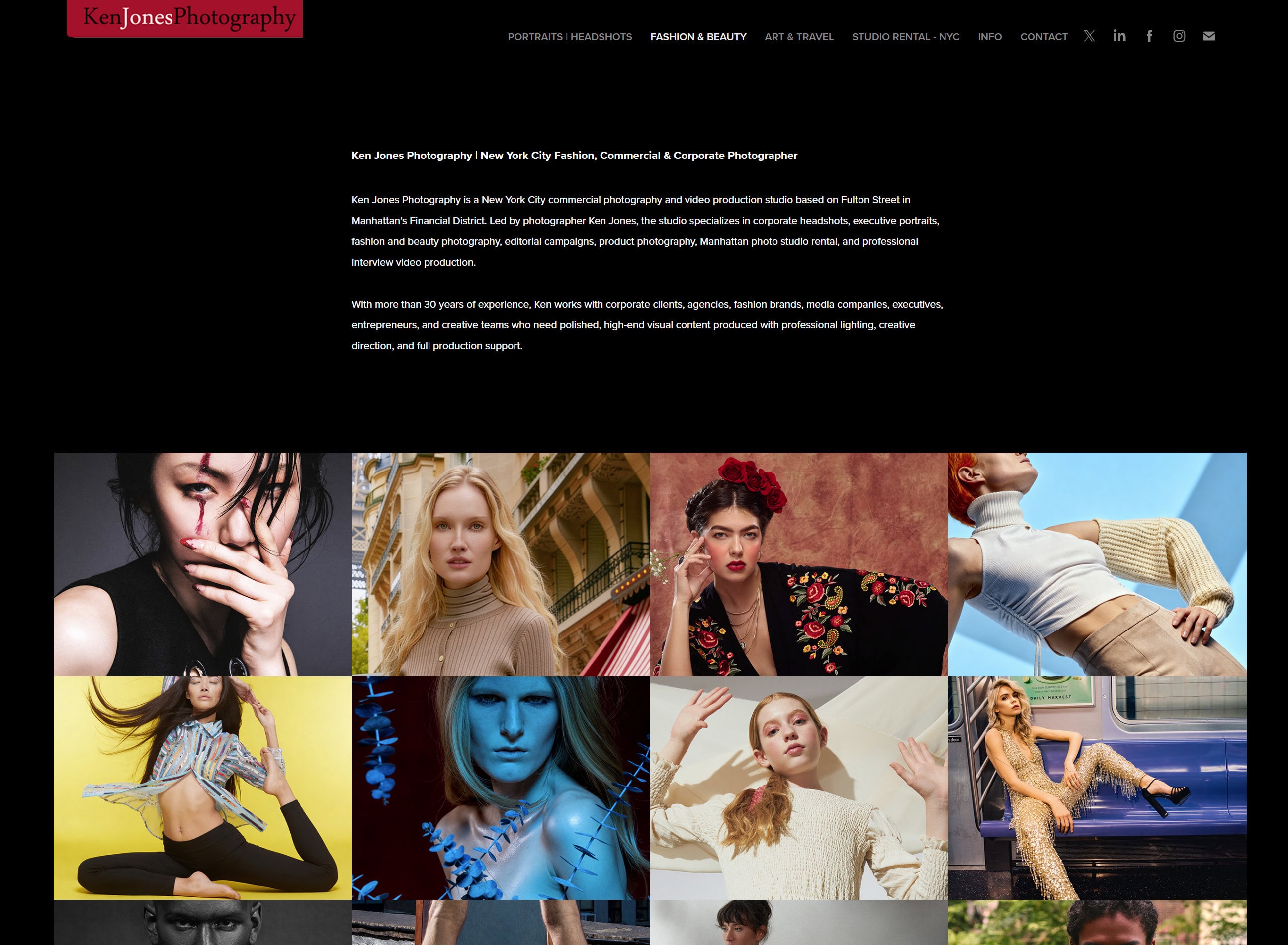
Whether you are a working actor refreshing your submission photos, an executive building a stronger LinkedIn presence, or a professional making a career transition, Kenjonesnyc brings the creative direction and technical depth to produce images that perform. The studio’s NYC headshot services cover corporate portraits, executive headshots, and environmental lifestyle portraits tailored to your professional goals. You can also explore the full range of portrait and headshot work to see the standard of imagery the studio delivers. Contact Kenjonesnyc at kenjonesnyc.com to discuss your session.
FAQ
Why do professional headshots matter so much for talent?
A professional headshot is the first visual signal recruiters and casting directors receive. Research shows 71% of recruiters have rejected a candidate based on their profile photo, making image quality a direct factor in career outcomes.
How often should talent update their headshots?
Talent should update their headshot at least once a year, or whenever their appearance changes significantly. An outdated photo creates a credibility gap between your online profile and your in-person appearance, which can cost auditions and interviews.
What do casting directors look for in a headshot in 2026?
Casting directors prioritize authenticity and current appearance. They actively reject over-retouched or AI-altered images because those photos do not give them an accurate read of the talent they are considering.
Does a professional headshot really affect LinkedIn performance?
Yes. LinkedIn profiles with professional photos receive 21 times more views and 36 times more messages than profiles without photos. That gap makes a professional image one of the highest-return investments on the platform.
What is the biggest mistake talent make with headshots?
The most common mistake is using an outdated or heavily edited photo. Both create a mismatch between expectation and reality, which damages trust with recruiters, casting directors, and professional contacts before any conversation begins.