
TL;DR:
- Commercial photography aims to promote, sell, or advertise products and services for measurable business results. It differs from editorial work which informs or tells stories without a direct sales purpose and requires different legal releases. Proper planning, clear objectives, and signed releases are essential to ensure legal use and effective marketing outcomes.
Commercial photography is defined as imagery created specifically to promote, advertise, or sell a product, service, or brand. Unlike fine art or personal photography, every frame in a commercial shoot exists to drive a measurable business outcome. Businesses using professional commercial imagery can increase conversion rates by up to 30%, achieving an average ROI of 4:1 through stronger customer engagement across digital and print channels. That number tells you something important: the right photograph is not a decoration. It is a sales tool. This guide breaks down the commercial photography definition, its major types, legal requirements, and how to hire the right photographer for your brand.
What is commercial photography and how does it differ from editorial?
Commercial photography is the practice of producing images with a direct business purpose, whether that means selling a product, building brand recognition, or supporting an advertising campaign. The industry term used by photographers, agencies, and licensing attorneys is “commercial photography,” and it carries specific legal and contractual meaning that separates it from editorial or fine art work.
Editorial photography, by contrast, appears in magazines, newspapers, and online publications to inform or tell a story. It does not require model or property releases in most cases because it is not used to sell anything. Commercial photography requires those releases without exception. A portrait of a CEO published in a magazine article is editorial. That same portrait used on the company’s website or in a recruitment ad is commercial.
The distinction matters more than most clients realize. Treating editorial imagery as commercial content leads to marketing failures despite aesthetic quality, because commercial photos must be outcome-oriented and conversion-focused. A beautiful image that does not communicate a brand’s value proposition or prompt a buying decision has not done its job.
Pro Tip: Before your first conversation with a photographer, write down the one action you want a viewer to take after seeing the image. That single answer will shape every creative decision on the shoot.
What types of commercial photography serve different business goals?
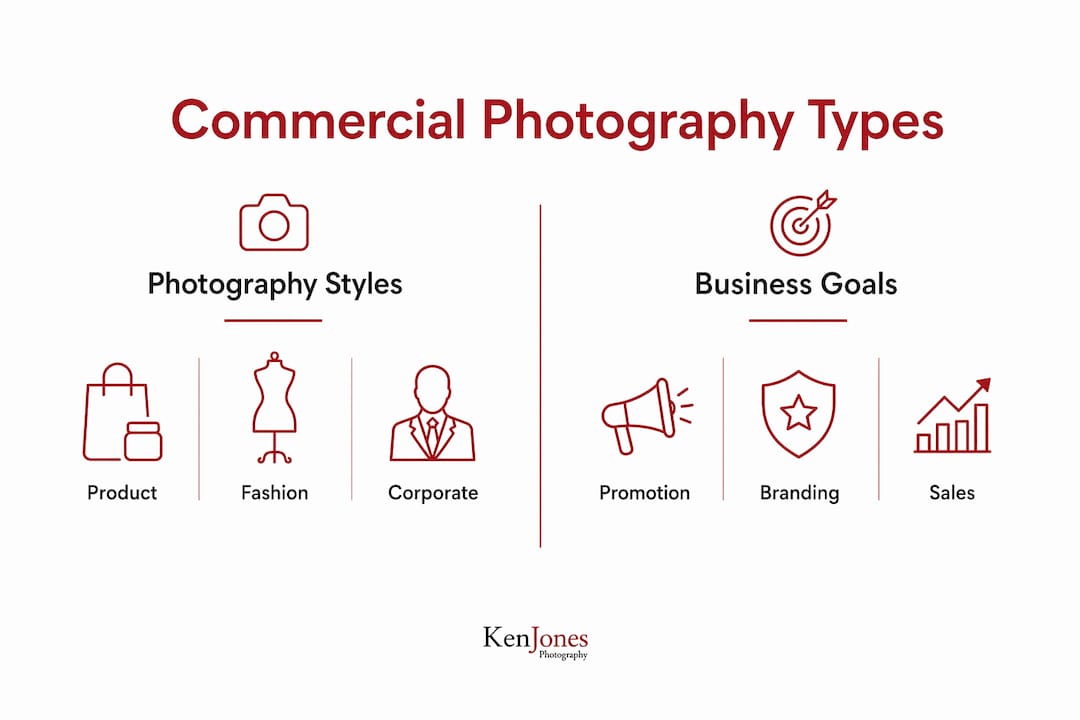
Commercial photography specializations include product, lifestyle, fashion, corporate, and industrial photography, each tailored to marketing rather than artistic expression. Understanding which type fits your campaign prevents wasted budget and misaligned creative direction.
Product photography
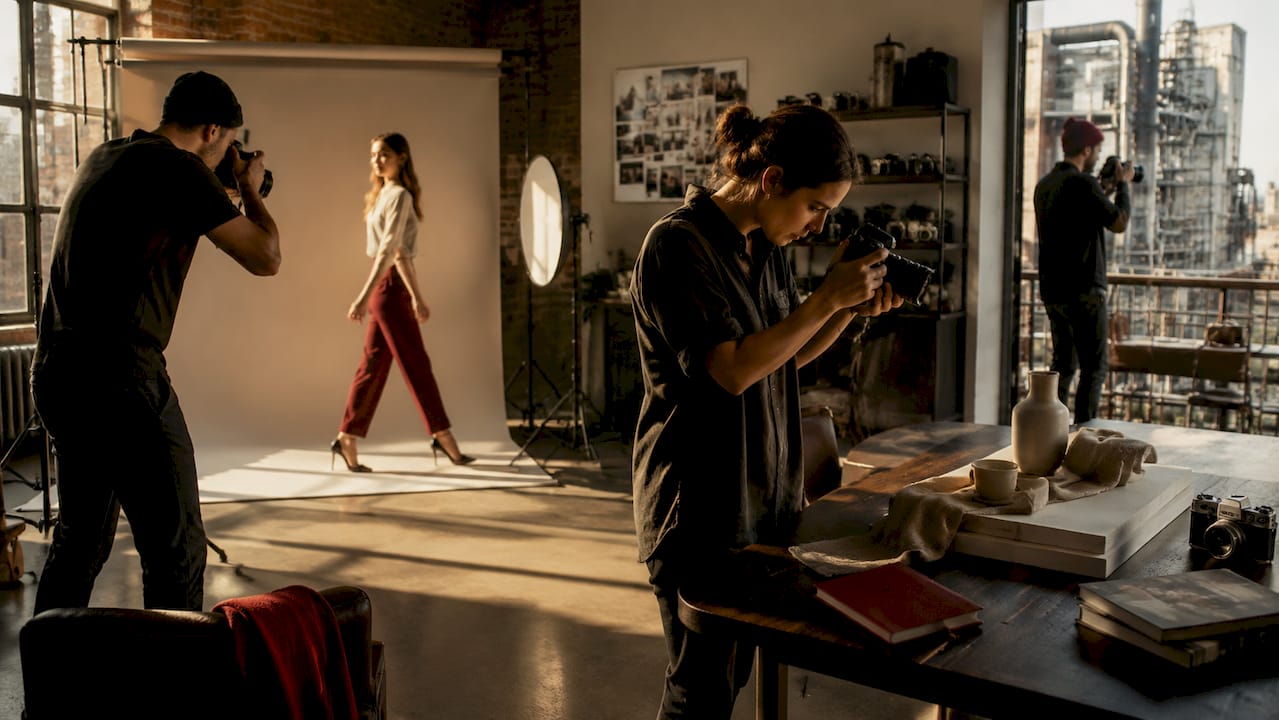
Product photography covers e-commerce listings, print catalogs, and packaging. The goal is simple: show the product accurately and attractively enough to close a sale. Amazon sellers, luxury goods brands, and consumer packaged goods companies all rely on this category. A skincare brand shooting for Sephora’s website needs clean, consistent imagery on white backgrounds. The same brand shooting for a print campaign needs lifestyle context, a model, and a mood.
Corporate and executive photography
Corporate photography includes executive headshots, team portraits, environmental office shots, and annual report imagery, all serving business purposes. A well-produced executive portrait communicates authority and approachability simultaneously. Law firms, financial institutions, and tech companies in Manhattan invest heavily in this category because their clients judge credibility from a LinkedIn profile before a first meeting ever happens.
Fashion and lifestyle photography
What is commercial fashion photography? It is imagery produced for fashion brands, retailers, and advertisers to sell clothing, accessories, or a lifestyle associated with a brand. This is distinct from editorial fashion photography, which tells a story for a magazine without a direct sales mandate. Commercial fashion photography appears in lookbooks, e-commerce sites, social media campaigns, and billboards. Kenjonesnyc has produced commercial fashion work globally, from studio shoots in Manhattan’s Financial District to location work across multiple countries.
Industrial and architectural photography
Industrial photography documents manufacturing facilities, equipment, and processes for corporate communications, annual reports, and trade publications. Architectural commercial photography serves real estate developers, hospitality brands, and interior design firms. Both categories require technical lighting knowledge and the ability to make functional spaces look compelling.
Here is a quick comparison of the major types:
| Type | Primary use | Key requirement |
|---|---|---|
| Product photography | E-commerce, catalogs, packaging | Accurate color, clean composition |
| Corporate/executive | Websites, LinkedIn, annual reports | Professional lighting, consistent style |
| Commercial fashion | Lookbooks, ads, retail campaigns | Styling, casting, brand alignment |
| Lifestyle | Social media, brand storytelling | Authentic mood, audience relevance |
| Industrial/architectural | Trade publications, corporate comms | Technical lighting, wide-angle precision |
How does commercial photography drive marketing success?
Great commercial photography communicates brand mood and values in an accessible way, directly influencing consumer buying decisions. This is not a soft claim. Visual content is the first filter a consumer applies before reading a single word of copy.
The benefits of professional product photography for sales are well documented. Businesses that invest in professional commercial imagery report stronger engagement across every channel, from paid social to email campaigns to retail point-of-sale displays. The 4:1 ROI figure reflects the compounding effect of imagery that works across multiple touchpoints simultaneously.
Commercial photographers combine technical lighting artistry with business knowledge to ensure each image drives a measurable marketing action. That combination is what separates a commercial photographer from a skilled hobbyist. Lighting a product to sell it requires understanding how the image will be reproduced, at what size, on what surface, and for which audience.
Effective commercial photography also supports different stages of the customer journey:
- Awareness stage: Lifestyle and brand imagery that builds recognition and emotional connection
- Consideration stage: Product detail shots, comparison imagery, and editorial-style brand content
- Decision stage: Clean product photography, trust-building executive portraits, and social proof imagery
- Retention stage: Behind-the-scenes content, team photography, and consistent brand visuals
“Effective commercial photos do more than look polished; they strategically communicate brand values and persuade consumers in a nuanced visual language.” — fordlafemme.com
Aligning the photography brief with the customer journey and campaign goals is critical. Commercial photographers act as strategic partners rather than just image producers. The best shoots start with a marketing conversation, not a lighting conversation.
Pro Tip: Share your campaign platform and audience demographics with your photographer before the creative brief is written. A photo optimized for Instagram Stories has different framing, color treatment, and aspect ratio than one built for a full-page magazine ad.
What are the legal and licensing requirements in commercial photography?
Commercial photography requires explicit signed releases for model and property usage. Without these, images cannot be lawfully used for commercial promotion. This is one of the most overlooked risks in commercial production, and it is entirely avoidable with proper planning.
The legal framework for commercial photography rests on three pillars:
-
Model releases: Any identifiable person appearing in a commercial image must sign a release granting the client the right to use their likeness for promotional purposes. This applies to professional models, employees, and any bystander who appears in a lifestyle shot on a public street.
-
Property releases: Buildings, artwork, branded products, and private locations may require written permission from the owner before their image can be used commercially. A shoot at a recognizable Manhattan rooftop, for example, requires a property release from the building owner.
-
Copyright and usage rights: The photographer typically owns the copyright to images unless a work-for-hire agreement transfers ownership to the client. Usage rights define where, how long, and in what media the images can appear. A license for web use does not automatically cover print, broadcast, or out-of-home advertising.
Without clear, signed model and property releases, commercial images are legally unusable even if visually perfect. That is a costly risk businesses often overlook. A fashion brand that shoots a campaign without proper model releases cannot run the campaign, regardless of how good the images look.
Pro Tip: Ask your photographer to confirm that all releases are collected and filed before the shoot wraps. Chasing signatures after the fact is time-consuming and sometimes impossible if talent has moved on.
The difference between a commercial license and an editorial license also affects stock photography purchases. Images licensed for editorial use on Getty Images or Shutterstock cannot be repurposed for advertising without upgrading to a commercial license and paying the associated fees. Brands that skip this step face legal exposure.
How do you hire a commercial photographer for your brand?
Commercial photography production requires extreme clarity on campaign platform, audience, and goal prior to creative planning. This differentiates it from fine art or personal photography. Hiring the right photographer starts with knowing what you need the images to accomplish.
Evaluating a photographer’s portfolio
Look for work that matches your industry and output format. A photographer with a strong fashion editorial portfolio may not be the right choice for product photography, and vice versa. Review their advertising campaign work to assess whether they understand brand storytelling at a commercial level. Ask specifically about shoots that were similar in scope to yours.
Questions to ask before booking
- What platforms will these images appear on, and have you shot for those formats before?
- How do you handle model and property releases on your productions?
- What does your post-production process include, and what is the retouching turnaround?
- Do you offer full-service production, including casting, styling, and location scouting?
- How do you structure usage rights in your contracts?
Budgeting and scheduling
Commercial photography pricing reflects the complexity of the production, not just the photographer’s day rate. A single-product e-commerce shoot costs far less than a full fashion campaign with models, stylists, hair and makeup, and a location permit. Build your budget around the final deliverable, not the shoot day alone. Post-production, retouching, and licensing fees are real costs that belong in the line items from the start.
Commercial photography is a collaborative technical process focused on solving marketing challenges with clear goals before creative decisions like lighting and composition. The most productive client relationships are the ones where the brand arrives with a clear brief and trusts the photographer to execute it with creative authority.
A common mistake: clients who arrive on set without a finalized brief and expect the photographer to make strategic decisions on the fly. That approach produces beautiful images that do not serve the campaign. Kenjonesnyc handles full-service production from casting through final retouching, which means the creative and strategic alignment happens before anyone steps on set.
Pro Tip: Review your photographer’s environmental and lifestyle portrait work alongside their studio work. A photographer who can control both environments gives you more flexibility when campaign needs change.
Key takeaways
Commercial photography is the most direct investment a brand can make in its visual identity, and every dollar spent on it should be tied to a specific marketing outcome.
| Point | Details |
|---|---|
| Definition is outcome-driven | Commercial photography exists to sell, promote, or advertise, not to express artistic vision. |
| Types serve different goals | Product, corporate, fashion, lifestyle, and industrial photography each align with distinct marketing objectives. |
| Legal compliance is non-negotiable | Signed model and property releases are required before any commercial image can be published or distributed. |
| ROI is measurable | Professional commercial imagery can increase conversion rates by up to 30% with an average 4:1 return on investment. |
| Strategic briefing comes first | Define your campaign platform, audience, and goal before any creative or lighting decisions are made. |
What 30 years of commercial shoots in NYC taught me
Most clients come to me thinking commercial photography is about making things look good. After three decades shooting in Manhattan, I can tell you the real job is making things work. Those are two very different briefs.
Early in my career, I shot a product campaign for a clothing brand that was genuinely proud of the images. The lighting was clean, the models were strong, and the styling was on point. The campaign underperformed. When we reviewed the work together, the problem was obvious: the images were built for a magazine spread, not for the e-commerce pages where they actually ran. The crops were wrong, the negative space was in the wrong corners, and the color palette read beautifully in print but looked flat on screen. Nobody had asked those questions before the shoot.
That experience changed how I run every production. The first conversation is always about where the image lives and what it needs to make a viewer stop scrolling. Lighting and composition come after that. A commercial photographer who starts with aesthetics before strategy is working in the wrong order.
The other thing I have seen consistently is that clients underestimate the value of brand visual consistency. One great image does not build a brand. A library of images that share the same lighting logic, color temperature, and compositional style does. That consistency is what makes a brand look expensive, even before a consumer reads the price tag.
Invest in the brief as much as you invest in the shoot day. The images will show it.
— Ken
Commercial photography services at Kenjonesnyc
Kenjonesnyc is a full-service commercial photography studio based in Manhattan’s Financial District, with over 30 years of production experience across fashion, beauty, product, and corporate campaigns.
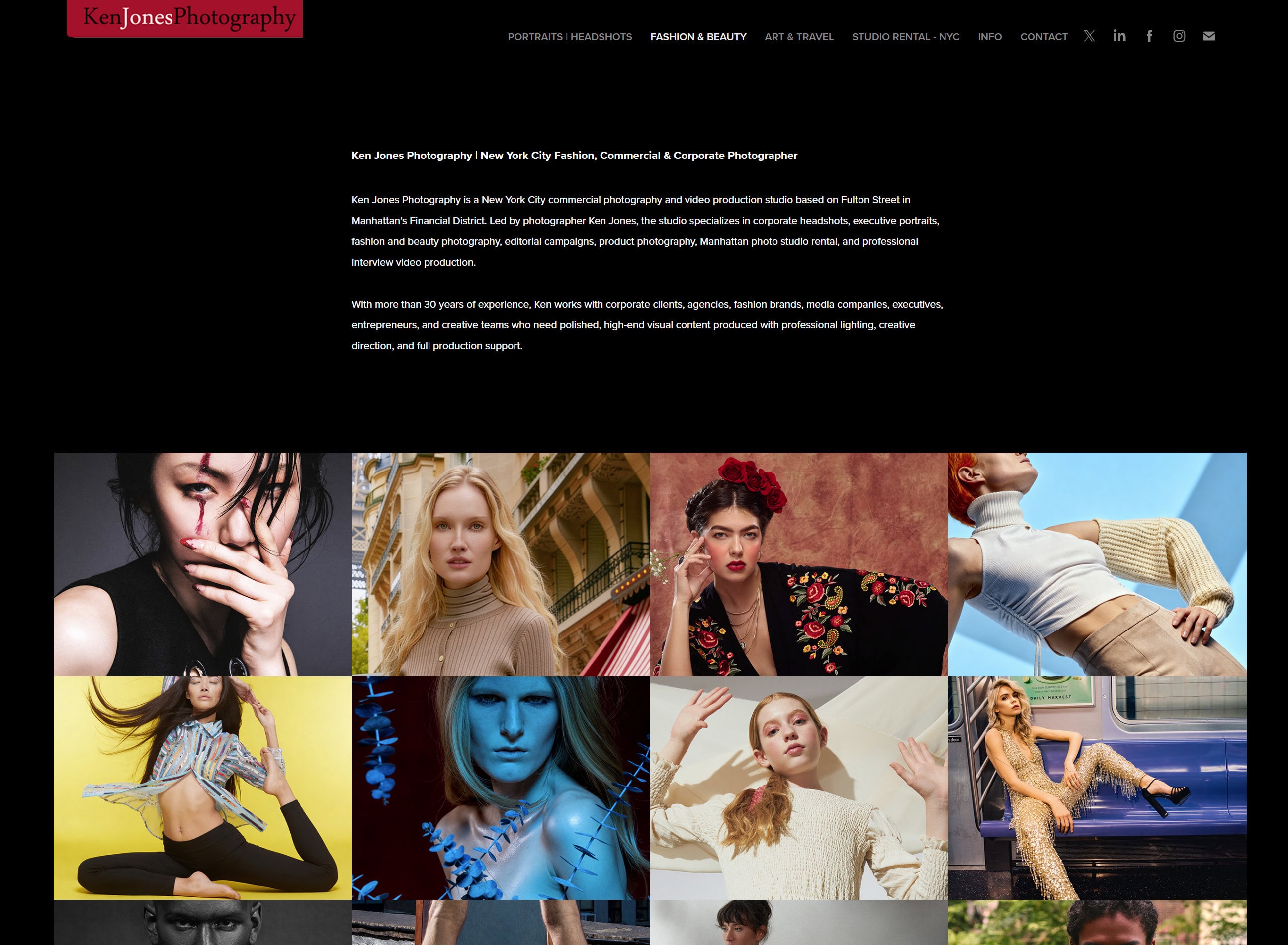
The studio handles advertising campaign photography from concept through final delivery, including casting, styling, location work, and retouching. Whether you need luxury product and e-commerce imagery or polished corporate headshots, the production process is built around your campaign goals, not a generic template. The Manhattan studio is also available for rental, giving production teams a professional environment with full lighting infrastructure in the heart of New York City. Contact Kenjonesnyc at kenjonesnyc.com to review the portfolio and discuss your next project.
FAQ
What is the commercial photography definition?
Commercial photography is imagery produced specifically to promote, advertise, or sell a product, service, or brand. It requires commercial licenses, model releases, and property releases that editorial photography does not.
What industries use commercial photography?
Fashion, retail, technology, finance, real estate, healthcare, and hospitality all rely on commercial photography for advertising, e-commerce, corporate communications, and brand marketing.
What is commercial fashion photography?
Commercial fashion photography produces images for fashion brands, retailers, and advertisers to sell clothing or accessories, or to build brand identity. It differs from editorial fashion photography, which tells a story for a publication without a direct sales objective.
Do I own the photos after a commercial shoot?
Not automatically. The photographer typically retains copyright unless a work-for-hire agreement is signed. Usage rights in the contract define where, how long, and in what media the images can appear.
How much does commercial photography cost?
Pricing varies widely based on production complexity, usage rights, and deliverables. A simple product shoot costs far less than a full fashion campaign with models, stylists, and location permits. Post-production and licensing fees are separate line items that belong in the budget from the start.