

TL;DR:
- Executive headshots are essential for projecting a professional identity across platforms like LinkedIn, lasting two to five years. Proper preparation in wardrobe, grooming, background, posing, and logistics ensures the images convey confidence and approachability without appearing staged. Careful planning, including timely grooming and wardrobe choices, along with strategic posing and background selection, significantly enhances the final result.
Executive headshots are defined as professional portraits specifically produced to represent your personal brand across LinkedIn, company websites, press releases, and speaking engagements. A single image carries your professional identity for two to five years, which means the preparation you put in before the session determines the quality of every impression that follows. Knowing how to prepare for executive headshots covers five distinct areas: wardrobe, grooming, location and background, posing, and day-of logistics. Get all five right, and the result is a photograph that reads as confident, approachable, and credible without looking staged.
Understanding what a professional corporate headshot actually requires changes how seriously executives treat preparation. Most people underestimate how much the camera amplifies small details, from a wrinkled collar to a slightly tense jaw. The photographers and stylists who work in Manhattan’s Financial District and Midtown studios see the same preventable mistakes on nearly every shoot. This guide addresses all of them, with specific, practical advice drawn from real production experience.

How to prepare for executive headshots: wardrobe that works on camera
Wardrobe is the single most controllable variable in executive headshot preparation, and it is also where most clients make their worst decisions. Solid, mid-tone colors photograph best because they hold detail in both highlights and shadows without overwhelming the face. Avoid pure white or black as primary garments. Pure white blows out under studio lighting and creates harsh contrast against skin tones, while pure black absorbs light and flattens the body’s shape.
Fit matters more than brand or price. A well-tailored blazer from a mid-range retailer reads better on camera than an expensive but ill-fitting designer jacket. Avoid clothing you have never worn before. New clothes carry unfamiliar stiffness, and you will spend mental energy managing the garment instead of focusing on your expression. Industry-appropriate formality matters too. A C-suite executive at a financial firm needs a different look than a creative director at a design agency, and the wardrobe should reflect that distinction without being a costume.
Layering adds visual depth and gives the photographer options. A blazer over a button-down, or a structured jacket over a simple blouse, creates dimension that a single flat layer cannot. Accessories should stay minimal. Avoid shiny or oversized jewelry that catches light and pulls the viewer’s eye away from your face. Small stud earrings, a simple watch, and a clean collar work consistently well.
- Choose solid colors in navy, charcoal, burgundy, forest green, or soft gray
- Avoid logos, bold patterns, and horizontal stripes
- Bring two complete outfit options to the session
- Steam or press everything the night before, not the morning of
- Skip new shoes if they will appear in the frame
Wrinkles in clothing rank as the top retouching request photographers receive after executive sessions. That single fact should motivate every executive to steam their outfits the night before and hang them carefully. Retouching wrinkles takes time and money, and it rarely looks as clean as a properly pressed garment photographed in the first place.
Pro Tip: Bring a lint roller, a small steamer if you have one, and a backup shirt or blouse in a different color. Photographers can adjust lighting to complement your second outfit in under five minutes, and having that option on set has saved dozens of sessions from looking one-dimensional.

How to plan grooming and skin prep ahead of your session
Grooming preparation for executive headshots begins at least a week before the shoot, not the morning of. Schedule haircuts 3 to 7 days before the session so the cut has time to settle into a natural shape. A fresh haircut photographed the same day often looks harsh, with visible lines and an overly structured appearance that reads as stiff rather than polished. For men with facial hair, trim or shape the beard the day before the shoot, not the day of, to avoid razor irritation showing up as redness on camera.
Skin preparation starts 48 hours out. Hydrate consistently and get 7 to 8 hours of sleep the night before the session. Under-eye bags and skin redness caused by poor sleep are genuinely difficult to retouch cleanly. Lighting and post-production can soften many imperfections, but they cannot fully replace what good rest provides. On the morning of the shoot, avoid heavy moisturizers or new skincare products. Unfamiliar products can cause unexpected shine, breakouts, or flaking that shows up clearly under studio lights.
Makeup for executive headshots should enhance your everyday appearance, not transform it. The goal is to look like the best version of yourself, not a different person. Matte foundation controls shine without looking flat. Subtle contouring and neutral lip colors work consistently well. Avoid glitter, shimmer, or dramatic eye looks unless your industry specifically calls for them.
- Apply matte foundation or powder to reduce shine on the forehead, nose, and chin
- Keep lip color neutral and close to your natural tone
- Avoid shimmer or glitter on any part of the face
- Bring blotting papers to the session for touch-ups between shots
- Men should consider a light translucent powder to reduce forehead shine under hot studio lights
Glasses wearers need specific preparation. Clean your lenses thoroughly before arriving and notify the photographer if your frames have anti-reflective coating. That single piece of communication reduces glare-related retakes significantly and keeps the session moving efficiently. If you wear progressive lenses, let the photographer know so they can adjust your chin angle to avoid the distortion that sometimes appears in the lower portion of the lens.
Pro Tip: In NYC studio shoots, the temperature under professional lighting rigs runs warmer than most clients expect. Bring a small travel fan or ask the studio if they have one. Staying cool keeps your skin from producing excess oil mid-session, which means fewer powder touch-ups and more consistent shots across the full session.
What background options work best for executive headshots?
Background selection shapes how your headshot performs across different platforms and how long it remains usable as your career evolves. The three main options are neutral studio backgrounds, environmental or location-based backgrounds, and branded or company-color backgrounds. Each serves a different purpose, and choosing the wrong one for your intended use is a common and costly mistake.
Neutral studio backgrounds in gray, beige, or off-white are the most versatile choice for individual executives. They work on LinkedIn, company websites, press kits, and speaker bios without competing with the subject. Neutral backgrounds also age well. If you change roles or industries, the image remains usable because nothing in the background dates it to a specific company or location.
Environmental backgrounds, such as a Manhattan office lobby, a library, or an outdoor urban setting, add narrative context and personality. They work well for executives in creative, consulting, or client-facing roles where personality is part of the brand. The risk is that environmental backgrounds can date a photo quickly. A specific office interior becomes recognizable, and if you leave that company, the image carries visual baggage that a neutral background never would.
| Background type | Best use case | Longevity | LinkedIn suitability |
|---|---|---|---|
| Neutral studio (gray, beige, white) | Individual executives, press, speaker bios | High | Excellent |
| Environmental (office, urban, outdoor) | Creative, consulting, client-facing roles | Medium | Good with caveats |
| Branded/company color | Team pages, internal directories | Low for individuals | Not recommended |
Studio lighting is the standard for executive and team headshots because it produces consistent, controllable results. Environmental light shifts throughout the day and varies by weather, which creates obvious tonal differences between team members photographed at different times. For any company shooting multiple executives in a single session, studio lighting is not optional. It is the only way to achieve the visual consistency that makes a leadership page look cohesive rather than assembled from different shoots.
Pro Tip: If you are part of a team shoot, ask your photographer to share a lighting and background reference image before the session. Wardrobe and background function as a cohesive visual system for group photos. Knowing the background color in advance lets each team member choose clothing that complements rather than clashes with the overall palette.
What posing and expression make the best executive headshot?
Posing for executive headshots is not about striking a dramatic stance. It is about making small, deliberate adjustments that communicate confidence and approachability without looking rehearsed. The most effective starting position places your shoulders at roughly a 30-degree angle to the camera rather than square-on. A square-on stance reads as confrontational or stiff. Angling the body slightly and leaning forward a few inches creates a sense of engagement that a flat, parallel pose never achieves.
The jaw position is one of the most overlooked elements in executive photo preparation. Pushing the chin slightly forward and angling it down defines the jawline and eliminates the double-chin effect that appears when the head tilts back even slightly. This single adjustment transforms a significant percentage of headshots from acceptable to genuinely strong. Practice it in a mirror before the session so it feels natural rather than forced when the camera is on you.
- Stand or sit with shoulders angled approximately 30 degrees from the camera
- Lean your upper body forward slightly to create engagement
- Push your chin forward and angle it slightly down to define the jawline
- Relax your eyes into a soft, focused expression rather than a wide-open stare
- Take a slow breath before each shot to release tension in the jaw and shoulders
- Match your expression to your professional role: authority-forward for board-level executives, warmer and more open for client-facing or team-leadership roles
Eye expression carries more weight than most executives realize. A wide-eyed stare reads as anxious or surprised rather than confident. The technique sometimes called “squinching,” which involves a slight engagement of the lower eyelid without fully squinting, creates a focused, grounded look that photographs well across a range of lighting setups. Practice this in natural light at home. It feels unnatural at first, but it becomes instinctive after a few minutes of practice.
Subtle posture adjustments during a studio session make the difference between capturing genuine confidence and capturing stiffness under bright lights. The best expressions in any executive session happen in the moments between posed shots, when the subject is responding to something the photographer said or laughing at a comment. A good photographer creates those moments deliberately. Your job is to stay relaxed enough to let them happen.
Pro Tip: Between shots, drop your shoulders completely, shake out your hands, and take one full breath. Tension accumulates in the shoulders and jaw faster than most people notice, and it shows up clearly in the final images. Resetting physically every few frames keeps your expression fresh and your posture open throughout the session.
How to prepare on the day of your executive headshot session
Day-of preparation for a headshot session is about arriving ready and staying organized so you can focus entirely on the shoot itself. Arrive 10 to 15 minutes early to acclimate to the studio environment, review your outfit choices with the photographer, and handle any last-minute adjustments before the camera is on. Rushing into a session without that buffer produces tense, distracted images.
Pack a small kit the night before and bring it to the session without exception:
- Lint roller for last-minute clothing touch-ups
- Blotting papers or translucent powder for shine control
- Lip balm in a neutral shade
- A small water bottle to stay hydrated during the session
- A backup outfit option in a different color
- Any glasses you plan to wear, cleaned and ready
Communicate your goals clearly to the photographer before the first shot is taken. Describe the platforms where the image will be used, the tone you want to project, and any specific concerns you have about your appearance or past photos. This conversation takes five minutes and saves significant time during the session. Effective communication with your photographer about details like glasses, anti-reflective coatings, and preferred expressions reduces retakes and keeps the session focused.
Request to see test shots within the first ten minutes. Most photographers expect this and welcome the feedback. Seeing an early frame lets you catch wardrobe issues, lighting adjustments, or expression problems before they run through the entire session. Give candid, specific feedback. “The collar is folding” or “I look tense around the eyes” is far more useful than a vague “I don’t love it.”
Avoid scheduling the session immediately before or after a high-pressure meeting or deadline. Stress shows in the face and body in ways that are genuinely difficult to correct in post-production. If possible, keep the morning of the shoot clear and treat the session as a standalone professional commitment.
Key takeaways
Effective executive headshot preparation combines wardrobe planning, timed grooming, background selection, and deliberate posing to produce a polished image that performs across every professional platform.
| Point | Details |
|---|---|
| Wardrobe: solid mid-tones win | Choose navy, charcoal, or gray and bring two outfit options to every session. |
| Groom 3 to 7 days out | Schedule haircuts and beard trims before the shoot so hair settles naturally. |
| Match background to usage | Neutral studio backgrounds outlast environmental or branded options for individual executives. |
| Posture and jaw position matter | Angle shoulders 30 degrees, push chin forward, and lean slightly in for a confident look. |
| Arrive early and communicate | Share your goals with the photographer before the first shot to reduce retakes and wasted time. |
What I’ve learned from 30 years of executive headshot sessions
The most common mistake I see executives make is treating the headshot session as an afterthought. They book the session, show up in whatever they wore to their morning meeting, and expect the photographer to fix everything in post. That is not how it works. Retouching handles temporary issues like a small blemish or a stray hair. It does not fix a wrinkled shirt, a poorly fitted jacket, or the visible tension of someone who did not sleep the night before.
The second most common mistake is waiting too long to address grooming. I have had clients arrive with a haircut from that same morning, and the difference between a fresh-cut look and hair that has had a week to settle is visible in every frame. The same applies to facial hair. A beard trimmed the morning of the shoot often shows razor irritation that reads as redness under studio lights. These are not difficult problems to avoid. They just require planning a week out rather than the night before.
What I find most satisfying about executive headshot sessions is the moment a client relaxes into the shoot. It usually happens about 15 minutes in, after they have seen a few test shots and realized the camera is not as unforgiving as they feared. That is when the real session begins. The images from those final 20 minutes are almost always the strongest ones. The expression is genuine, the posture is open, and the confidence reads as earned rather than performed.
One thing I tell every executive before we start: the goal is not to look like a different, more polished version of yourself. The goal is to look like the most credible, approachable version of who you actually are. That distinction changes how people carry themselves in front of the camera, and it shows in the final image every time.
— Ken
Work with Kenjonesnyc for executive headshots in Manhattan
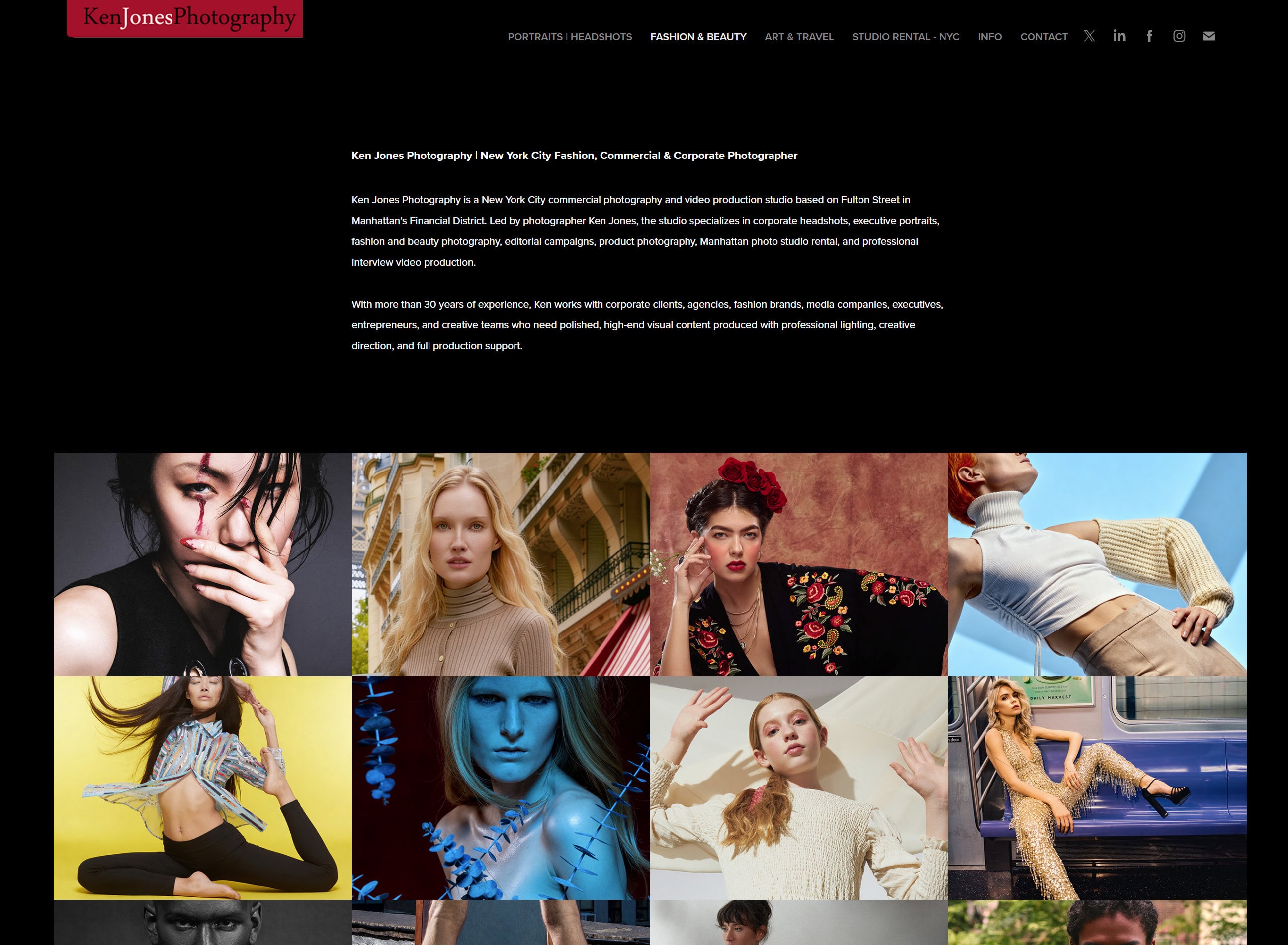
Kenjonesnyc has produced executive and corporate headshots for professionals across finance, law, media, and technology from a full-service studio in Manhattan’s Financial District for over 30 years. Every session includes lighting setup tailored to your coloring and wardrobe, posing guidance throughout, and retouching focused on presenting your best natural appearance. Whether you need a single polished portrait for LinkedIn or a consistent set of images across an entire leadership team, the studio handles the full production from concept to final delivery. Explore executive headshot services or review the corporate headshots NYC portfolio to see the range of work and get in touch to discuss your session.
FAQ
What should I wear for executive headshots?
Wear solid, mid-tone colors such as navy, charcoal, or gray, and avoid pure white, pure black, logos, and bold patterns. Bring two complete outfit options to the session so the photographer can choose what works best with the lighting and background.
How far in advance should I schedule a haircut before my headshot session?
Schedule your haircut 3 to 7 days before the session so the cut has time to settle into a natural shape. A haircut taken the same day or the day before often looks too structured and can read as stiff in photographs.
What background is best for a LinkedIn executive headshot?
A neutral studio background in gray, beige, or off-white is the most versatile and long-lasting choice for LinkedIn. Neutral backgrounds work across platforms, age well as your career evolves, and keep the focus entirely on your face.
How do I avoid looking stiff or nervous in my executive headshot?
Angle your shoulders about 30 degrees from the camera, lean slightly forward, and push your chin forward and down to define the jawline. Between shots, drop your shoulders, shake out your hands, and take a full breath to release accumulated tension.
How long does a typical executive headshot session take?
Individual sessions typically run 20 to 60 minutes depending on the number of looks and background setups. Arriving 10 to 15 minutes early to review wardrobe and discuss goals with the photographer makes the session itself run faster and produces better results.
Recommended
- Ken Jones Photography | NYC Fashion, Beauty & Commercial Photographer | Manhattan Studio Rental – 7 Questions to Ask Your Headshot Photographer
- Ken Jones Photography | NYC Fashion, Beauty & Commercial Photographer | Manhattan Studio Rental – Headshots NYC | Corporate & Executive Portrait
- What Is a Professional Corporate Headshot?
- Ken Jones Photography | NYC Fashion, Beauty & Commercial Photographer | Manhattan Studio Rental – Environmental Headshots and Lifestyle Portraits