
A fashion editorial shoot — known in the industry as an editorial production — is one of the most creatively demanding projects a photographer or creative team can take on. Unlike a commercial campaign with a fixed product focus, editorial work tells a story through styling, lighting, casting, and art direction. Knowing how to plan a fashion editorial shoot from start to finish is what separates a chaotic, unfocused day on set from a cohesive body of work that gets published and builds careers. This guide walks you through every stage, from team assembly to post-production, with the operational detail most planning resources skip over.
Table of Contents
- Key Takeaways
- How to plan a fashion editorial shoot: team and vision first
- The pre-production process, step by step
- Logistics and shoot-day execution
- Post-production, submissions, and portfolio building
- What I’ve learned after 30 years on editorial sets
- Work with a team that knows editorial production
- FAQ
Key Takeaways
| Point | Details |
|---|---|
| Define your narrative first | Every creative decision, from casting to location, should serve a clearly articulated editorial story. |
| Build the full pre-production stack | Mood boards, shot lists, and call sheets are separate documents that each serve a distinct function. |
| Treat the shoot day as a timed event | Assign zones and schedule transitions precisely; open-ended creative sessions go over time and over budget. |
| Secure model releases on set | Collect signed releases before shooting begins to protect both editorial and future commercial use of images. |
| Plan submissions four months out | Major fashion publications require high-resolution work and brand stories submitted well ahead of their editorial calendar. |
How to plan a fashion editorial shoot: team and vision first
Before a single image is captured, the success of an editorial production depends on who is in the room and whether everyone shares the same creative direction. Editorial shoots prioritize artistic freedom and multi-department synergy over direct product sales, which means the team dynamic matters as much as the concept itself.
The core roles on any editorial shoot include:
- Photographer: Drives the visual language, manages lighting, and communicates the narrative through framing and composition.
- Fashion stylist: Curates garments, oversees wardrobe transitions, and maintains visual consistency across looks.
- Makeup artist: Translates the mood into beauty direction, working from the concept’s reference palette.
- Hair stylist: Collaborates with the makeup artist to create a cohesive overall look for each outfit change.
- Producer or production coordinator: Manages logistics, timelines, vendor communication, and the call sheet.
Each of these roles carries creative and logistical weight. On smaller editorial productions, one person may cover two functions, but the responsibilities still need to be assigned clearly. When roles overlap without clear ownership, things fall through the cracks on shoot day.
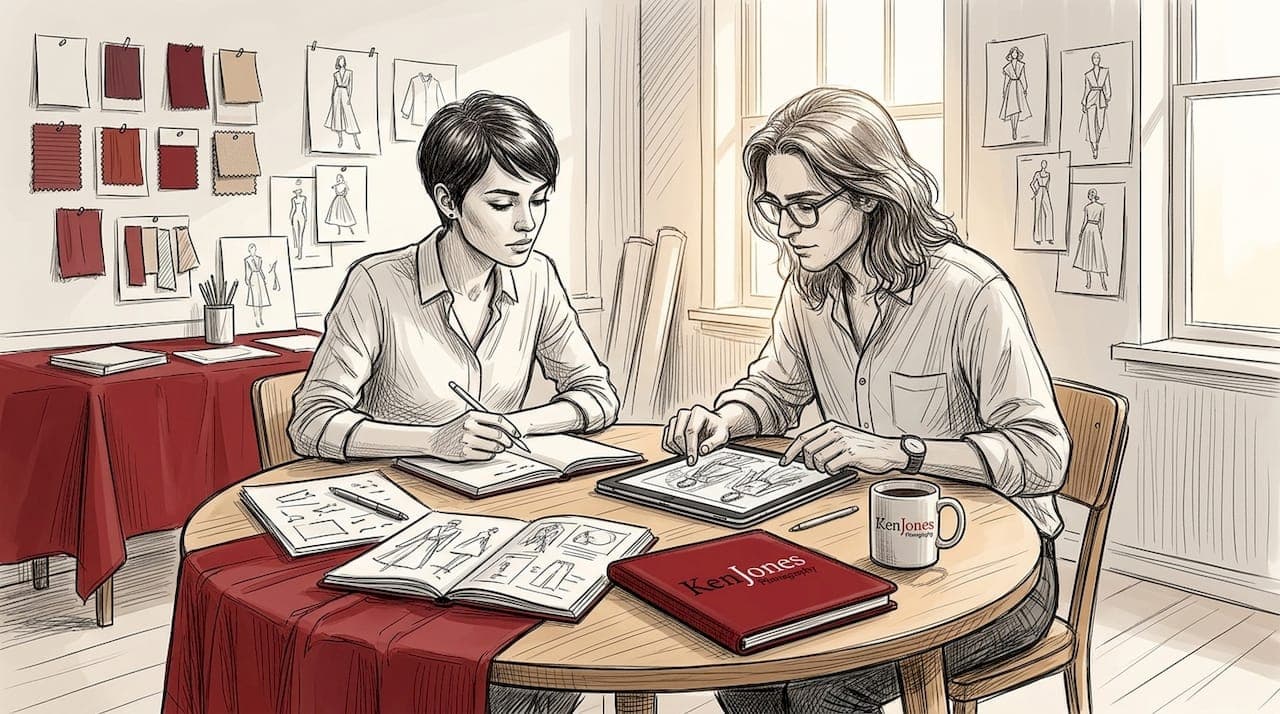
The shared artistic vision is what holds all of these roles together. Before pre-production documents are created, the creative lead (usually the photographer or art director) should articulate the editorial concept in plain language. What is the story? What emotion should the final images evoke? This verbal concept then becomes the foundation for mood boards, which every department references independently. As Kenjonesnyc explores in depth, fashion photography is fundamentally about storytelling, not garments.
Pro Tip: Create a one-paragraph creative brief before building mood boards. Force yourself to describe the shoot’s story, setting, and emotional tone without referencing other photographers’ work. This constraint produces more original concepts.
The distinction between editorial and commercial work also shapes how the team collaborates. Commercial shoots have clearly defined deliverables, approval chains, and brand guidelines. Editorial productions give each department more creative authority. That freedom is an asset, but it requires more trust and clearer pre-shoot alignment to avoid creative conflict on the day.
The pre-production process, step by step
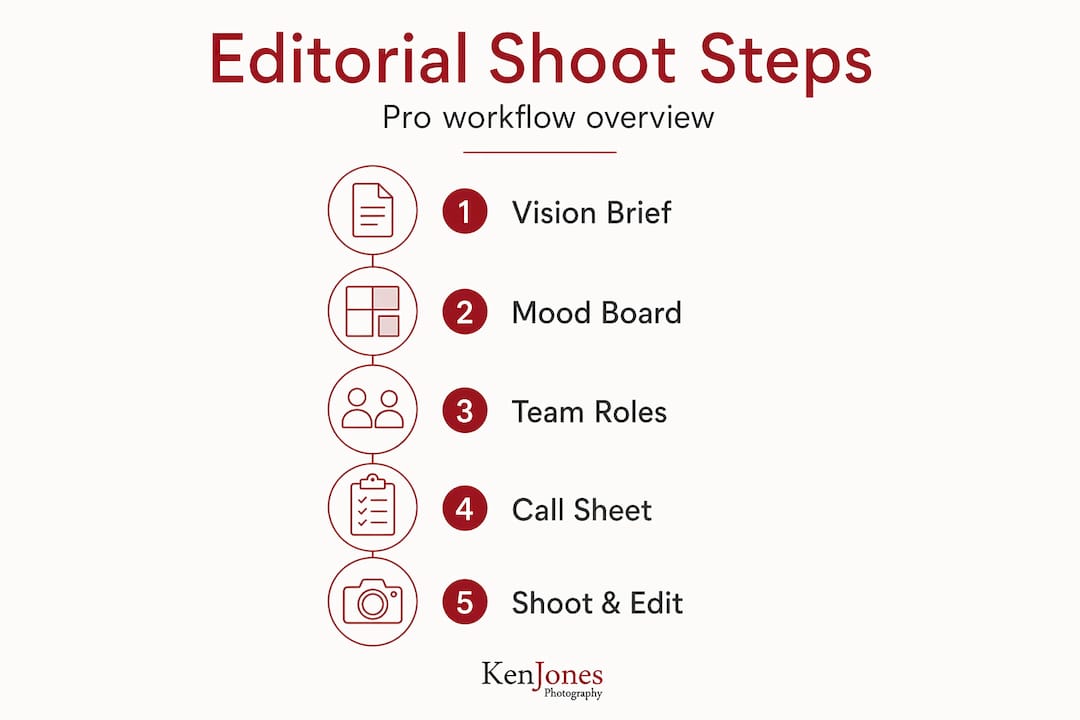
Pre-production is where a fashion editorial shoot either gets organized or gets lost. Structured pre-production includes a brain dump phase, multiple mood boards, a shot list, casting, and a detailed call sheet sent 48 to 72 hours before the shoot. Each step builds on the one before it.
Here is the sequence that professional editorial teams follow:
- Brain dump: Write down every idea, reference, and visual instinct related to the concept without filtering. Quantity over quality at this stage.
- Concept mood board: Pull reference images that capture the story’s tone, era, color palette, and overall atmosphere. This is the editorial north star.
- Styling mood board: Separate from the concept board, this focuses specifically on garments, silhouettes, accessories, and fabric textures.
- Hair and makeup mood board: Created with the hair stylist and makeup artist so beauty direction is aligned with styling from the start.
- Lighting plan: A written or diagrammed plan for each shot’s lighting setup, including modifiers, color temperature, and any natural light windows.
- Shot list: A numbered list of specific images to capture, distinct from mood boards. The mood board shows the feeling; the shot list shows the frames.
- Casting: Select models whose physical presence and energy serve the narrative, not just the garments.
- Call sheet: The operational document that contains every logistical detail for the shoot day.
Mood board versus shot list: a critical distinction
Many emerging photographers conflate these two documents, and the confusion costs them on set. Here is how they differ:
| Document | Purpose | Audience |
|---|---|---|
| Mood board | Communicates tone, atmosphere, and reference aesthetic | Entire creative team |
| Shot list | Specifies each image to be captured with framing notes | Photographer and producer |
The mood board is a creative communication tool. The shot list is a production tool. You need both, and they should be built separately.
Casting models for editorial work
Casting for editorial is different from casting for a product campaign. You are not looking for a model who simply fits the clothes well. You are looking for someone whose presence, expression, and energy can carry a narrative. Casting models for editorial shoots should begin at least two to three weeks before the production date, which allows time for test shots, wardrobe fittings, and creative alignment conversations.
When reviewing model composites, look beyond measurements. Study how the model holds stillness and how their face reads in flat light versus dramatic shadows. These qualities are what translate into editorial images that feel alive.
Pro Tip: Always hold a brief in-person or video casting session before confirming talent. A model’s energy and responsiveness to direction tells you more than any composite card.
Building the call sheet
A thorough call sheet includes the shoot date and time, exact location address, key contacts with phone numbers, emergency information, wardrobe breakdowns by look number, the shooting schedule with time blocks, and equipment lists. It is not a creative document. It is an operational one, and it functions as the legal and production alignment tool for every department.
Send the call sheet 48 to 72 hours before the shoot. This gives team members enough time to prepare without so much lead time that details change between sending and the shoot day.
Logistics and shoot-day execution
Knowing how to organize a fashion editorial shoot on the day itself comes down to one principle: treat the production schedule as a series of timed events, not an open-ended creative session. Effective shoot-day workflows assign dedicated zones for makeup, styling, and photography, with scheduled outfit changes factored into the time blocks.
A practical zone structure for a studio editorial shoot looks like this:
- Glam zone: Hair and makeup station with dedicated lighting and mirrors, separate from the shooting area.
- Wardrobe zone: Garments organized by look number on rolling racks, with accessories grouped by outfit.
- Shooting zone: Camera, lighting setup, backdrop or set piece, and the photographer’s workstation.
- Review zone: A monitor or laptop where the art director and stylist can review images without crowding the shooting zone.
Keeping these zones physically separate reduces the most common source of shoot-day delays: people wandering into the shooting area while the next look is still in glam.
On-set essentials and the shoot-day checklist
A solid fashion shoot checklist for the day covers both creative and logistical items. Consider these the non-negotiables:
- Charged camera batteries and formatted memory cards (at minimum three sets each)
- Backup lighting equipment, including spare bulbs and extension cables
- Steamer for garments and a lint roller
- Grip tape, safety pins, and wardrobe clips for fitting adjustments
- Touch-up kit for models: models should bring setting powder and blotting paper at minimum, with the makeup artist defining who provides shared consumables
- Printed call sheets for every team member (digital backup on phones)
- Model release forms ready to sign before shooting begins
That last item deserves specific attention. Model releases cover the duration, territorial scope, and usage rights for each image. They must be signed before or at the shoot, not after. Editorial versus commercial use affects what language the release requires, so prepare separate versions if the images may serve both purposes.
Pro Tip: Prepare a weather and contingency note on the call sheet for any location or outdoor component. List one indoor backup option with an address and contact. Decision fatigue on shoot day is real, and having the backup already documented removes one major stressor.
Maintaining narrative consistency throughout the day
As the shoot progresses through multiple looks and lighting setups, the creative team must periodically pause to review images against the original mood board. This is not a sign of doubt. It is quality control. Narrative cohesion across styling, makeup, lighting, and location is the defining quality of a strong editorial, as opposed to a collection of technically well-executed but disconnected images.
Assign someone, usually the art director or producer, to monitor consistency while the photographer focuses on directing the model and managing light. Two sets of eyes reviewing images against the concept board catches drift before it becomes a problem in post-production.
Post-production, submissions, and portfolio building
The shoot is over, but the editorial is not finished. Post-production for editorial photography involves more than retouching. It requires curating a sequence of images that maintains the story’s momentum from the first frame to the last.
When editing your selects, consider these principles:
- Choose images that support the narrative arc, not just technically strong standalone frames.
- Maintain consistent color grading across all selected images to reinforce the shoot’s visual identity.
- Limit your submission package to 8 to 15 images. More is rarely better for editorial pitches.
- Retouch with restraint. Editorial imagery favors a more natural finish compared to beauty campaigns.
- Create multiple edits: a full story sequence for magazine submission and a tighter portfolio selection of three to five hero images.
Submitting to fashion publications
Planning backwards from publication deadlines accounts for multi-month calendars. Major fashion magazines typically require editorial submissions four months ahead of the target issue date. Submissions generally include a Dropbox link to high-resolution files, a brief written pitch describing the concept and team credits, and a curated selection of selects (not the full shoot archive).
When pitching to publications, your submission package should include:
- A concise editorial concept description (two to three sentences)
- Full team credits: photographer, stylist, makeup artist, hair stylist, model, and any designers featured
- High-resolution images sized per the publication’s specifications
- Model release confirmation stating the images are cleared for editorial use
Building your portfolio with editorial work
A behind-the-scenes video of your editorial production adds dimension to portfolio presentations and is increasingly expected by agencies and publications reviewing new talent. Even a brief, well-edited clip showing the creative process communicates professionalism and production quality in ways that still images alone cannot.
Your editorial portfolio should demonstrate range across concept, styling direction, and lighting rather than volume of images. Three strong, published editorials with coherent creative vision will open more doors than twenty disjointed test shoots.
What I’ve learned after 30 years on editorial sets
I want to be direct about something most planning guides will not say: the photographers and creative teams who struggle most with editorial shoots are not the ones with limited technical skill. They are the ones who underestimate how much of their creative freedom depends on the operational foundation underneath it.
Early in my career, I thought thorough planning would constrain the spontaneous moments that make editorial images memorable. I was wrong. The opposite is true. When the call sheet is solid, the shot list is clear, and every department knows their cues, you have the mental bandwidth to notice when something unexpected and better is happening in front of your lens. The preparation is what makes the improvisation possible.
I have also seen creative teams skip the unified mood board step, assuming everyone has the same concept in their head after one conversation. They do not. The stylist is picturing one reference, the makeup artist another. You do not discover the misalignment until you are on set and the looks are not connecting. One shared pre-production session, where every department presents their department-specific mood board to the group, prevents this entirely.
Trust on set is also something you build before the day, not during it. Models perform better when they have met the photographer before, even briefly. Hair and makeup artists work faster when they have reviewed the styling board in advance. The luxury fashion editorial work I am most proud of came from productions where every person on set was genuinely invested in the story we were telling together.
Balancing artistic vision with operational realities is an ongoing practice, not a problem you solve once. But the creative teams who treat production documents as creative tools rather than administrative burdens are the ones consistently producing editorial work worth seeing.
— Ken
Work with a team that knows editorial production
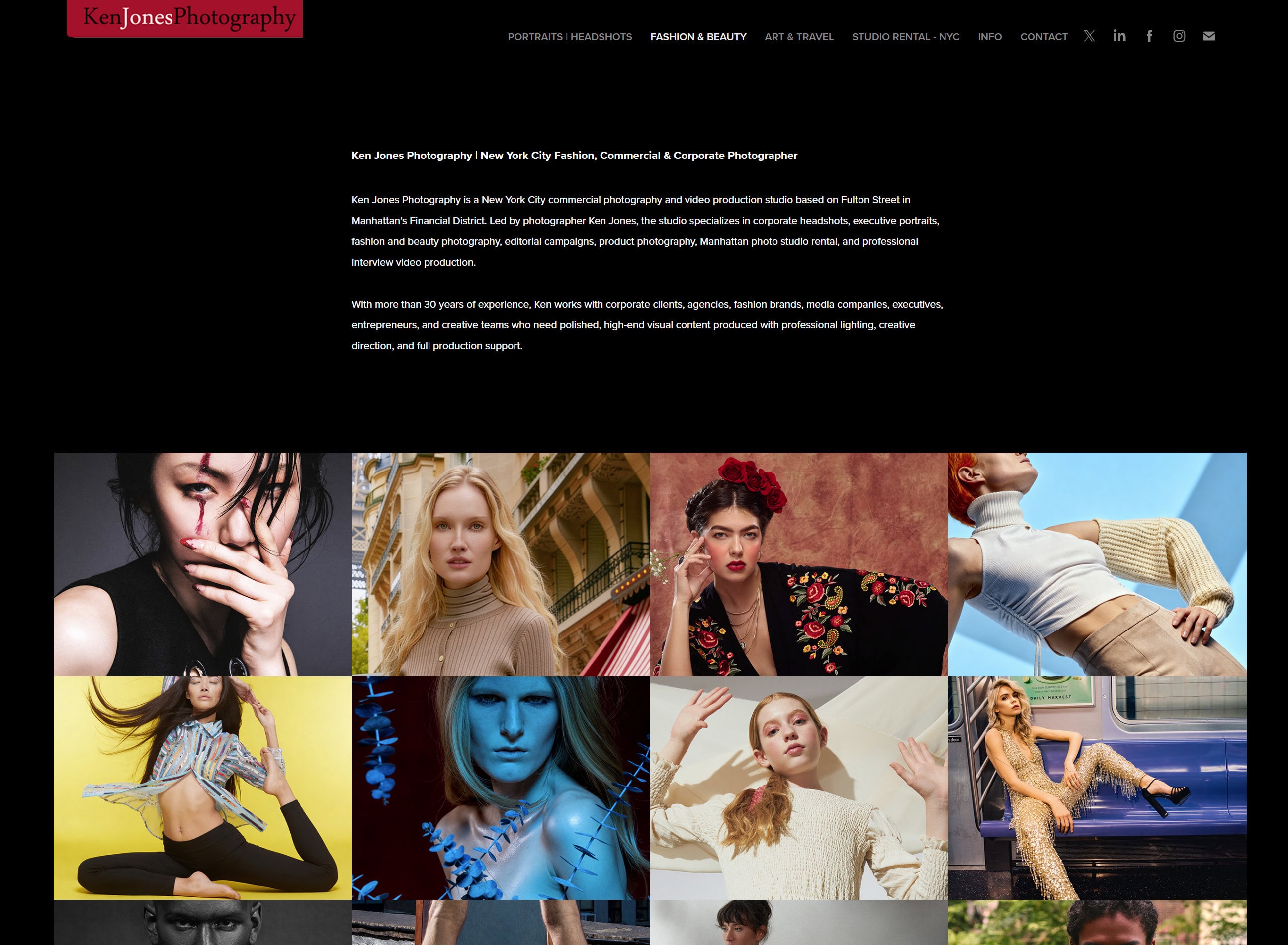
Planning a fashion editorial shoot at a professional level requires more than a great concept. It takes experienced collaboration, a well-equipped studio, and a team that has navigated every stage of production many times over. Kenjonesnyc brings more than 30 years of editorial and fashion photography experience to every production, from concept development and casting through post-production and portfolio delivery. Explore the Fur and Lace editorial as a reference point for what fully realized editorial production looks like, then browse the full portfolio at kenjonesnyc.com and reach out to discuss your next project.
FAQ
What makes editorial shoots different from commercial shoots?
Editorial shoots are story-driven productions focused on artistic expression rather than selling a specific product, which gives the creative team more freedom over styling, casting, and art direction.
When should I send the call sheet to my team?
Send your call sheet 48 to 72 hours before the shoot so every department has time to prepare without the details becoming outdated before the production day.
How far in advance do I need to submit editorial work to magazines?
Most major fashion publications require submissions approximately four months before the target issue, with high-resolution images and a written concept pitch included in the package.
Do I need model releases for editorial shoots?
Yes. Model releases must be signed before or at the shoot, covering usage rights and territorial scope, especially if there is any possibility the images may later be used commercially.
How many images should I submit to a fashion publication?
Limit your editorial submission to 8 to 15 curated images that maintain narrative flow. Publications want to see a cohesive story sequence, not a large archive of selects.
Recommended
- Fashion Photography Is More Than Clothes
- Why Lighting Defines Fashion Photography Results
- Ken Jones Photography | NYC Fashion, Beauty & Commercial Photographer | Manhattan Studio Rental – Fall Winter Fashion Editorial
- Ken Jones Photography | NYC Fashion, Beauty & Commercial Photographer | Manhattan Studio Rental – Hair Styling Beauty Editorial