
TL;DR:
- Proper fit, studio-ready fabrics, and strategic color choices are essential for presenting authority and approachability in corporate headshots.
- Bringing multiple outfit options, preparing garments to prevent wrinkles, and matching attire to industry norms ensure authenticity and visual consistency.
- Thoughtful wardrobe planning enhances credibility, making your headshot a powerful reflection of your professional identity.
Corporate headshot wardrobe guidelines are the practical rules professionals follow to ensure their portraits project authority, approachability, and credibility through deliberate clothing choices. What you wear in a headshot is not a secondary concern. It is the first visual signal your image sends before anyone reads your name or title. The wrong fabric, color, or fit can shift a viewer’s attention away from your face and toward a distracting pattern or an ill-fitting collar. Getting this right means understanding fit, color psychology, and how studio lighting interacts with different materials. These are the principles Kenjonesnyc applies across every corporate session in Manhattan’s Financial District.
1. Core corporate headshot wardrobe guidelines: fit, color, and pattern
The single most important factor in business headshot attire is fit. A well-tailored garment in a modest fabric will always outperform an expensive designer piece that pulls across the shoulders or gaps at the collar. Clothes that fit correctly allow the camera to read your posture and expression without visual interruption. This is the foundation every other guideline builds on.
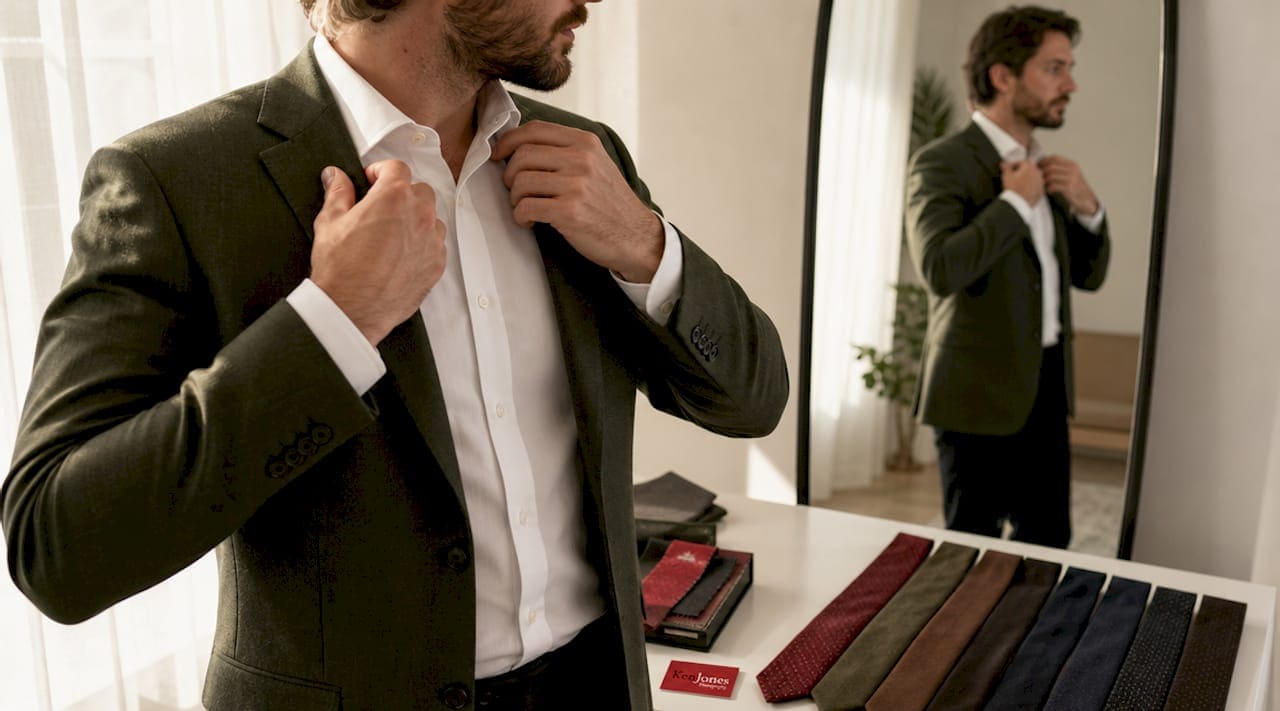
Solid mid-tone colors photograph consistently well across all skin tones. Navy, charcoal, forest green, and burgundy are reliable choices because they hold detail under studio lighting without bleeding or washing out. These colors also direct the viewer’s eye upward toward the face rather than anchoring attention on the clothing itself.
Pattern avoidance is non-negotiable for most corporate sessions. Thin stripes and small geometric patterns create a moiré effect on camera, producing a distracting optical shimmer that no amount of retouching can fully correct. Subtle texture in a solid fabric, such as a fine wool weave or a matte cotton blend, adds visual interest without the risk.
- Choose solid colors in navy, charcoal, forest green, or deep burgundy
- Avoid thin stripes, small checks, and busy geometric prints
- Prioritize fit over brand or trend
- Select fabrics with subtle texture rather than high sheen
- Dress one level above your typical client-facing attire to project confidence without appearing out of character
Pro Tip: Bring your chosen outfits to a full-length mirror under natural light before the shoot. Patterns that look subtle in a dim closet often read as chaotic under studio strobes.
Fabric choice also affects how light behaves on your clothing. High-synthetic blend fabrics can cause unwanted highlights under strobes, creating hot spots that pull the viewer’s eye. Matte cotton and wool blends absorb light more evenly and are consistently safer choices for studio work.
2. How to use color strategically to communicate professionalism
Color is a communication tool, not just an aesthetic preference. Every color choice sends a message to the viewer before they consciously register it, and that message should align with your professional role and the impression you want to create.
Navy and charcoal are the workhorses of corporate portrait clothing. They project authority, stability, and trustworthiness, which is why they dominate finance, law, and consulting sectors. Earth tones such as warm taupe, camel, and olive convey approachability and warmth, making them well-suited for client-facing roles in healthcare, education, and human resources. Jewel tones including sapphire, emerald, and deep plum communicate confidence and individuality without sacrificing professionalism.
| Color family | Message conveyed | Best suited for |
|---|---|---|
| Navy, charcoal | Authority, stability, trust | Finance, law, consulting |
| Earth tones (taupe, camel, olive) | Warmth, approachability | Healthcare, HR, client services |
| Jewel tones (sapphire, emerald, plum) | Confidence, individuality | Creative leadership, marketing |
| Soft neutrals (ivory, light gray) | Calm, openness | Education, nonprofit, coaching |
Neon colors and pure white create specific problems in studio conditions. Pure white against a white or light background can blow out detail and flatten the image. Neon shades reflect color onto the face under certain lighting setups, which creates a color cast that requires significant post-production correction. Neither issue is worth the risk when you have better options available.
Matching your wardrobe color to your background and brand palette is a detail that separates polished headshots from average ones. If your company uses a specific brand color in its marketing materials, incorporating a complementary tone in your clothing creates visual consistency across your professional presence. Ask your photographer about background color options before the session so you can coordinate effectively.
3. How many outfits to bring and how to prepare them
Bring two to three wardrobe options on hangers to your session. This gives your photographer the flexibility to suggest changes based on how the lighting is reading, and it gives you options for different tones within the same shoot. A more formal blazer option and a slightly more relaxed open-collar option, for example, can serve different platforms and purposes without requiring a second session.
Vary your options across at least two of the following dimensions: color, neckline, and formality level. Bringing three versions of the same dark blazer does not give you meaningful variety. A charcoal suit jacket, a navy crewneck sweater, and a forest green button-down shirt cover different moods and use cases within a single session.
- Select two to three outfits that differ in color, neckline, or formality
- Steam or iron each garment the morning of the shoot, not the night before
- Transport clothes on hangers to prevent new wrinkles in transit
- Pack a lint roller and a small steamer if you have one
- Lay out accessories the night before and edit them down to the minimum
Wrinkles are the number one retouching complaint in corporate headshot sessions. Steaming or ironing the morning of the shoot is more effective than doing it the night before because garments pick up new creases from handling and closet storage overnight. This single preparation step saves time in post-production and keeps your retouching costs down.
Pro Tip: Pack a small travel steamer in your bag on shoot day. Even a two-minute touch-up in the dressing room before you step in front of the camera makes a visible difference in the final image.
Accessories deserve their own preparation checklist. Jewelry should be minimal and matte. Watches are fine if they are part of your professional identity, but avoid anything that catches light aggressively. Glasses require specific attention. Test both with and without lenses during the shoot because modern lighting techniques manage glare effectively in most cases. Removing lenses entirely is often unnecessary and changes your appearance in ways that may not serve your professional image.
4. Common wardrobe mistakes that undermine headshot quality
The most frequent wardrobe errors in corporate photo sessions are predictable, and almost all of them are avoidable with a few days of preparation. Understanding what goes wrong helps you make better decisions before you arrive at the studio.
- Logos and slogans on clothing date your photo quickly and introduce brand associations that may conflict with your professional identity. A clean, logo-free garment keeps the focus on you.
- Fit problems including gapping collars, drooping shoulders, and fabric that pulls across the chest are among the most common issues photographers see. These cannot be fixed in post-production without significant retouching cost.
- Pure white or pure black chosen without considering the background creates contrast problems. White can blow out against a light background; black can merge with a dark one, losing the definition of your silhouette.
- Overdressing beyond your usual style produces stiffness on camera. Authenticity in dress cultivates confidence and credibility. When your clothing matches how you actually present to clients, your body language reads as natural and trustworthy.
- Shiny or high-synthetic fabrics reflect studio strobes and create hot spots that draw the eye away from your face. Satin, polyester blends with a high sheen, and certain metallic knits are the most common offenders.
- Unprepared garments showing up with wrinkles, lint, or pet hair are the most avoidable problem of all. A lint roller costs three dollars and eliminates one of the most common retouching requests photographers receive.
One pattern worth calling out specifically: clients who wear a brand-new outfit purchased specifically for the headshot. New clothes often have not been worn in, which means the fit has not been tested in motion, and the fabric may behave differently than expected under lights. Wear your chosen outfit for at least a few hours before the shoot day to confirm it sits correctly when you are seated and standing.
5. How to align your wardrobe with your industry, role, and personal brand
The dress code for corporate photos is not one-size-fits-all. What reads as authoritative in a Wall Street law firm can read as stiff and unapproachable for a tech startup founder. Your wardrobe should reflect the professional context you operate in every day, because that is the context your audience will evaluate you against.
- Finance and law favor traditional suits in navy, charcoal, or dark gray. A well-fitted two-button suit jacket with a solid dress shirt is the standard, and deviating significantly from it can undercut the authority the image is meant to project.
- Technology and startups lean toward business casual. An open collar, a fitted crewneck, or a structured blazer over a plain tee communicates competence without the formality that can feel misaligned with the culture.
- Creative fields allow more latitude with color and subtle pattern, but the tailoring still needs to be clean. A well-fitted patterned blazer in a creative director’s headshot reads as intentional; the same jacket in a poorly fitting cut reads as careless.
- Client-facing roles in healthcare, education, or nonprofit benefit from warm neutrals and earth tones that signal approachability. These sectors prioritize trust and warmth over authority, and the wardrobe should reflect that.
Authenticity is the through-line across all of these categories. The goal of executive headshot preparation is to produce an image that looks like the best version of how you actually present yourself, not a costume version of the role you hold. Viewers, especially potential clients and employers, are perceptive. When clothing feels misaligned with the person wearing it, the image loses credibility.
Collaborate with your photographer before the session. Share your industry, your role, and the platforms where the image will be used. A LinkedIn profile photo for a senior partner at a consulting firm has different requirements than an author bio photo for a business book. A good photographer will factor all of this into the lighting, background, and direction they provide.
Key takeaways
Corporate headshot wardrobe guidelines work because fit, color, and fabric preparation directly determine how much attention the viewer gives to your face versus your clothing.
| Point | Details |
|---|---|
| Fit is the top priority | Tailored, well-fitting clothes photograph better than expensive but poorly fitted garments. |
| Solid mid-tones photograph best | Navy, charcoal, and forest green flatter all skin tones and hold detail under studio lighting. |
| Bring two to three options | Varying outfits by color, neckline, or formality gives the photographer flexibility and you more usable images. |
| Steam garments the morning of | Wrinkles are the top retouching complaint; ironing the morning of the shoot prevents overnight creasing. |
| Match attire to your industry | Finance favors traditional suits; tech leans business casual; creative fields allow more color with clean tailoring. |
What 30 years in the studio has taught me about wardrobe
The wardrobe conversation is the one I have most often before a shoot, and it is the one clients most frequently underestimate. I have photographed executives who arrived in brand-new suits with the tags still on, and I have photographed founders who showed up in the same blazer they wear to every client meeting. The founder’s image almost always works better. Not because the suit was wrong, but because the person wearing it was comfortable, and comfort reads on camera in ways that are very difficult to manufacture in post.
The mistake I see most often is clients treating the headshot as a performance rather than a portrait. They dress for who they want to be perceived as rather than who they actually are in a professional context. The result is an image that looks polished but feels slightly off. Viewers cannot always articulate why, but they sense the disconnect. That disconnect costs you credibility, which is the opposite of what the image is supposed to deliver.
Fabric is the detail that surprises people most. I have had sessions where a client’s shirt looked perfect in the dressing room and created a distracting shimmer the moment the strobes fired. Synthetic blends are the usual culprit. I keep a few solid cotton and wool-blend options in the studio for exactly this situation, but the better solution is to test your fabrics before you arrive. Hold the garment under a bright light and look for sheen. If it catches light aggressively in a lamp, it will catch it under strobes.
One practical ritual I recommend to every client: lay out your full outfit the night before, photograph it with your phone, and look at that photo the next morning with fresh eyes. You will notice things you missed in the mirror. A collar that sits slightly off. A color that reads differently in a flat image than it does in three dimensions. This two-minute step has saved more than a few sessions from a wardrobe problem that would have cost an hour of retouching.
— Ken
Work with Kenjonesnyc for your next corporate headshot session
Kenjonesnyc has been producing corporate headshots in NYC for professionals across finance, law, technology, and creative industries for over 30 years. Every session includes a pre-shoot wardrobe consultation so you arrive prepared, not guessing. The studio accommodates multiple outfit changes, offers coordinated background options, and provides direct guidance on color and fabric choices based on your industry and the platforms where your image will be used. For teams, Kenjonesnyc develops consistent wardrobe strategies that produce cohesive results across an entire organization. Book your professional headshot session and arrive knowing your wardrobe is already working in your favor.
FAQ
What colors work best for corporate headshots?
Navy, charcoal, forest green, and deep burgundy are the most reliable choices for professional portrait clothing because they photograph well across all skin tones and hold detail under studio lighting. Avoid pure white against light backgrounds and neon shades, which can reflect color onto the face.
How many outfits should I bring to a headshot session?
Bring two to three wardrobe options on hangers, varying them by color, neckline, or formality level. This gives your photographer flexibility and increases the number of usable images from a single session.
Should I wear a suit for my corporate headshot?
It depends on your industry and role. Finance and law professionals typically photograph well in traditional suits, while tech and creative professionals often produce more authentic images in business casual attire that reflects their actual client-facing style.
How do I prevent wrinkles in my headshot clothing?
Steam or iron your garments the morning of the shoot rather than the night before. Clothes pick up new creases from handling and storage overnight, so morning preparation produces a noticeably cleaner result on camera.
Can I wear glasses in my corporate headshot?
Yes. Test both with and without lenses during the session, since modern lighting techniques manage glare effectively in most cases. Removing lenses entirely is often unnecessary and changes your appearance in ways that may not serve your professional image.
Recommended
- Ken Jones Photography | NYC Fashion, Beauty & Commercial Photographer | Manhattan Studio Rental – Environmental Headshots and Lifestyle Portraits
- How to Prepare for Executive Headshots That Work
- What Is a Professional Corporate Headshot?
- Ken Jones Photography | NYC Fashion, Beauty & Commercial Photographer | Manhattan Studio Rental – Headshots NYC | Corporate & Executive Portrait