

TL;DR:
- Renting studio space provides photographers with controlled lighting, professional environments, and higher fees. It offers significant cost savings over ownership for those with fewer than 15 sessions monthly and enhances client perceptions and business growth.
Renting studio space is defined as paying for temporary, scheduled access to a professionally equipped photography environment, and it is one of the most effective ways photographers improve both creative output and business results. The advantages of studio rental go well beyond having a clean backdrop. A controlled space gives you repeatable lighting, professional amenities, and a client-facing environment that commands higher fees. Studio rental reduces cognitive load, freeing you to focus entirely on creative direction rather than managing logistics. Kenjonesnyc has built its entire production model around this principle, and the results speak clearly across fashion, beauty, and commercial work.
Why renting studio space benefits photographers creatively
A rented studio gives photographers something no outdoor location or home setup reliably delivers: total control over light. You can build a Rembrandt setup, a flat beauty light, or a high-contrast editorial look and repeat it exactly three weeks later for a follow-up shoot. That repeatability is not a luxury. Consistent lighting across hundreds of shots is a baseline requirement for e-commerce catalogs and brand campaigns, where color accuracy and shadow placement must match across an entire product line.
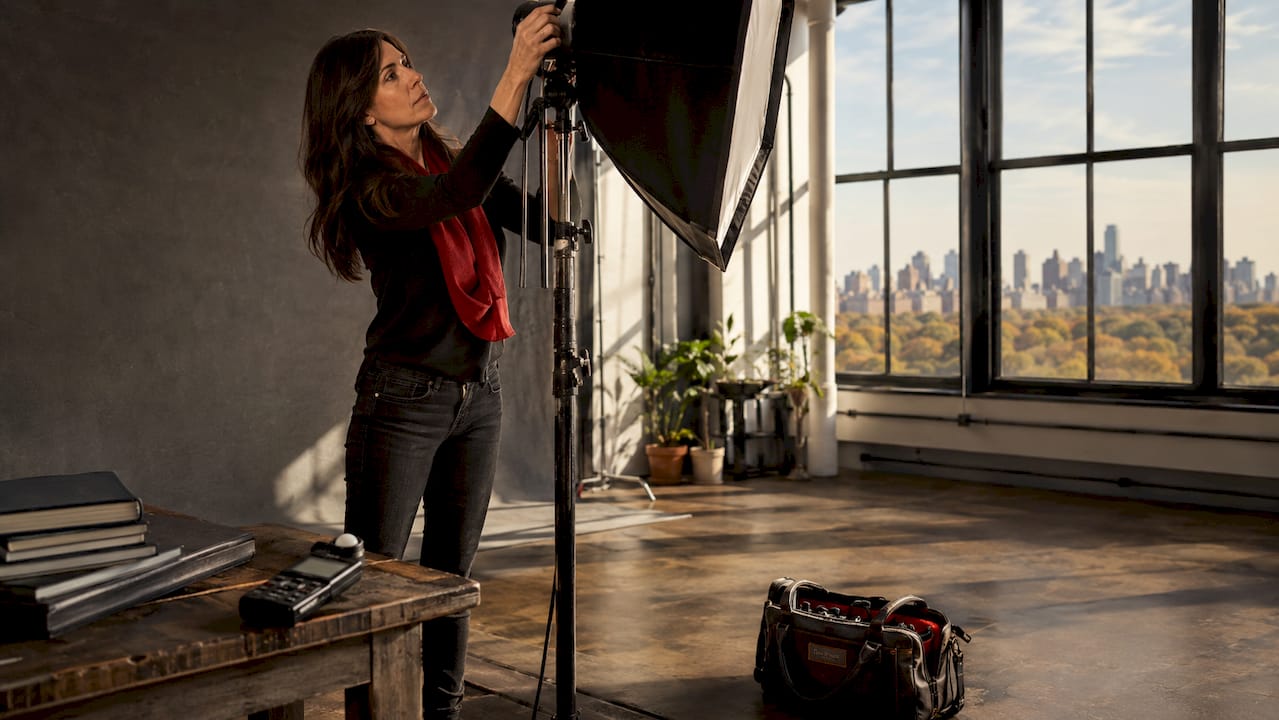
Weather is another variable that disappears inside a studio. A golden-hour outdoor session can collapse because of cloud cover, rain, or a construction crew that showed up unannounced. A studio shoot runs on your schedule, not the sky’s. Clients who have experienced a canceled outdoor session understand this difference immediately.
Professional studio rentals also provide technical infrastructure that home setups cannot match. Zoned HVAC systems keep the environment quiet and comfortable without the circuit-overload risk that comes from running multiple strobes off a residential electrical panel. That matters when you are shooting video alongside stills, where background noise from a window AC unit can ruin an entire audio track.
The creative benefits extend to set design. A rented studio with open floor space lets you build a full interior set, hang seamless paper in multiple colors, or bring in furniture and props without negotiating with your living room. That flexibility directly expands the range of work you can pitch to clients.
Key creative advantages of renting studio space include:
- Repeatable lighting setups for brand consistency across multi-day shoots
- Weather independence that eliminates cancellations and rescheduling costs
- Professional power infrastructure that supports high-output strobe systems safely
- Open floor plans that accommodate full set builds, multiple backdrops, and large crews
- Climate control that keeps talent comfortable and audio clean during video production
Pro Tip: Before booking a studio, ask specifically about the power capacity in amps per circuit. Running two or three large monolights on a single 15-amp residential circuit is a fire risk and a shoot-stopper. Most professional rentals offer 20-amp or dedicated circuits for lighting.
How does renting compare financially to owning a studio?
The financial case for renting over owning is straightforward for most photographers. Renting saves photographers an estimated $30,000–$40,000 annually in urban lease costs, utilities, and maintenance. In a market like Manhattan, that figure is conservative. A dedicated commercial lease in the Financial District or Midtown can run well above $5,000 per month before you factor in build-out, insurance, and equipment upkeep.
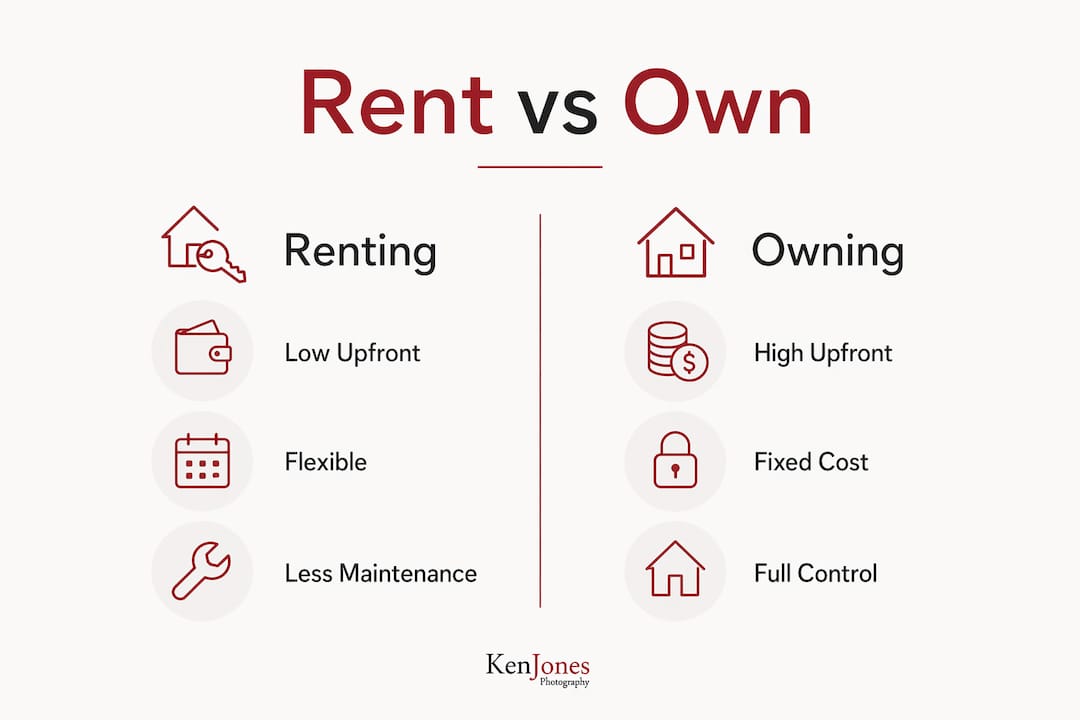
Hourly rental rates for fully equipped professional studios start around $99 per hour. For a photographer shooting ten sessions per month, that translates to a manageable variable cost rather than a fixed overhead that bleeds money during slow seasons. The math changes only when volume climbs consistently.
Photographers reaching 15 or more sessions per month may find a dedicated lease more cost-effective than hourly rentals. Below that threshold, hourly access prevents you from locking into a $1,000–$3,000 monthly lease before your booking volume justifies it. Most photographers hit that wall early in their careers and regret the commitment.
The smartest financial move is to pass rental costs to clients by embedding them directly into session pricing. Studio rental is not overhead. It is a production cost, the same as a hair and makeup artist or a lighting assistant. When you present it that way, clients accept it readily because it signals professionalism.
| Factor | Renting studio space | Owning a studio |
|---|---|---|
| Upfront cost | None | High (lease deposit, build-out) |
| Monthly fixed cost | Variable, pay per use | Fixed lease plus utilities |
| Maintenance responsibility | Studio owner handles it | Your cost and your time |
| Flexibility | Book when needed | Available anytime |
| Best for | Fewer than 15 sessions/month | High-volume, consistent bookings |
| Urban market savings | Up to $40,000/year | No savings; full cost exposure |
Pro Tip: Line-item studio rental on your invoices rather than burying it in a flat session fee. Clients who see “studio rental: $300” understand they are paying for a professional environment. It also makes your base rate look more competitive when compared to photographers who hide all costs in one number.
In what ways does a rented studio improve client experience and business growth?
A professional studio environment changes how clients perceive your work before you take a single frame. Walking into a clean, well-lit space with professional equipment signals that you operate at a serious level. That perception directly affects what clients are willing to pay.
The fee lift from studio shoots is measurable. Photographers using professional studios command price increases of 65–100% across genres compared to home or outdoor sessions. The breakdown is specific: headshots see a 100% increase, boudoir sees 100%, fashion and editorial work sees 80%, newborn photography sees 70%, and family portraits see 65%. These are not marginal gains. They represent a fundamental shift in how clients value the service.
Here is how a rented studio drives business growth in practical terms:
- Higher perceived value. A dedicated studio signals investment and expertise. Clients associate professional spaces with professional results, which justifies premium pricing from the first inquiry.
- Fewer cancellations. Outdoor and home sessions cancel for weather, noise, space constraints, and scheduling conflicts. A studio session has none of those variables, so clients commit more firmly.
- Stronger portfolio consistency. Shooting in a controlled environment produces images with consistent color, exposure, and mood. A portfolio built on studio work looks cohesive and attracts higher-budget clients.
- Better referrals. Clients who experience a smooth, professional studio shoot tell other people. The environment itself becomes part of the story they share.
- Repeat bookings. Corporate clients, in particular, return to photographers who can guarantee consistent results. A studio setup makes that guarantee credible.
The physical separation of work and home that a rented studio provides also improves your professional consistency. Clients who visit a dedicated studio see a business, not a side project. That distinction matters enormously when you are trying to build long-term client relationships.
What practical considerations should photographers keep in mind when renting?
Location is the first filter. A studio that is inconvenient for your clients will cost you bookings regardless of how well-equipped it is. For photographers working in New York City, proximity to subway lines and parking options matters as much as the space itself. The Manhattan studio location you choose signals your market position to clients before they even arrive.
Before signing any rental agreement, review these practical factors:
- Amenities included: Confirm what is in the rate. Backdrops, lighting equipment, grip gear, changing rooms, and Wi-Fi should be standard in a professional rental. Ask for a full equipment list in writing.
- Booking flexibility: Understand minimum booking windows, cancellation policies, and overtime fees. A studio that charges a full extra hour for running 15 minutes over will affect your shoot-day budget.
- Load-in and load-out time: Many studios charge from the moment you enter, not from when you start shooting. Build setup and breakdown time into your booking window.
- Client-facing facilities: A waiting area, a makeup station, and a private changing room are not optional for portrait and fashion work. They affect how talent and clients experience the shoot.
- Contract terms: Review rental contracts and fees carefully for liability clauses, equipment damage policies, and deposit requirements.
Balancing studio and on-location work is also worth planning deliberately. Not every project belongs in a studio. Environmental portraits, architectural work, and lifestyle campaigns often require real-world settings. The photographers who use studios most effectively treat them as one tool in a full production toolkit, not as a default for every shoot.
| Studio amenity | Why it matters |
|---|---|
| Dedicated lighting circuits | Prevents overloads when running multiple strobes |
| Seamless paper in multiple colors | Expands creative options without additional cost |
| Climate control (zoned HVAC) | Keeps talent comfortable and audio clean |
| Makeup and changing area | Supports professional talent workflow |
| Loading dock or freight elevator | Reduces setup time for large equipment |
Ken’s take: what 30 years of studio work actually taught me
After three decades shooting fashion, beauty, and commercial work in New York City, I can tell you that the photographers who struggle most with studio rental are the ones who treat it as an expense rather than a production tool. I made that mistake early in my career. I was shooting headshots in a rented apartment space, telling myself the overhead savings were worth it. Then a client walked in, looked around, and asked if I had a “real studio.” That was the last time I shot outside a professional environment for a paying client.
The cognitive shift that comes from working in a proper studio is real. When you are not managing noise complaints from neighbors, improvising power solutions, or apologizing for the space, you think more clearly about the shot. Your creative direction improves because your mental bandwidth is not consumed by logistics. That is not a soft benefit. It shows up directly in the quality of the images.
One thing I see photographers get wrong consistently is underpricing studio work. They absorb the rental cost rather than passing it to the client because they are afraid of losing the booking. The opposite is true. When you include studio rental as a line item in your quote, you signal that you operate at a production level. Clients who are serious about their brand or their image expect that. The ones who balk at a studio fee are rarely the clients you want to build a business around.
My advice is to start with a Manhattan studio rental for your next three client shoots and track the difference in booking rate, session fee, and client feedback. The data will make the decision for you.
— Ken
Kenjonesnyc studio rental: professional space in Manhattan’s Financial District
Kenjonesnyc operates a fully equipped photography studio in Manhattan’s Financial District, available for fashion, beauty, commercial, and corporate shoots. The space supports high-end fashion editorials and luxury product photography with professional lighting infrastructure, seamless backdrops, and climate control built for full production days.
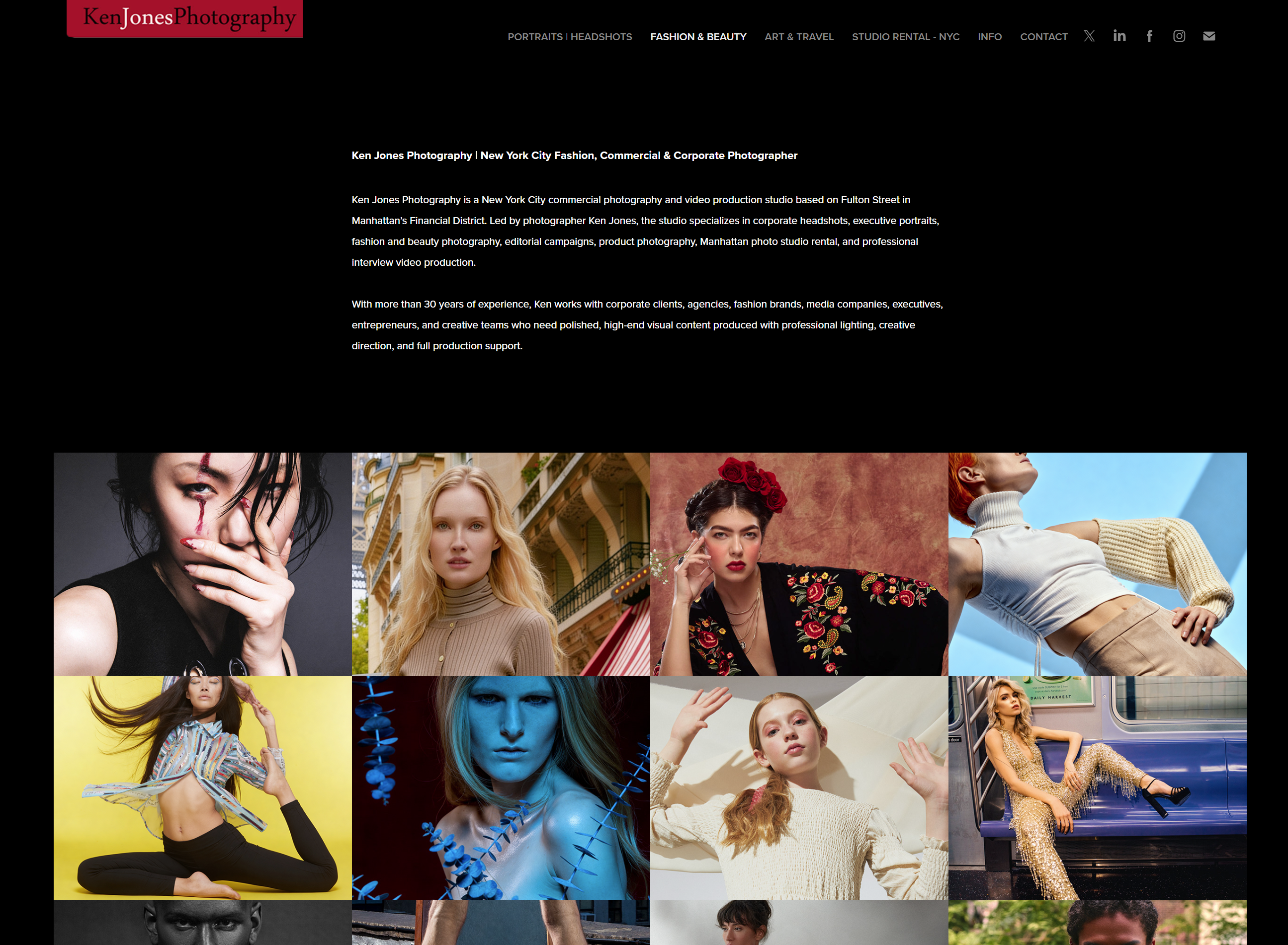
Rental includes access to the studio’s lighting equipment, grip gear, and client amenities. The Financial District location is accessible by multiple subway lines, making it practical for talent, clients, and crew traveling from across the city. Whether you are booking a single-day headshot session or a multi-day editorial campaign, Kenjonesnyc offers the professional environment that supports serious commercial work. Contact Kenjonesnyc at kenjonesnyc.com to discuss availability and pricing for your next project.
FAQ
Why does renting a studio increase photographer fees?
Professional studio environments signal expertise and investment, which raises perceived value. Photographers using studios command 65–100% higher session fees across genres compared to home or outdoor shoots.
How much does it cost to rent a photography studio?
Hourly rates for fully equipped professional studios start around $99 per hour. Costs vary by market, amenities, and booking duration.
When should a photographer own a studio instead of renting?
Ownership becomes cost-effective when a photographer consistently books 15 or more sessions per month. Below that volume, hourly rental avoids the fixed costs of a dedicated lease.
Can photographers pass studio rental costs to clients?
Yes. The most effective approach is to embed rental fees in session pricing as a production line item. Clients accept studio costs readily when they are presented as part of a professional production package.
What amenities should a professional rental studio include?
A professional rental should include dedicated lighting circuits, seamless backdrops, climate control, a makeup and changing area, and reliable Wi-Fi. Review the full studio amenities list before booking to confirm what is included in the quoted rate.
Key takeaways
Renting studio space benefits photographers by delivering controlled lighting, professional client environments, and measurable fee increases that home or outdoor setups cannot replicate.
| Point | Details |
|---|---|
| Fee increases are significant | Studio shoots command 65–100% higher session fees depending on genre. |
| Rental saves substantial overhead | Urban photographers save an estimated $30,000–$40,000 annually by renting instead of leasing. |
| Pass costs to clients | Embed studio rental as a production line item in session pricing to protect margins. |
| Creative quality improves | Controlled lighting and reduced cognitive load produce stronger, more consistent images. |
| Ownership threshold is high | Hourly rental is more cost-effective until bookings reach 15 or more sessions per month. |