
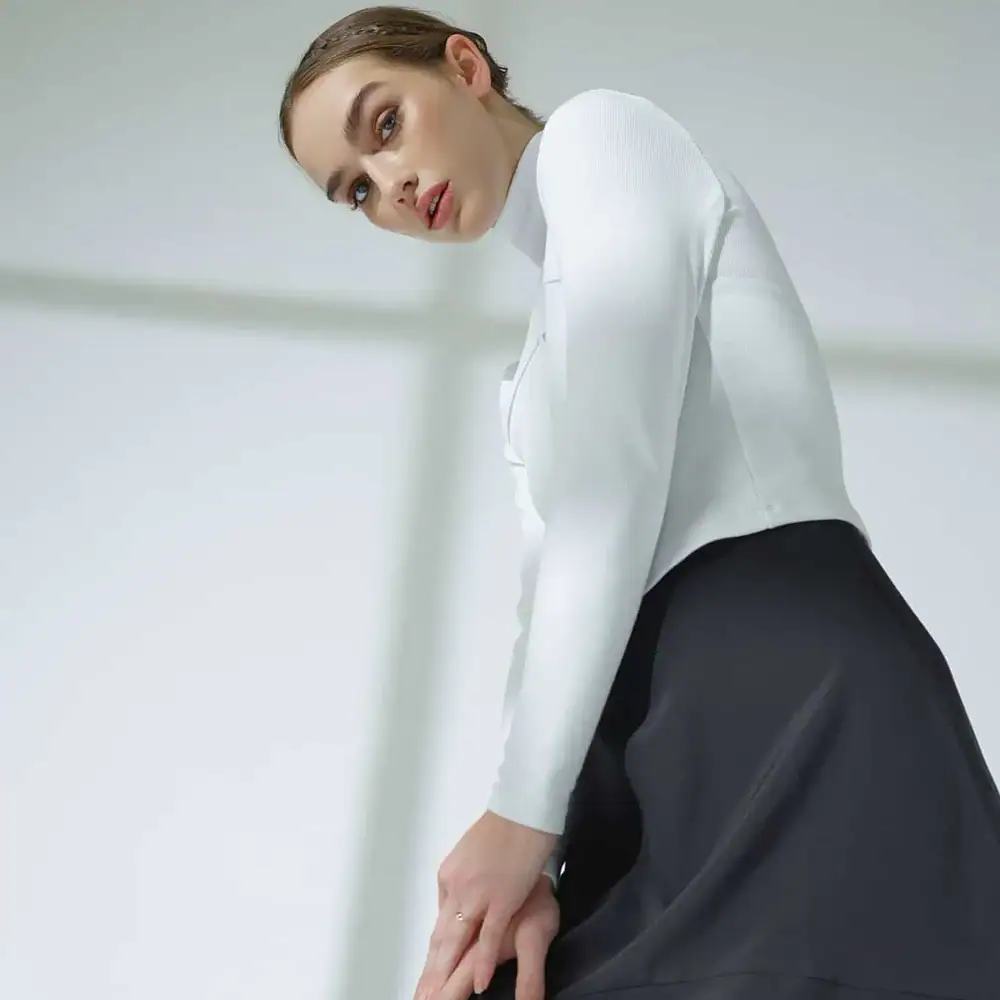
In the world of corporate photography, there is a distinct line between a "headshot" and an "executive portrait." While a headshot is often a utilitarian necessity: a clear, friendly image for an ID badge or a Slack profile: an executive portrait is a strategic brand asset.
For many professionals in NYC, the default choice is a plain grey or white background. It’s safe, it’s fast, and it’s what "the guy with a camera" usually offers because it requires the least amount of production planning. But for leaders in finance, law, tech, and creative industries, a plain background often misses the opportunity to communicate authority, vision, and the unique environment in which they operate.
At Ken Jones Photography, we believe that an executive portrait should tell a story. In a city where everyone is competing for the same few seconds of attention on LinkedIn or in a digital press kit, your image needs to do more than just prove you exist. It needs to prove you lead.
The Limitation of the Neutral Wall
A neutral background isn't inherently bad: in fact, it’s a staple of our studio services. However, when a leader's entire portfolio consists only of studio-standard images, they risk becoming interchangeable with their competitors.
A plain background provides no context. It doesn't show the scale of the projects you manage, the culture of the firm you lead, or the sophistication of your brand. When you move beyond the seamless paper backdrop, you move into the realm of environmental portraiture, where the setting becomes a supporting character in your professional narrative.
1. Context as a Signal of Authority
One of the most powerful ways to elevate an executive portrait is through environmental context. When we shoot on-location in NYC, we look for elements that anchor the subject in their world.
Consider the difference between a CEO photographed against a white wall versus a CEO photographed in a high-rise boardroom overlooking the Financial District. The latter immediately signals a specific level of influence and geographical relevance. It places them at the heart of the action.

Environmental portraits don't always have to be grand in scale. Sometimes, authority is communicated through the tools of the trade. For a creative director, it might be the texture of a studio or a specific piece of equipment. For a founder, it might be the vibrant, collaborative energy of their headquarters. The goal is to move from "who is this person?" to "what does this person do, and why does it matter?"
2. Sculpting with Light: Moving Beyond the "Flat Look"
The hallmark of an amateur or budget photographer is "flat" lighting. This is where the light is thrown directly at the face to fill every shadow, resulting in an image that lacks depth, character, and: crucially: gravitas.
In high-end executive portraits nyc, we use lighting to sculpt the features. We use shadow to create shape and "catchlights" to bring life to the eyes. This isn't just about making someone look "good"; it's about using dramatic lighting to convey a mood.
- Broad, soft lighting communicates approachability, openness, and trust. This is excellent for client-facing leaders in consulting or healthcare.
- Chiaroscuro or directional lighting adds a sense of determination, focus, and strength. This is often the choice for litigators, hedge fund managers, or visionaries in the tech space.
When you work with a professional studio, you aren't just paying for the camera; you are paying for the light. A seasoned photographer understands how to use a minimal composition and complex lighting rigs to create a three-dimensional feel that stands out in a two-dimensional digital world.

3. Direction and Posing: The Art of Presence
Most executives are not professional models. Left to their own devices, even the most confident leaders can look stiff or uncomfortable in front of a lens. This is where the "guy with a camera" fails: they wait for the subject to "do something" rather than providing active direction.
A professional portrait session is a collaboration. It involves directing the micro-expressions: the slight tilt of the head, the positioning of the shoulders, and the "smize" (smiling with the eyes) that separates a deer-in-headlights stare from a confident gaze.
We focus on two key pillars during an executive portrait session:
- Authority: Posture that suggests stability, experience, and decision-making power.
- Approachability: A facial expression that suggests the person is someone you would actually want to work with.
Balancing these two is a fine art. Too much authority can look cold; too much approachability can look like a junior employee. Finding that middle ground requires a photographer who understands corporate dynamics and human psychology.
4. The Branding ROI: Why the "Expensive" Photo is Cheaper
It might be tempting to save a few hundred dollars on a quick headshot, but from a branding perspective, the ROI of a premium executive portrait is significantly higher.
Research suggests that people form judgments on competence and influence in less than a second. A study by Psychological Science found that professional headshots can increase perceived competence by up to 76%. On platforms like LinkedIn, a high-quality photo can generate 21x more profile views and 36x more messages.
When you invest in a portrait that includes art direction, location scouting, and high-end lighting, you are creating a "hero image" that will live on your website, in annual reports, on investor decks, and in media features for years. The cost-per-impression of a great portrait is pennies over its lifespan, whereas a poor portrait costs you opportunities every single day.
Planning Your NYC Executive Portrait
If you are planning to refresh your professional image, consider the following checklist before booking your session:
- Location: Do you want the controlled environment of a studio or the storytelling power of an environmental location?
- Wardrobe: Does your clothing align with the industry standards, or are you looking to disrupt them? (e.g., a structured suit for finance vs. a premium knit for tech).
- The Shot List: Beyond the standard "facing the camera" shot, do you need "working" shots, profile views, or full-length images for speaker bios?
- Production Quality: Does the photographer have a portfolio that shows mastery of light and direction, or do all their subjects look like they were shot in the same basement with the same single light?
Conclusion
Your executive portrait is often the first "meeting" you have with a potential client, investor, or partner. In a competitive market like New York, making that first impression count is non-negotiable.
By moving beyond the plain background and embracing lighting, environment, and professional direction, you transform a simple photo into a powerful tool for leadership. At Ken Jones Photography, we specialize in making that transformation happen. Whether you need an environmental session on-site or a meticulously lit portrait in our Downtown Manhattan studio, we have the experience to ensure your image reflects your authority.
Ready to elevate your personal brand? Contact us today to discuss your next executive portrait session.