
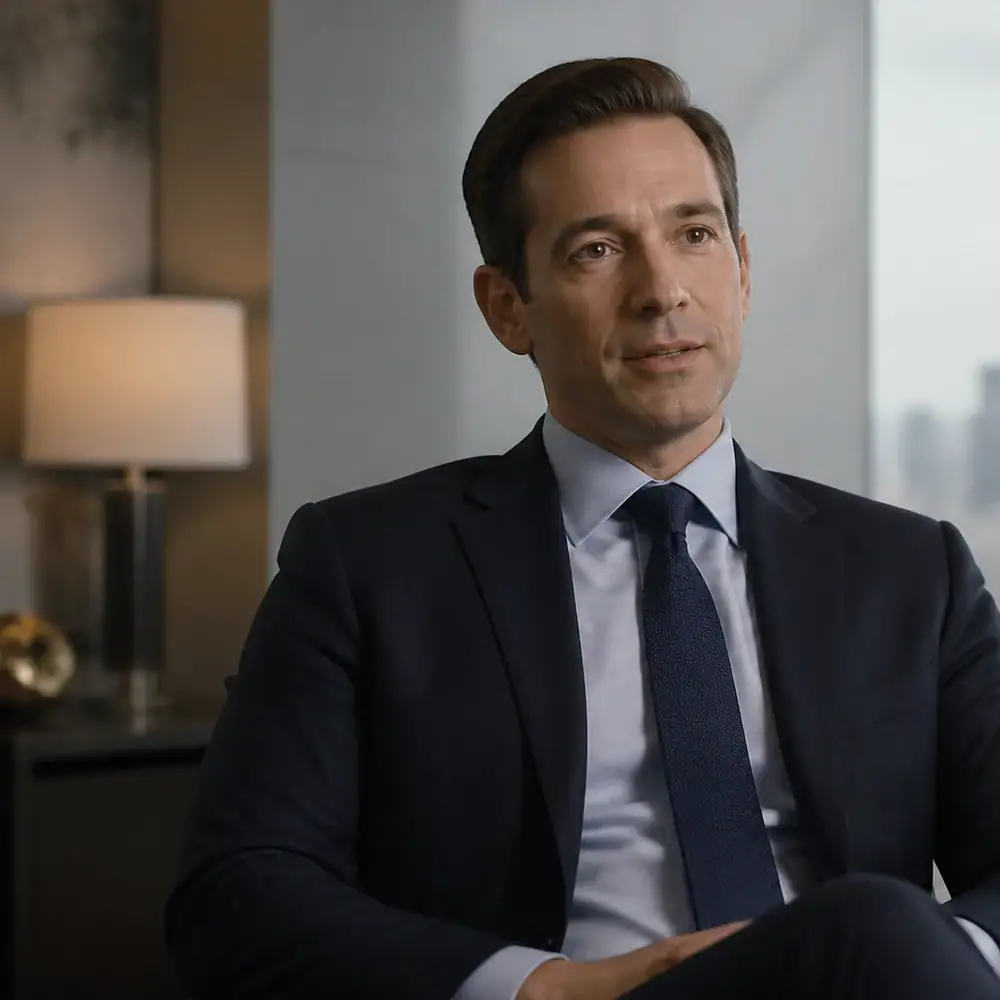
In today’s visual-first business environment, a static headshot is often just the beginning. Companies are increasingly turning to video to tell their stories, humanize their leadership, and communicate complex ideas. Whether it’s an internal town hall, a high-stakes investor relations piece, or a brand story for social media, the demand for professional video production in NYC has never been higher.
However, there is a massive gap between a "recorded Zoom call" and a polished corporate interview. When a video looks amateur: poor lighting, hollow sound, or a stiff subject: it doesn’t just fail to engage; it can actually undermine the credibility of the brand. At Ken Jones Photography, we’ve spent over three decades mastering the art of the image, and we bring that same editorial precision to our video production services.
Making a corporate interview look professional requires a combination of technical mastery and human direction. Here is what separates a high-end production from a generic office recording.
1. Lighting: Crafting Depth and Authority
Lighting is the primary visual differentiator in professional video. Most office environments are lit with overhead fluorescents or harsh LEDs that create "raccoon eyes" and unflattering skin tones. To achieve a cinematic, professional look, we move away from "visibility" and toward "shaping."
The Three-Point Setup
A standard professional interview typically utilizes a refined version of three-point lighting:
- The Key Light: This is the primary light source, usually placed 45 degrees to one side of the subject. We use large softboxes or diffusion panels to ensure the light is soft and flattering, emphasizing the subject's features without creating harsh shadows.
- The Fill Light: Positioned on the opposite side, the fill light controls the contrast. In corporate work, we generally aim for a clean, natural look with a 2:1 ratio, keeping shadows soft but present to maintain a sense of three-dimensional depth.
- The Back/Hair Light: This is the "secret sauce" of professional video. By placing a subtle light behind and above the subject, we create a thin rim of light around their shoulders and hair. This separates them from the background, making the image pop and preventing the "flat" look common in amateur videos.
In our Lower Manhattan photography studio, we have the advantage of controlled environments where we can neutralize clashing color temperatures and create a daylight-balanced look that feels both modern and credible.

2. Sound: The Invisible Differentiator
It’s a common saying in production: "People will watch a video with bad picture, but they’ll turn off a video with bad sound." Audio is 50% of the experience.
Professional video production in NYC often faces the challenge of the "city hum": sirens, traffic, and HVAC systems. Achieving professional sound requires more than just a good microphone; it requires a controlled environment and strategic placement.
We utilize a dual-source approach for most interviews:
- Lavalier Microphones: A small, discreet mic clipped to the subject’s clothing to capture clear, direct voice.
- Boom Microphones: A shotgun mic suspended just out of frame. This provides a more natural, "roomier" sound that adds richness to the voice.
By monitoring audio with high-quality headphones throughout the shoot, we ensure that every word is crisp and free of distracting background noise. If the audio isn't perfect on set, no amount of post-production can fully "fix" it.
3. Direction and Framing: Intentional Composition
The way an executive is framed speaks volumes about their authority. A professional commercial photography NYC eye helps here: we apply the same rules of composition to motion as we do to stills.
Eyeline and Engagement
For most corporate interviews, the subject shouldn't look directly into the lens. This can feel aggressive or like a "breaking of the fourth wall." Instead, the interviewer sits just to the side of the camera, and the subject maintains eye contact with them. This creates a documentary feel that feels more authentic and less like a scripted advertisement.
Creating Background Depth
Depth is luxury. We rarely place a subject directly against a wall. By moving the subject several feet forward and using a shallow depth of field (blurring the background), we focus the viewer’s attention entirely on the speaker. Whether we are shooting in our Fulton Studio or on-location in a boardroom, we look for "practicals": lamps or architectural details: that add visual interest to the background without being distracting.
4. Preparing the Executive: The Performance
The most expensive gear in the world can't save a nervous or unprepared speaker. As a director, part of my job is making sure the talent: often a busy CEO or partner: feels comfortable and looks natural on camera.
Coaching for the Edit
Executives often want to recite a script word-for-word. This almost always leads to a stiff, robotic performance. We prefer a bulleted list of key points. We coach the subject to speak in complete sentences (e.g., "Our mission is…" rather than just "To help people") so that their answers can stand alone in the final edit.
Wardrobe and Grooming
In corporate photography, we always advise on wardrobe. For video, this is even more critical. Fine stripes or busy patterns can cause "moiré": a distracting flickering effect on screen. Solid colors: navy, charcoal, or soft pastels: work best. We also ensure that skin shine is managed; under production lights, a little bit of powder goes a long way in maintaining a professional appearance.

5. The Commercial Advantage: Stills and Video Together
One of the biggest shifts in recent years is the "hybrid" production day. Clients often come to us for corporate headshots or executive portraits, and we realize that the lighting setup required for a world-class portrait is 80% of the way to a world-class video interview.
By planning a production day that covers both, brands can maximize their ROI. While the lighting is set and the executive is already "camera-ready," we can capture:
- A series of polished LinkedIn headshots.
- A 90-second interview clip for the company website.
- "B-roll" footage of the executive working or walking through the office.
This integrated approach ensures that the visual brand is consistent across all platforms. The lighting, the color grading, and the overall "vibe" of the photos will match the video perfectly, creating a seamless brand experience.
Why It Matters
A professional corporate interview video isn't just about "looking good": it’s about eliminating the friction between your message and your audience. When the lighting is distracting, the sound is muddy, or the framing is awkward, your audience spends their brainpower processing those flaws instead of listening to what you have to say.
At Ken Jones Photography, we believe that every frame should serve a purpose. Whether you are launching a new product, announcing a merger, or simply introducing your team to the world, your video content should reflect the same level of excellence you bring to your business.
Are you looking to upgrade your brand’s visual story? Whether you need a full suite of corporate headshots or a high-end interview video production, we’re here to help you navigate the production process from concept to final edit.