
In the hyper-saturated digital ecosystem of modern modeling and commercial casting, it is tempting to believe that more is more. Between heavily filtered social media feeds, dramatic ring-light selfies, and algorithm-optimized Reels, talent often arrives at an agency submission with a portfolio that looks like a curated mood board rather than a professional canvas.
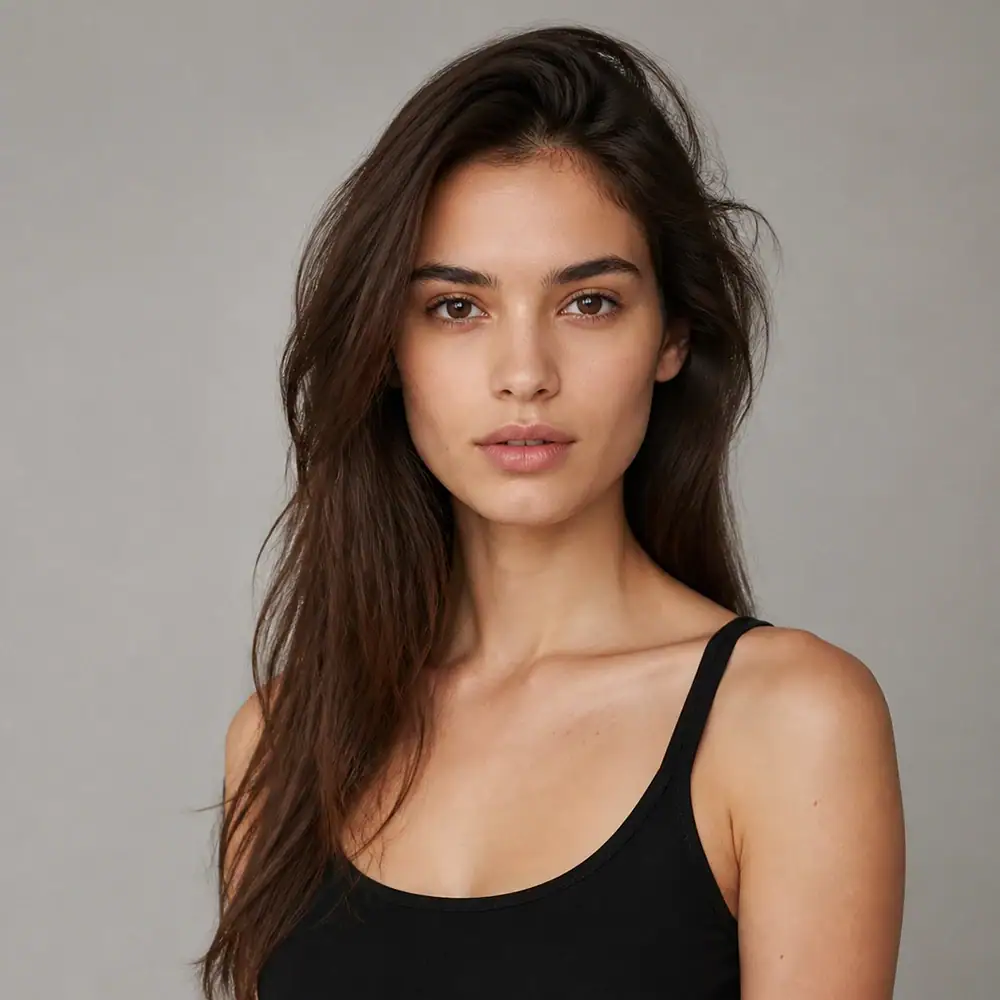
Yet, ask any leading booking agent or casting director in Manhattan what they look at first, and the answer remains remarkably consistent: the digital board. Specifically, they look for clean, unvarnished, precisely lit professional model portraits that reveal raw structure, skin texture, and true proportions.
For models, developing talent, and agencies alike, understanding the strategic value of honest framing is essential. When you strip away the digital filters and heavy styling, you create a powerful asset: a versatile slate that allows casting directors to project any brand's vision onto the model.
The Illusion of Convenience: The "iPhone Trap"
In the era of computational photography, nearly everyone carries a pocket camera capable of stunning imagery. Smartphone manufacturers invest billions in software algorithms designed to smooth skin, sharpen edges, boost contrast, and artificially add cinematic depth of field before the image even hits your camera roll.

While these enhancements make vacation photos and casual snapshots look vibrant, they are the exact opposite of what an agency board requires.
- Artificial Smoothing: Auto-filters erase the micro-textures of skin, jawline definition, and bone structure that booking agents rely on to assess a model’s authentic look.
- Distorted Lenses: Wide-angle smartphone lenses warp facial proportions, subtly distorting noses, foreheads, and cheekbones.
- Inconsistent Color Science: Automatic white balance changes color tones unpredictably between shots, making it impossible for a client to gauge true skin undertones.
When an agency or commercial client reviews submissions, they are not looking for a polished social media post; they are evaluating a professional working tool. An overly processed snapshot tells an agent that the talent relies on digital tricks rather than natural presence and professional lighting.
What Makes an Agency Board "Clean"?
A professional agency board is built on restraint, precision, and technical discipline. Achieving a "simple" look that still commands attention requires a high level of photographic craft.
In a specialized New York City commercial studio, creating clean digitals involves deliberate choices:
- Balanced, Directional Lighting: Rather than harsh, flat on-camera flash or erratic window light, professional studio lighting uses large modifiers (like softboxes or umbrellas) to wrap light smoothly around the face. This defines bone structure without creating unflattering shadows.
- Neutral Backgrounds: A seamless neutral grey, off-white, or muted backdrop ensures zero visual distraction, keeping 100% of the focus on the subject’s proportions and features.
- Minimal Styling & Natural Makeup: Fitted, solid-colored apparel (such as a simple tank top or fitted tee) and clean, minimal grooming ensure that clothing never overpowers the model’s physical versatility.
- True-to-Life Focal Lengths: Using medium telephoto lenses (such as an 85mm or 105mm portrait lens) delivers zero facial distortion, capturing true-to-life geometry.
The Canvas Theory: Why Casting Directors Need Blank Space
When a luxury fashion house, a global beauty brand, or an advertising agency in New York evaluates talent for an upcoming campaign, they do not shop for a finished look. They shop for potential.

A casting director looking at a clean digital board is essentially asking: Can I mold this talent to fit my creative direction?
- Projection of Vision: If a model's digitals are overly styled, heavily filtered, or locked into one specific aesthetic (e.g., heavy goth makeup or aggressive streetwear styling), it becomes difficult for a commercial client to envision them in a clean skincare campaign or a classic tailoring look.
- Versatility Across Media: Clean, honest portraits translate seamlessly across mediums: whether printed on a physical comp card in a Paris agency office or viewed on a high-resolution monitor by a New York creative director.
- Confidence in Reality: Experienced bookers know that what you see in a clean, properly lit studio frame is what will walk onto the set on production day. Eliminating surprises protects both the client's budget and the model's professional reputation.
Building Your Board: What to Expect from a Professional Session
Investing in professional agency photography NYC isn't about booking a massive, multi-look fashion editorial every time you need an update. It’s about executing a targeted, efficient session focused purely on clarity.
When planning a digital update or initial test shoot, keep these principles in mind:
- Focus on Range: You need a solid mix: a clean waist-up portrait, a full-length frame to show proportions, and a tight headshot showcasing profile and direct eye contact.
- Keep Posing Subtle: Overly dramatic or contorted posing distracts from your natural lines. Strong agency boards rely on relaxed shoulders, grounded posture, and expressive eyes.
- Prioritize Timelessness: Avoid chasing fleeting social media trends in your hair, wardrobe, or posing. A timeless digitals package remains relevant and usable for months.
Conclusion: Honesty is Your Best Investment
In an industry driven by rapid visual communication, authenticity is your most powerful differentiator. While filters and automated enhancements offer temporary visual noise, clean, professionally executed frames offer enduring professional utility.
Whether you are an emerging model building your initial agency submissions or a management team refreshing your board, investing in precision lighting, neutral styling, and honest commercial photography is the surest way to stand out in a crowded market.
Ready to elevate your agency board with clean, industry-standard portraits? Explore our dedicated model test services or contact our studio in Lower Manhattan to plan your next session.
