
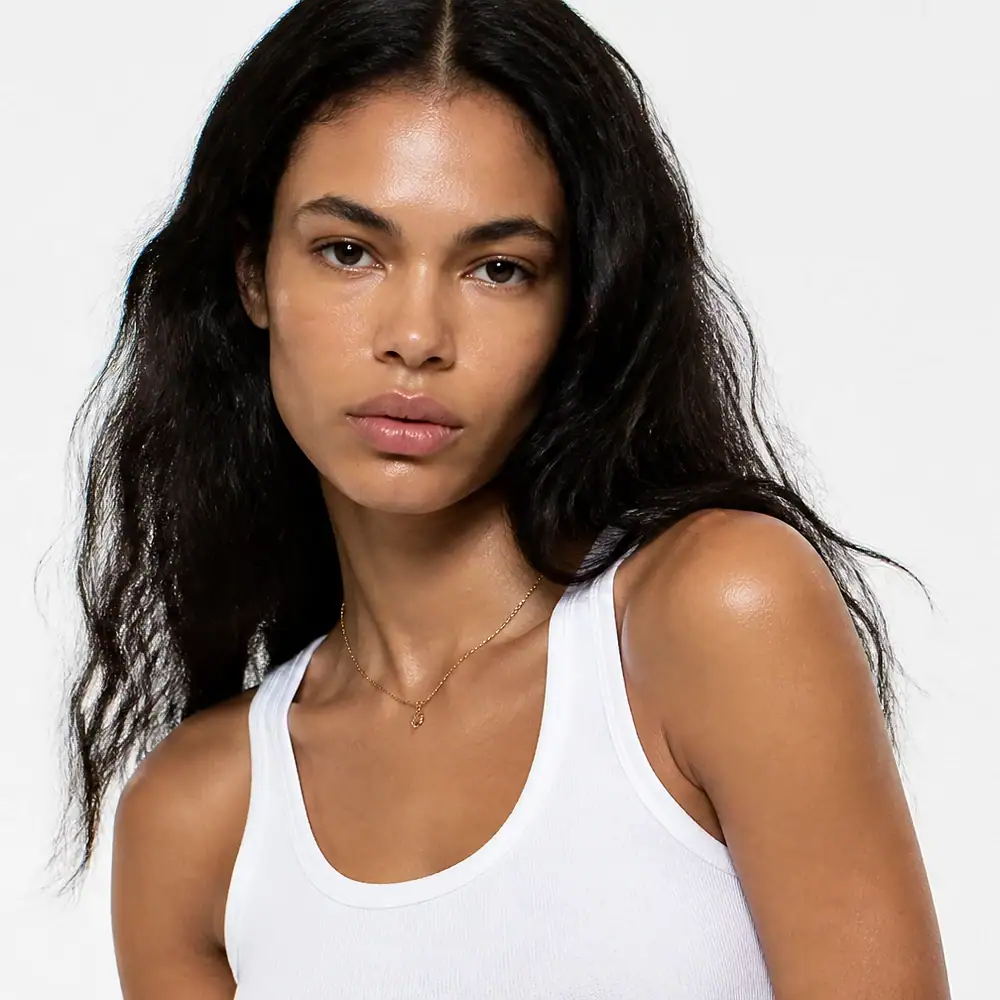
To an untrained eye, model digitals: often referred to in the industry as polaroids or test boards: look almost deceptively simple. A model stands against a plain white wall or seamless paper, wearing minimal makeup and basic, neutral clothing. There are no elaborate mood lighting setups, no dramatic fashion styling, and no heavy post-production color grading.
Yet, ask any scouting director or top modeling agency in New York City, and they will tell you that getting these “simple” shots right is one of the most demanding tasks in commercial and editorial photography.
At Ken Jones Photography, located in downtown Manhattan, we frequently work with emerging and established talent preparing their portfolios. The misconception is that because digitals are stripped down, anyone with a smartphone can snap them. In reality, modern agencies look for absolute truth in a digital package. They need honest, high-end frames that prove a model’s true bone structure, skin texture, and physical proportions without software-driven intervention.
The Purpose of Modern Agency Digitals
In the fast-paced ecosystem of contemporary fashion, advertising, and editorial markets, a model’s digitals are their business card. Before an agency books a talent for a major fashion editorial or a commercial campaign, creative directors and bookers scrutinize these baseline images.
Digitals serve a very specific, utilitarian function:
- True Proportions: Showing the model’s exact height-to-weight proportion and body symmetry.
- Bone Structure: Revealing jawlines, cheekbones, eye sets, and facial symmetry without shadows obscuring features.
- Skin Reality: Presenting the skin as it actually is, showcasing natural texture without aggressive digital smoothing.
- Versatility: Displaying the face from straight-on, profile, and three-quarter angles, alongside full-length and mid-length frames.
Because bookers make split-second decisions based on these portfolios, every single element: from the fall of the light to the camera height: must be executed with professional precision.
Professional Lighting vs. The “iPhone Trap”
One of the most common questions we hear from aspiring talent and boutique agencies is: “Why can’t I just use my iPhone? iPhone photos look sharp, bright, and clean anyway.”
It is true that modern smartphones take impressive snapshots. Computational photography algorithms inside phones instantly apply automatic HDR, local contrast boosts, edge sharpening, and skin softening. To the average consumer, the resulting image looks polished and ready to post on social media.

However, computational enhancement is the exact opposite of what an agency wants in a digital.
When a smartphone algorithm automatically smooths skin texture, alters local contrast, or compresses dynamic range, it distorts reality. It flattens facial planes, masks natural bone structure, and creates an artificial look. Casting directors and agency bookers rely on their trained eyes to evaluate raw, unfiltered physical reality. If a software filter alters a jawline or blurs pores, the image fails its primary purpose.
Professional agency photography relies on physical optics and precise lighting control rather than software algorithms:
- Controlled Diffusion: Large softboxes or octaboxes wrap light smoothly around the face, revealing natural contours without harsh, unflattering shadows under the nose or eyes.
- Color Accuracy: Professional strobe or continuous lighting systems ensure true-to-life skin tones without the unpredictable color casts common in mixed indoor lighting or smartphone sensors.
- Optical Compression: Using professional medium-telephoto portrait lenses prevents wide-angle facial distortion, ensuring features appear exactly as they do in person.
Anatomy of a Professional Model Digital Shoot
Achieving that effortless, clean look in-camera requires rigorous attention to detail on set. Here is how professional professional model portraits and digitals are structured in a professional studio environment:
1. Lighting Discipline
The standard for digitals is clean, even, shadowless illumination: often referred to as beauty or butterfly lighting, but kept exceptionally neutral. We position diffused light sources directly in front of the subject at eye level or slightly above, paired with white reflectors below to gently lift shadows under the chin. There are no dramatic chiaroscuro shadows or colored gels; the light simply reveals form.
2. Posing and Stance
Simplicity does not mean stiffness. Posing for digitals requires subtle body control. For full-length shots, foot placement and posture must showcase natural lines without awkward tension. For headshots, slight micro-adjustments in chin angle and shoulder rotation can mean the difference between a flat snapshot and a striking, dimensional portrait.

3. Styling and Grooming
Agencies insist on bare essentials:
- Hair: Clean and natural. Usually shot both down and pulled back into a simple tight bun or ponytail to reveal the hairline and ears.
- Makeup: None, or extremely minimal “no-makeup” grooming simply to even out active shine without masking freckles or skin texture.
- Wardrobe: Fitted, solid-neutral basics: typically a plain white or black tank top and fitted denim or neutral leggings. No distracting logos, busy patterns, or chunky jewelry.
Why Studio Precision Matters for Model Digitals NYC
In a competitive market like New York City, standards are exceptionally high. Brands, casting directors, and international agencies receive hundreds of submissions every week. An image that suffers from poor domestic lighting, bedroom clutter, or algorithmic smartphone distortion immediately signals a lack of professional preparation.
Working with an experienced commercial studio ensures that your test boards meet international agency standards. When every technical variable: lens choice, color balance, light falloff, and background neutrality: is handled by professionals, the talent remains the undisputed focus of the frame.

Whether you are an independent model building your initial test package, an agency developing new faces, or a creative team planning a beauty editorial, investing in professional digitals guarantees authenticity, clarity, and impact.
Planning Your Next Digitals Session
If you are looking to update your portfolio with clean, industry-standard agency digitals, professional headshots, or test packages in Lower Manhattan, contact Ken Jones Photography to discuss your production needs.