

TL;DR:
- A photography studio rental is a dedicated space that offers controlled lighting and backgrounds for professional photo shoots. It reduces weather and light variability, ensuring consistent results and elevating image quality, especially for commercial clients. Costs vary widely, with higher-end NYC studios exceeding $200 per hour, and renters should always plan for setup and teardown time to avoid overtime charges.
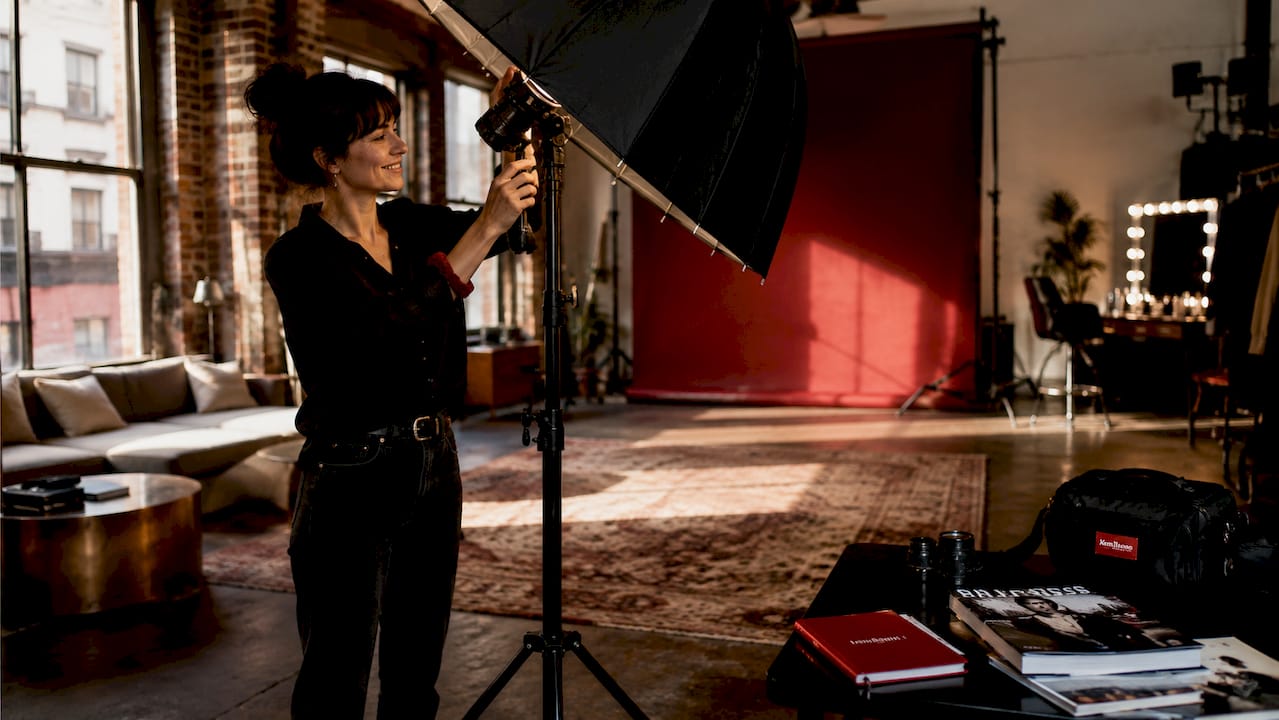
A photography studio rental is a designated space you lease for professional photo shoots, offering controlled lighting, purpose-built backgrounds, and production amenities that outdoor or home environments simply cannot replicate. The term “studio rental” is the standard industry phrase for this service, though you will also hear it called a “photo studio hire” or “studio space booking” depending on the market. Whether you are shooting a fashion editorial, a corporate headshot campaign, or a beauty product launch, a rented studio gives you a predictable, repeatable environment. That consistency is the core value proposition. Kenjonesnyc has operated in Manhattan’s Financial District for over 30 years, and the difference a proper studio makes to final image quality is not subtle.
What is a photography studio rental, and why does it matter?
A photography studio rental is a commercial space leased by the hour or day, equipped with power infrastructure, lighting options, and backdrops designed specifically for photo and video production. Unlike shooting on location, a rented studio eliminates weather and light variability, which directly reduces post-production time and keeps brand imagery consistent across campaigns. That consistency matters enormously for commercial clients who need every product shot or headshot to match a defined visual standard.
Studios range from bare-bones “empty shell” spaces that offer nothing but four walls and power outlets, to fully equipped production environments with strobe lighting systems, seamless paper backdrops, grip equipment, wardrobe rooms, and client lounge areas. The right choice depends entirely on what you are shooting and what gear you already own. A fashion photographer with a full lighting kit needs different things from a studio than a corporate team booking headshots for the first time.
The benefits of studio rentals extend beyond the physical space. A professional environment signals credibility to clients, elevates the perceived quality of the work, and creates a production context that supports creative direction, styling, and casting in ways that a living room or parking garage simply cannot.
What are typical costs and pricing structures for photography studio rentals?
Photography studio costs vary significantly by market, studio tier, and what is included in the rate. Hourly rates range from $40–$60 for budget studios in smaller markets, $60–$100 for mid-range spaces, and $100–$150 or more for high-end studios. In New York City, premium studios regularly exceed $200 per hour. That price gap reflects real differences in ceiling height, power capacity, equipment quality, and location convenience.
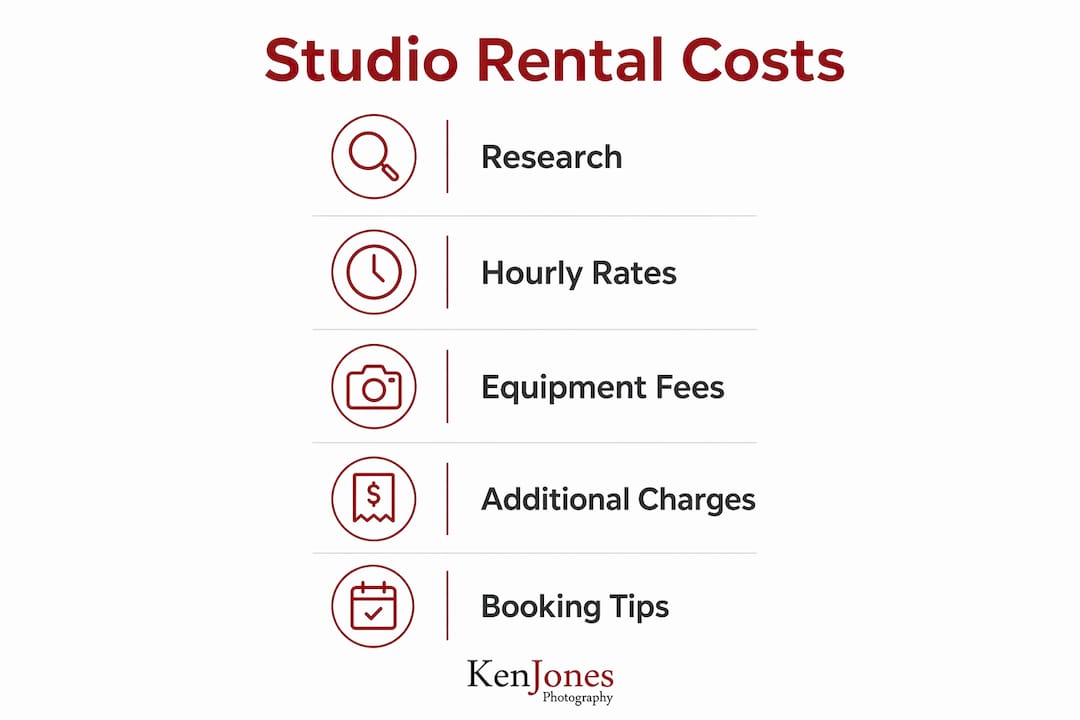
Beyond the base hourly rate, most studios charge separately for equipment. Lighting and grip packages typically add $50–$150 to the session cost. Unfurnished rentals include only the space and power, which suits photographers who travel with their own gear. Always ask what the base rate actually covers before assuming a price includes strobes or modifiers.
Here is a practical breakdown of what to expect at each pricing tier:
| Studio tier | Hourly rate range | Typical inclusions |
|---|---|---|
| Budget | $40–$60 | Space, basic backdrops, limited power |
| Mid-range | $60–$100 | Space, seamless paper, some lighting gear |
| High-end | $100–$150+ | Full lighting kit, grip, wardrobe, client area |
| NYC premium | $200+ | Production-grade equipment, dedicated staff, multiple sets |
Additional fees to watch for include:
- Cleaning fees if the shoot involves food, glitter, paint, or heavy prop use
- Overtime charges billed at 1.5x the hourly rate after your booked window ends
- Parking or loading dock fees in urban buildings with limited access
- Security deposits on top of the rental fee, refundable after inspection
Pro Tip: Ask for an itemized quote before booking. Studios sometimes advertise a low base rate and then add equipment, cleaning, and parking fees that double the actual cost.
What amenities and equipment are commonly included in studio rentals?
The gap between what a studio advertises and what it actually provides is one of the most common sources of frustration for first-time renters. A photo studio amenities comparison shows that even studios at the same price point can differ dramatically in what they include.
Most equipped studios offer some combination of the following:
- Lighting: Strobe heads, monolights, or continuous LED panels with softboxes and reflectors
- Backdrops: Seamless paper rolls in multiple colors, muslin, or vinyl options
- Grip equipment: Light stands, C-stands, sandbags, clamps, and boom arms
- Wardrobe area: A private changing room or curtained space for talent
- Restrooms: Dedicated to the rental, not shared with a building’s general tenants
- Load-in access: A freight elevator or ground-level entrance for heavy equipment
Power capacity is a detail that photographers often overlook until it causes a problem. Shared power circuits can fail when multiple strobe packs, HVAC systems, and hair dryers run simultaneously. Before booking, ask how many dedicated circuits the studio provides and what the total amperage is. Bringing a power distribution strip rated for production use is a smart precaution on any high-output shoot.
Natural light studios deserve special scrutiny. Digital listing photos can be misleading, and a studio that looks flooded with light in a marketing image may face north or have windows blocked by adjacent buildings. Verify the studio’s window orientation and the time of day when natural light actually peaks before committing to a booking.
Pro Tip: For natural light shoots, ask the studio manager what time of day the light is strongest and which direction the windows face. A south-facing studio in Manhattan delivers very different light at 10 a.m. than at 3 p.m. See the daylight studio rental guide for a full breakdown.
How does the booking process for photography studio rentals typically work?
The studio rental booking process follows a fairly standard sequence across most markets, though the details vary by studio. Knowing the steps in advance prevents costly surprises on shoot day.
- Submit an inquiry. Contact the studio with your shoot date, duration, crew size, and equipment needs. Most studios respond within 24 hours with availability and a quote.
- Review the contract. Read every clause before signing. Pay attention to cancellation terms, overtime rates, damage liability, and any restrictions on the type of shoot (some studios prohibit certain content categories).
- Pay the deposit. Studios typically require a 50% deposit to hold the booking, with the balance due before or on the shoot day. Some studios require full payment upfront for same-week bookings.
- Provide proof of insurance. Most professional studios require general liability insurance with a minimum $1,000,000 coverage limit. One-time renters can purchase short-term policies for $75–$150 per day through providers that specialize in event and production coverage.
- Confirm logistics. Verify load-in time, parking access, equipment availability, and any studio-specific rules about food, candles, or open flames.
- Arrive on time and depart on time. Your booked window is exactly that. Overtime fees apply the moment you run past your end time.
The most common and costly mistake first-time renters make is forgetting to book setup and teardown time. A four-hour shoot does not mean four hours of shooting. You need time to unload gear, build sets, brief talent, and then break everything down at the end. Budget at least 30–60 minutes on each end, and book that time explicitly.
For a detailed walkthrough of contracts and fees, the studio rental contracts guide covers the clauses that matter most.
Pro Tip: If your shoot involves multiple setups or a large crew, add a full hour of buffer time to your booking. The cost of that extra hour is always less than an overtime penalty charged at 1.5x the hourly rate.
What key factors should renters consider when choosing a photography studio?
Choosing the right studio space goes well beyond comparing square footage and price. The physical characteristics of the space determine what you can and cannot shoot there.
Ceiling height is often more critical than floor space. A ceiling below 10–12 feet prevents you from using large light modifiers like 7-foot parabolic umbrellas or overhead boom setups. For commercial beauty or fashion work, that restriction is a serious creative limitation. A studio with 500 square feet and 14-foot ceilings is more useful for most professional shoots than a 1,000-square-foot space with 9-foot ceilings.
Beyond ceiling height, evaluate these factors before committing:
- Lighting control: Can you fully blackout the windows? Uncontrolled ambient light fights your strobe exposure and creates color casts.
- Power capacity: How many dedicated circuits are available, and what is the total amperage? This determines how many strobes you can run simultaneously.
- Load-in logistics: Is there a freight elevator, a loading dock, or only a narrow staircase? Heavy equipment and large props make this a critical question.
- Noise and privacy: Is the studio above a restaurant, next to a construction site, or in a building with shared hallways? Noise bleeds into video audio and disrupts talent.
- Bathroom access: Is there a private restroom for the rental, or do talent and crew share a building bathroom?
The table below compares what to prioritize based on shoot type:
| Shoot type | Ceiling height priority | Lighting control | Equipment needs |
|---|---|---|---|
| Fashion editorial | High (14 ft+) | Full blackout preferred | Full strobe kit, modifiers |
| Corporate headshots | Moderate (10–12 ft) | Partial control acceptable | 2–3 light setup |
| Product photography | Low (9–10 ft acceptable) | Full blackout required | Macro-capable lighting |
| Beauty campaigns | High (12 ft+) | Full blackout preferred | Ring light, beauty dish |
How can photographers maximize the value of their studio rental sessions?
Getting the most out of a rented studio starts before you arrive. Thorough pre-production planning is the single biggest factor in whether a shoot runs efficiently or burns through your booked time without producing usable images.
Build a detailed shot list and share it with your team before shoot day. Know exactly which setups you need, in what order, and how long each one realistically takes. Coordinate equipment rentals in advance so gear arrives before your session starts, not during it. If the studio provides lighting, confirm the specific models available and test your familiarity with them beforehand.
Arrive at the start of your booked window, not at the start of your shoot time. Use the first 20–30 minutes to unload, organize the space, and do a lighting test before talent arrives. Talent time is expensive. Wasting it while you sort out a malfunctioning strobe pack is a mistake that experienced photographers do not make twice.
Here are the practical habits that separate efficient studio renters from those who consistently run over time:
- Confirm all bookings and logistics in writing 48 hours before the shoot
- Pre-build your lighting diagrams and share them with your gaffer or assistant
- Bring backup equipment for anything critical: extra sync cables, spare bulbs, a second camera body
- Assign one person to track time and give the team a 30-minute warning before the session ends
- Leave the space cleaner than you found it to protect your deposit and your relationship with the studio
Pro Tip: Coordinate equipment rentals versus bringing your own gear based on what the studio already provides. Renting a full strobe kit from the studio is often cheaper than hauling your own from across the city, and it eliminates transit risk.
A real-world lesson from NYC shoots: a fashion client once booked a four-hour session for a six-setup lookbook. No shot list, no lighting plan, and the stylist arrived 45 minutes late. They shot two setups, paid for two hours of overtime, and had to rebook. The cost of that second session was more than the original rental. Planning is not optional at professional rates.
Key takeaways
A photography studio rental gives photographers and creative teams a controlled, professional environment that directly improves image quality, reduces post-production time, and supports consistent brand results.
| Point | Details |
|---|---|
| Definition and core value | A studio rental is a leased production space that eliminates lighting and weather variables for consistent results. |
| Cost ranges by market | Hourly rates run $40–$200+ depending on market tier, with NYC premium studios exceeding $200 per hour. |
| Ceiling height over floor space | Prioritize ceilings of 12 feet or more; low ceilings restrict lighting setups more than limited square footage. |
| Book setup and teardown time | Always add 30–60 minutes on each end of your shoot window to avoid costly overtime penalties. |
| Insurance is non-negotiable | Most studios require $1,000,000 general liability coverage; short-term policies cost $75–$150 per day. |
What 30 years of studio work taught me about renting space
The first thing I tell photographers who are new to studio rentals is this: the space does not make the shot, but the wrong space will absolutely ruin it. I have shot in studios across Manhattan, from raw loft spaces in the Meatpacking District to purpose-built production floors in Midtown, and the variables that matter most are almost never the ones people ask about first. Everyone asks about price. Almost nobody asks about ceiling height or circuit capacity until they are mid-shoot with a blown breaker.
The business case for renting a professional studio is also stronger than most photographers realize. Photographers who shoot in professional studios can charge 65%–100% more per session because the environment signals quality to clients before a single frame is captured. That is not a small number. A studio rental that costs $400 for a half-day can justify a rate increase that pays for itself many times over across a year of bookings.
The mistake I see most often is renters treating the studio like a location rather than a production tool. A studio is not just a backdrop. It is a controlled system where you manage every variable: light, sound, temperature, access, and time. When you approach it that way, your shoots become more efficient, your images become more consistent, and your clients notice. The commercial photography work that commands premium rates almost always comes out of a properly managed studio environment.
My honest advice: visit the studio before you book it for anything important. Walk the space, test the light, check the outlets, and ask the manager every question that feels too basic to ask. There are no dumb questions before a shoot. There are only expensive surprises on shoot day.
— Ken
Studio rental sessions at Kenjonesnyc in Manhattan’s Financial District
Kenjonesnyc offers professional studio rental sessions from its Manhattan Financial District location, with a production environment built for fashion, beauty, commercial, and corporate work.
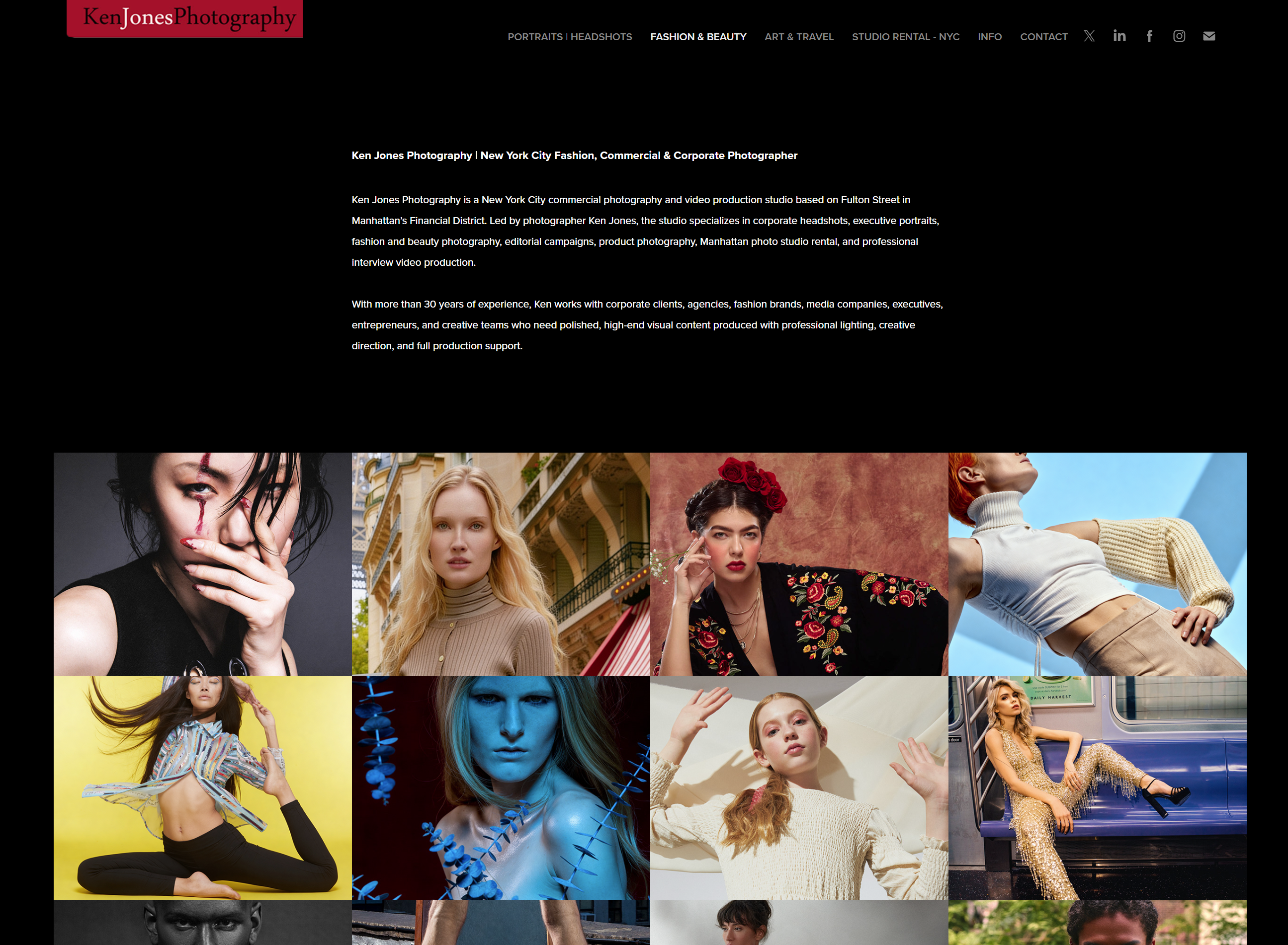
The studio supports full production days including casting, styling, and creative direction, with equipment and space configured for high-end results. Whether you are producing an advertising campaign, a luxury product shoot, or corporate headshots, the space and team are equipped to deliver. Visit kenjonesnyc.com to view the portfolio and discuss your next session.
FAQ
What is included in a typical photography studio rental?
Most studio rentals include the physical space, power access, and basic backdrops. Equipped studios add lighting, grip equipment, and wardrobe areas, though these often carry additional fees of $50–$150.
How much does it cost to rent a photography studio in NYC?
NYC photography studio costs typically start around $100–$150 per hour for mid-range spaces and exceed $200 per hour for premium production studios. Budget markets outside NYC run $40–$60 per hour.
Do I need insurance to rent a photography studio?
Most professional studios require general liability insurance with at least $1,000,000 in coverage. First-time renters can purchase short-term one-day policies for $75–$150 through production insurance providers.
How far in advance should I book a photography studio?
Booking one to two weeks in advance is standard for most markets. High-demand NYC studios during peak seasons often require two to four weeks of lead time for weekend or full-day sessions.
What is the minimum rental duration for most photography studios?
Studios typically set minimums of 2–4 hours for hourly bookings, with full-day rates covering 8–10 hours. Always book setup and teardown time within your reserved window.