
A professional headshot may be used on a company website, LinkedIn profile, press release, presentation, annual report, or marketing campaign. For an executive or corporate team, it also becomes part of the company’s visual identity.
That makes choosing a headshot photographer more important than comparing a few attractive images online. You need to know how the photographer works, what the session includes, and whether the final portraits will support the way you and your company need to be seen.
Whether you are looking for corporate headshots in NYC, executive portraits for a leadership team, or updated professional headshots for your own profile, these are seven useful questions to ask before booking.
1. Do you have experience with my industry and the purpose of the images?
A headshot for a law firm may need a different visual approach from a portrait for a technology company, financial firm, healthcare practice, or creative business. The differences may be subtle, but they affect the background, wardrobe, expression, lighting, and overall level of formality.
Start by explaining where the images will appear and what you want them to communicate. For example:
- Are the portraits for LinkedIn profiles?
- Will they appear on a company website?
- Are they being created for a rebrand?
- Do you need formal executive portraits or approachable team images?
- Will the images be used for press, advertising, or internal communications?
- Does the entire team need to look consistent?
A photographer with commercial and corporate experience should be able to discuss those goals before the session rather than treating every headshot assignment the same way.
At Ken Jones Photography, corporate portraits are approached as part of a broader visual communication plan. The goal is not simply to make someone look polished. The portrait should also make sense within the company’s brand, audience, and intended use.
Ask to see examples that are relevant to your needs: not necessarily from the exact same industry, but with a similar level of professionalism, formality, and visual direction.
2. What is your lighting approach?
Lighting is one of the main differences between a quick staff photo and a carefully produced professional portrait. It affects how the face is shaped, how clothing appears, how much depth the image has, and whether the portrait feels direct, welcoming, authoritative, or editorial.
Ask the photographer to explain:
- Whether they use studio lighting, natural light, or a combination
- How they choose the direction and softness of the light
- How they handle glasses, shiny skin, gray hair, or strong facial features
- How they maintain consistency across a group
- Whether the lighting will be adjusted for different people rather than left unchanged
There is no single lighting setup that works for every executive or company. A strong photographer understands how to control the light while making adjustments for each subject.
Clean, neutral backgrounds can be especially effective for corporate headshots because they keep attention on the person. But a neutral background should not mean flat or lifeless lighting. Shape, separation, and controlled contrast still matter.

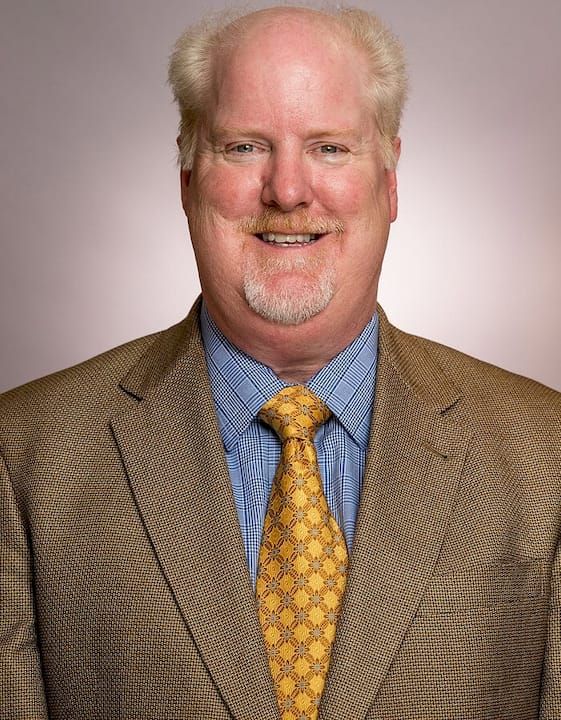
The two portraits shown in this article demonstrate why lighting and direction need to work together. The backgrounds are restrained, but the faces remain dimensional and expressive. The result is professional without looking like an identification photo.
For a team session, also ask how the photographer will make sure the lighting, framing, and background remain consistent from one person to the next. Consistency is essential when portraits will appear together on a staff page or leadership section of a website.
3. How do you direct people who are uncomfortable in front of the camera?
Most people who need a corporate headshot are not professional models. Executives may be comfortable leading a meeting or speaking with clients but still feel uncertain during a portrait session.
A good photographer should provide direction throughout the shoot. That may include guidance on:
- Posture and shoulder position
- Head angle and chin position
- Where to look
- How to position the hands
- Whether to smile or maintain a more serious expression
- How to create a natural, confident expression
- Small adjustments that improve the way clothing sits
The photographer should also allow enough time for the subject to settle into the session. The first frame is rarely the strongest one. Expression changes as people become more comfortable, and useful variations may come from very small adjustments in posture or eye direction.
This is particularly important for executive portraits. A formal portrait can still feel relaxed, and an approachable portrait can still communicate authority. The photographer’s job is to find the balance that fits the person and the company.
Before booking, ask how the photographer works with camera-shy subjects and how much direction you can expect. If the answer is simply “stand there and smile,” the process may not be detailed enough for the result you need.
4. What is included in the retouching?
Retouching should make a professional headshot look finished while preserving the person’s real appearance. The purpose is not to create an entirely different face.
Ask what the photographer’s standard retouching includes. Depending on the session, this may involve:
- Natural skin cleanup
- Temporary blemish removal
- Reduction of distracting shine
- Stray hair cleanup
- Minor clothing or background cleanup
- Color and exposure correction
- Subtle refinement of details such as under-eye areas or skin tone
You should also ask:
- How many final retouched images are included per person?
- Do you select the final image, or does the photographer?
- Can you request reasonable adjustments?
- Is more detailed retouching available if needed?
- Will you receive both high-resolution and web-ready files?
The right retouching style depends on the intended use. A LinkedIn headshot may need a natural, straightforward finish. An executive portrait for a major advertising or editorial application may call for more detailed post-production.
Ask to see finished examples and, when possible, before-and-after comparisons. This gives you a clearer understanding of the photographer’s standards than a portfolio alone.
5. Should we photograph in a studio or at our office?
There is no universal answer. The better option depends on the number of people, the schedule, the brand, and the visual style you want.
A studio session can provide:
- Controlled lighting
- A consistent background
- A private, focused environment
- More flexibility for lighting and framing
- A polished look across an entire team
An on-location session can be useful when the office itself is part of the company’s identity or when scheduling makes it difficult for employees to travel. It may also allow for environmental portraits that show more context and personality.
However, office photography requires planning. Available space, windows, overhead lighting, power, background distractions, and employee flow can all affect the result. A professional photographer should be able to assess the location and determine what equipment and setup are needed.
Ken Jones Photography offers both studio-based and on-location photography for corporate and commercial clients. The studio in downtown Manhattan provides a controlled setting for portraits, while on-location production can bring the photography into an office or another appropriate environment.
When comparing the options, ask which setting best supports your goals: not simply which one is more convenient. You can also ask whether a session can include both standard headshots and a smaller number of environmental executive portraits.
6. What is the turnaround time and how will the images be delivered?
A headshot session often supports a larger business deadline. You may be launching a new website, announcing a leadership change, updating employee profiles, preparing press materials, or refreshing a company’s marketing assets.
Before booking, confirm:
- When you will receive proofs or image selections
- How long final retouching takes after selections are made
- Whether a rush service is available
- How the files will be delivered
- What file sizes and formats are included
- Whether the images will be prepared for both web and print use
For team sessions, clarify whether all employees will receive images at the same time. If the company needs to update a website, it is usually more efficient to establish a clear selection and delivery process before the shoot.
It is also worth asking how image selections are handled. Some clients prefer to make the final choice themselves, while others want the photographer to recommend the strongest expression and framing. Either approach can work, but it should be agreed upon in advance.
7. What usage rights are included, and how will a team session be organized?
Usage is an important part of commercial photography. A company may want to use portraits on its website, LinkedIn, social media, printed materials, recruiting pages, press announcements, or advertising.
Ask the photographer to explain the usage or licensing terms clearly:
- Which media are included?
- Are the images for personal use, company use, or both?
- Are there restrictions on advertising or paid campaigns?
- Are there time, geographic, or platform limitations?
- Is additional licensing required for expanded use?
- Who retains copyright to the photographs?
The answer will depend on the type of assignment and intended use. What matters is that the terms are clear before production begins.
For team sessions, also ask about the logistics:
- How many people can be photographed in one session?
- How much time should be allowed per person?
- Can new employees be added later while maintaining the same style?
- Who coordinates the schedule?
- What happens if an executive needs a separate portrait setup?
- Can the photographer provide a consistent crop and orientation for everyone?
A well-organized team session is a production project, not simply a series of individual appointments. A photographer should be able to discuss scheduling, setup, image consistency, and delivery in practical terms.
Make the conversation specific before you make the booking
The best headshot photographer for your project is not necessarily the one with the most dramatic portfolio. Look for someone who understands the business purpose of the images, can explain the lighting and direction clearly, offers an appropriate studio or location setup, and provides straightforward information about retouching, delivery, usage, and scheduling.
Ken Jones Photography provides corporate headshots, executive portraits, and commercial photography in New York City, with both studio and on-location options. To discuss your requirements, contact Ken Jones Photography, reserve a shoot, or review the studio’s galleries.
A clear conversation before the session helps everyone arrive prepared: and gives you portraits that remain useful long after the day of the shoot.