
TL;DR:
- Advertising photography involves deliberately crafted images that promote brands, communicate value, and drive consumer response. It relies on technical precision, strategic composition, and understanding psychology to produce emotionally engaging visuals that influence purchasing decisions. Proper planning, clear briefs, and professional post-production are essential to maximize the effectiveness and return on investment of advertising campaigns.
Advertising photography is defined as the strategic creation of professional images designed to promote a product, service, or brand by capturing attention, communicating value, and motivating consumer action. Unlike casual or documentary photography, every frame in an advertising image is a deliberate decision. Lighting angles, focal length, color palette, and subject placement are all engineered to serve a marketing goal. Brands like Nike, Apple, and Chanel have built global recognition on the strength of their visual campaigns, not just their products. Understanding what advertising photography is, and how it works, gives businesses a measurable advantage in how their brand is perceived and how effectively it converts attention into sales.
What is advertising photography and why does it matter for brands?
Advertising photography is the craft of producing images that function as marketing tools. The industry term most professionals use is commercial advertising photography, which distinguishes it from documentary, fine art, or editorial work. Where a photojournalist captures reality as it unfolds, an advertising photographer constructs reality to serve a brand’s message.
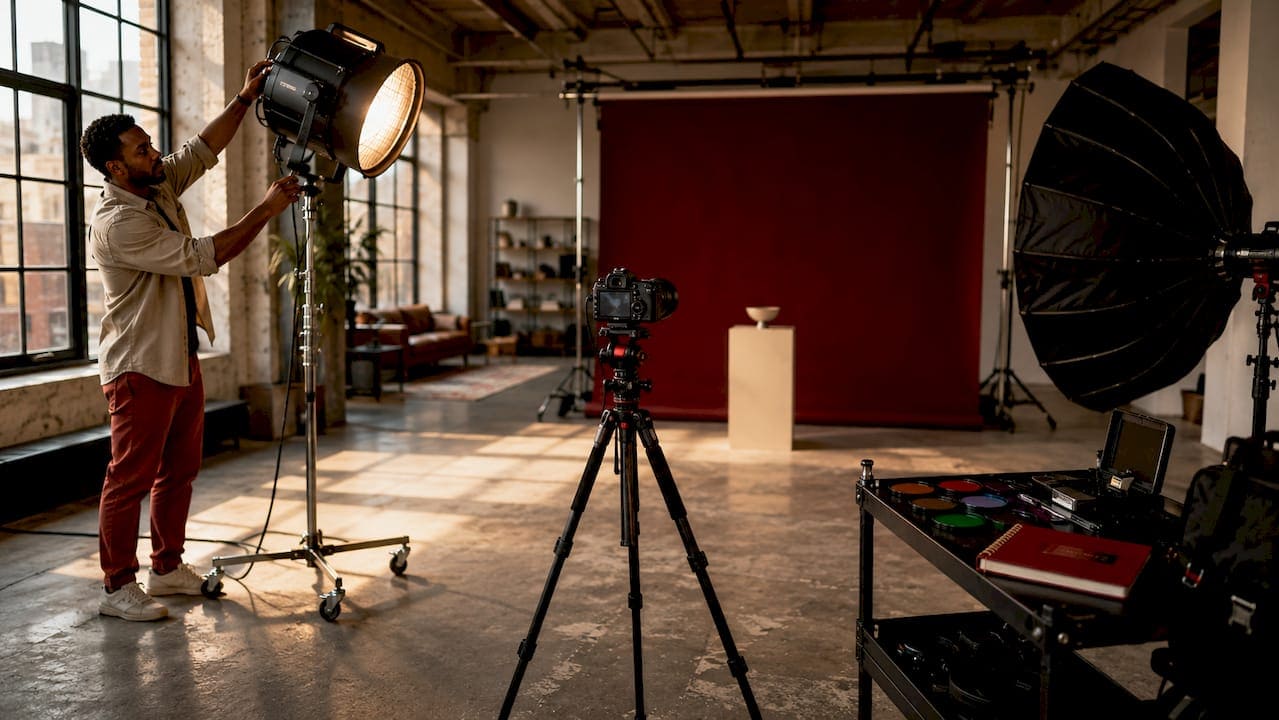
The importance of advertising photography is backed by clear evidence. Studies show that poor-quality images disengage customers, while professional, authentic imagery positively influences brand perception, loyalty, and conversion rates. This means a single poorly lit product shot can undermine months of brand-building work.
Consider how Apple approaches every product launch. The images are not photographs of a phone sitting on a table. They are precisely lit, composited scenes that communicate aspiration, simplicity, and premium quality before a single word of copy is read. That level of intentionality is what separates advertising photography from everything else.
For businesses operating in competitive markets, whether in fashion, beauty, consumer goods, or professional services, the visual layer of marketing is often the first and most lasting impression a potential customer receives. Getting it right is not optional.
How does advertising photography influence consumer purchasing decisions?
The psychological mechanism behind effective advertising images is more specific than most marketers realize. Research involving 1,184 participants across five studies demonstrated that displaying the last stage before consumption (LSC) in an advertisement significantly increases purchase intention for hedonic products. This means showing a perfume bottle with the cap removed and held near skin, rather than simply displayed on a shelf, triggers a stronger desire to buy. The brain begins to simulate the experience of using the product, and that mental rehearsal creates emotional investment.
This concept, known as mental simulation, is the reason advertising photography for food brands almost always shows the product mid-use. A coffee brand does not photograph a sealed bag of beans. It photographs steam rising from a freshly poured cup, held in both hands, on a quiet morning. The image activates the viewer’s imagination and emotional memory, making the product feel personally relevant.
“Imagery depicting the last stage before product consumption activates mental simulation pathways, enhancing emotional resonance and likelihood to purchase.” — Current Psychology, Springer Nature
The image analytics framework developed by the American Marketing Association confirms that measurable visual features, including composition, the presence of people, and emotional tone, directly influence marketing outcomes. This means advertising images are not just creative outputs. They are performance variables that can be measured, tested, and optimized.
The distinction between hedonic and functional products also matters here. Hedonic products, those purchased for pleasure or emotional satisfaction, respond more strongly to imagery that evokes feeling and experience. Functional products benefit from images that emphasize clarity, reliability, and ease of use. Knowing which category your product falls into shapes every creative decision in the shoot.
Pro Tip: When briefing a photographer for a hedonic product, ask specifically for images that show the product in active use or at the moment of enjoyment. Avoid static, isolated product shots for categories like food, fragrance, fashion, or wellness.
What are the core techniques and standards used in advertising photography?
Producing a clean, credible advertising image requires far more than a good camera and natural light. The technical standards in professional advertising photography are exacting, and understanding them helps businesses evaluate whether a photographer is truly equipped for the work.
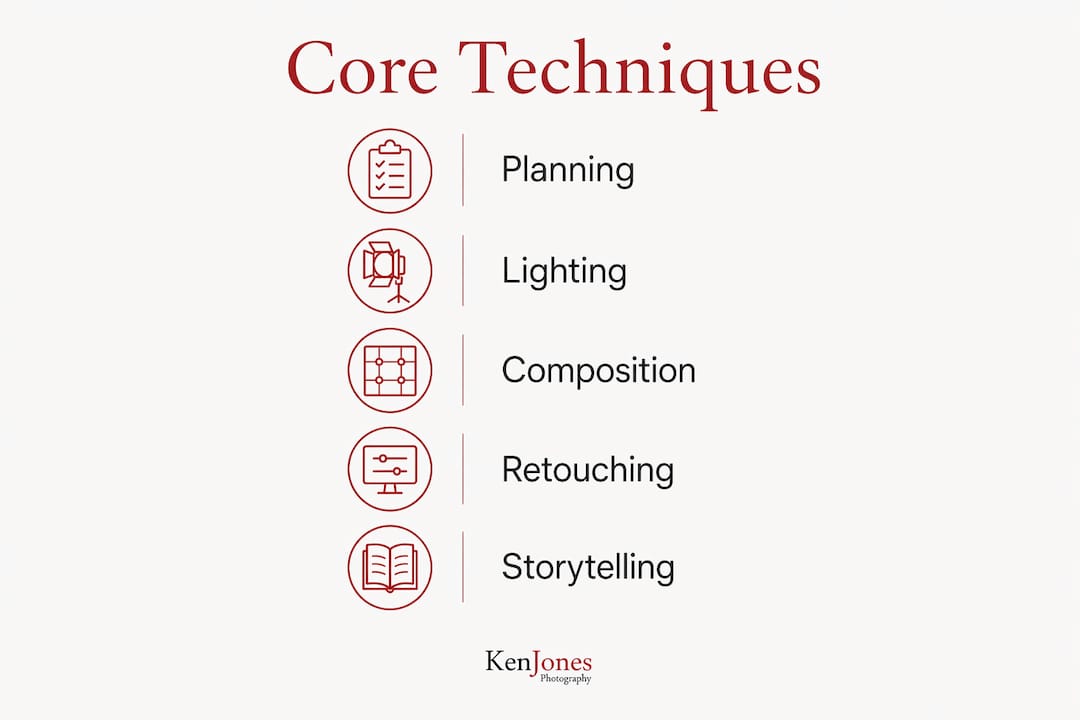
The following are the core production techniques that define professional advertising photography:
-
Controlled lighting design. Professional advertising shoots use lighting modifiers, including softboxes, beauty dishes, reflectors, and grids, to shape light with precision. Controlled light shaping and deliberate reflection placement are critical for clean, premium advertising images. A single highlight in the wrong position on a glass bottle can read as amateur. Getting it right often requires multiple light sources, diffusion panels, and careful flagging to block unwanted spill.
-
Compositing multiple frames. Most polished advertising images you see in print or on billboards are not single exposures. Photographers shoot multiple frames with different lighting setups, then composite them in post-production using tools like Adobe Photoshop. A watch advertisement, for example, might combine a frame lit for the dial, another for the bracelet, and a third for the background, all merged into one seamless image.
-
Lens selection and depth of field. Focal length shapes how a product looks in relation to its environment. A 100mm macro lens compresses background elements and isolates a product with precision. A wider lens at close range can distort proportions in ways that read as cheap. Most advertising photographers working with products use focal lengths between 85mm and 150mm to maintain natural proportions and clean separation from the background.
-
Composition and brand consistency. The rule of thirds, leading lines, and negative space are not decorative choices. They direct the viewer’s eye toward the product or key message. Brand consistency in color palette, composition style, and tonal range across a campaign creates instant recognition, which is the foundation of effective advertising.
-
Retouching and color grading. Post-production is not an afterthought. It is where the image is finalized to match the brand’s visual identity. Skin retouching in beauty campaigns, color correction for product accuracy, and background cleanup are all standard steps. The goal is not to deceive, but to remove distractions and present the product at its best.
Pro Tip: Ask your photographer to show you examples of their retouched finals alongside the raw captures. The gap between those two images tells you everything about their post-production skill and whether their finished work will match your brand standards.
How does advertising photography differ from commercial and product photography?
These three terms are often used interchangeably, but they describe distinct approaches with different goals. Understanding the difference helps businesses hire the right photographer and brief them correctly.
Commercial photography focuses on product depiction, while advertising photography uses storytelling and emotion to engage consumers. Commercial photography is the broader category. It includes any image produced for business use, from corporate headshots to real estate interiors to catalog shots. Advertising photography is a specialized subset of commercial work, defined by its intent to persuade and its integration of marketing strategy.
Product photography sits within the commercial category and focuses specifically on clear, accurate representation of a product, typically for e-commerce, catalogs, or press kits. The goal is clarity and accuracy. Advertising photography, by contrast, prioritizes emotional resonance and brand narrative over literal product depiction.
| Type | Primary goal | Typical use | Emotional component |
|---|---|---|---|
| Advertising photography | Persuade and evoke emotion | Campaigns, billboards, brand ads | High |
| Commercial photography | Represent business visually | Headshots, real estate, catalogs | Low to moderate |
| Product photography | Show product clearly and accurately | E-commerce, press kits, lookbooks | Low |
The practical implication for businesses is this: if you need images that sell a feeling or a lifestyle alongside a product, you need advertising photography. If you need accurate images for a product listing on a retail platform, product photography is the appropriate choice. Knowing which you need before you book a photographer saves time, budget, and creative misalignment.
It is also worth noting that commercial photography enhances brand luxury when executed at the advertising level. The line between the two blurs when a brand invests in high-production commercial work that carries the emotional weight of advertising. This is where experienced photographers who understand both disciplines add the most value.
What practical steps should businesses follow for effective advertising photography?
Planning a successful advertising shoot requires decisions made well before the camera is ever picked up. The most common reason campaigns underperform visually is not poor photography. It is poor preparation.
-
Define the concept and emotional goal first. Before selecting a photographer, know what feeling you want the image to produce. Is it aspiration? Trust? Excitement? Comfort? That emotional target shapes every other creative decision, from casting to location to lighting style.
-
Know your platform and format requirements. An image designed for a full-page magazine spread has different compositional needs than one built for an Instagram square or a horizontal billboard. Aligning imagery style with brand identity and marketing platform maximizes engagement. Brief your photographer on all intended uses before the shoot, not after.
-
Work with a photographer who understands creative direction. Advertising photography is a collaboration between the photographer’s technical skill and the brand’s strategic vision. A photographer who only takes direction without contributing creative input is a technician. The best advertising photographers push back constructively, suggest angles you have not considered, and bring production knowledge that improves the final image.
-
Invest in post-production as part of the budget. Retouching, color grading, and compositing are not extras. They are the final stage of production. Budget for them from the start. A well-retouched image from a mid-range shoot will outperform a poorly finished image from an expensive one.
-
Maintain consistency across the campaign. Consistency in color palettes, composition, and quality supports instant brand recognition. If your campaign runs across multiple platforms and the images look like they came from different shoots, the brand message fragments. Establish a visual style guide before production begins and hold every image to it.
The most common client mistake in advertising photography is treating the shoot as the end of the process rather than the middle. The brief, the creative direction, the casting, the styling, and the post-production are all equally part of the work. Skipping or rushing any one of them shows in the final image.
When selecting a photographer, reviewing their portfolio for professional business photos that demonstrate range and consistency is a practical starting point. Look for evidence that they can maintain a visual style across multiple images, not just produce one strong hero shot.
Key takeaways
Advertising photography is a strategic production discipline that combines technical precision with marketing intent to produce images that influence consumer behavior and build brand equity.
| Point | Details |
|---|---|
| Definition and purpose | Advertising photography creates purposeful images that promote brands and motivate consumer action. |
| Consumer psychology | Showing products in the last stage before use triggers mental simulation and increases purchase intent. |
| Technical standards | Controlled lighting, compositing, and precise retouching separate professional advertising images from casual photography. |
| Category distinctions | Advertising photography prioritizes emotion and narrative; product photography prioritizes accuracy and clarity. |
| Pre-shoot planning | Defining the emotional goal, platform requirements, and visual style guide before the shoot determines campaign success. |
Thirty years of shoots taught me this about advertising photography
After three decades of producing advertising campaigns in New York City, the thing that still surprises clients most is how much of the work happens before the shutter fires. I have had brands come to my Manhattan studio with a vague brief, a tight deadline, and the assumption that a good photographer will figure it out on the day. Sometimes that works. More often, it produces images that are technically fine and strategically useless.
The most successful campaigns I have worked on shared one characteristic: the client knew exactly what emotional response they wanted the image to produce, and they trusted the production team to engineer that response. That is not the same as micromanaging every frame. It means arriving with a clear creative brief, being open to the photographer’s input, and understanding that the image is a business asset, not just a pretty picture.
I have also watched brands spend significant budgets on advertising photography and then undermine the investment by skipping retouching, using the wrong crop for a platform, or mixing the new campaign images with older, stylistically inconsistent shots. The benefits of professional product photography are real, but they depend on the images being used correctly after the shoot.
The NYC market is unforgiving in this regard. Clients here are sophisticated, and so is the competition. An image that would pass in a smaller market gets scrutinized here against the best work in the world. That standard has made me a better photographer, and it has made my clients better at briefing. The brands that treat their advertising photography as a strategic investment, not a line item to minimize, are the ones whose campaigns I am most proud of.
— Ken
Work with Kenjonesnyc for advertising campaign photography in NYC
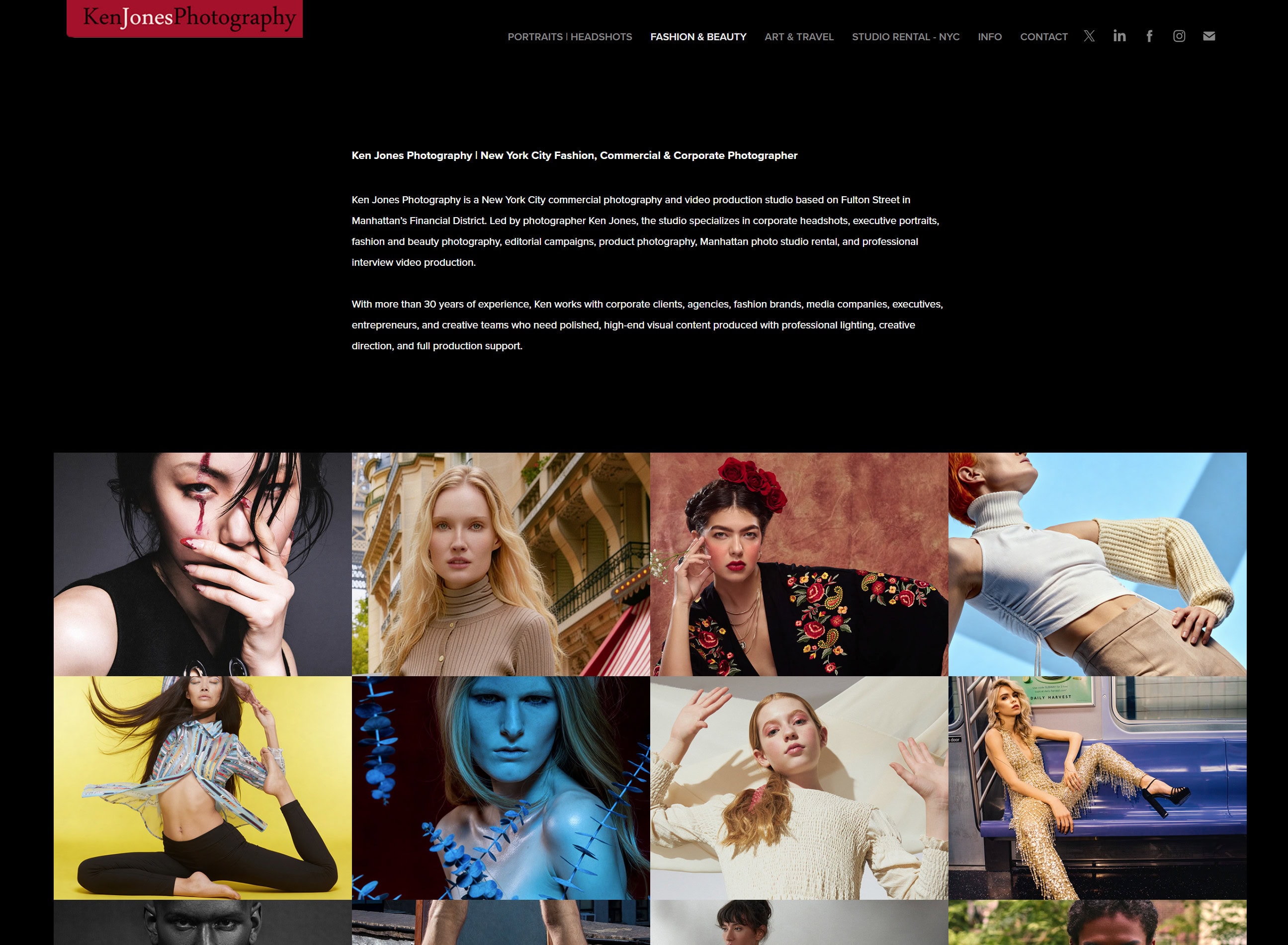
Kenjonesnyc operates from a full-service studio in Manhattan’s Financial District, producing advertising campaign photography for fashion brands, beauty labels, consumer products, and corporate clients. With over 30 years of production experience, the studio handles every stage of the process, from creative direction and casting to lighting design, styling, and post-production retouching. If your brand needs images that carry real marketing weight, the advertising campaign photography services at Kenjonesnyc are built for exactly that. For brands also looking to strengthen their e-commerce presence, the studio’s luxury product photography services deliver the same level of production quality at the product level. Reach out at kenjonesnyc.com to discuss your next campaign.
FAQ
What is advertising photography in simple terms?
Advertising photography is the professional creation of images specifically designed to promote a product, service, or brand. Every element of the image, from lighting to composition, is chosen to support a marketing goal and influence how the viewer feels about the brand.
How does advertising photography differ from product photography?
Product photography focuses on showing a product clearly and accurately, typically for e-commerce or catalogs. Advertising photography goes further by building emotional context and brand narrative around the product to persuade and engage consumers.
What makes good advertising photography?
Good advertising photography combines technical precision with strategic intent. It uses controlled lighting, deliberate composition, and post-production finishing to produce images that align with brand identity, evoke the right emotional response, and perform across the intended marketing platforms.
Why does the last stage before consumption matter in advertising images?
Research across five studies with 1,184 participants found that showing a product at the moment of use or consumption significantly increases purchase intention, particularly for hedonic products. The image activates mental simulation, making the viewer emotionally rehearse the experience of owning or using the product.
How much does advertising photography cost?
Costs vary widely based on production scope, usage rights, and the photographer’s experience. A single-day studio shoot with a professional advertising photographer in New York City typically ranges from a few thousand dollars for a simple product setup to significantly more for full campaign productions involving casting, styling, and location work.
Recommended
- Ken Jones Photography | NYC Fashion, Beauty & Commercial Photographer | Manhattan Studio Rental – Advertising Campaign Photography
- The Role of Photography in Ad Campaigns: 2026 Guide
- How Commercial Photography Makes Your Brand Look More Expensive
- How Advertising Agencies Select Photographers for Campaigns