

Most brand managers assume perceived luxury comes from product quality or price positioning alone. It does not. The way your brand looks in photographs shapes consumer judgment before a single word is read or a price tag is noticed. Understanding how commercial photography helps a brand look more expensive is one of the most practical and underutilized advantages in modern brand strategy. This article breaks down the psychology, the technical craft, the role of AI-powered production, and the specific steps you can take to make your visual content do the heavy lifting your pricing and copy cannot do on their own.
Table of Contents
- Key takeaways
- How commercial photography improves brand perception and trust
- Technical qualities that make commercial photography look expensive
- AI and hybrid workflows in commercial photography
- Practical strategies for brand managers
- My perspective on photography and brand equity
- Work with Kenjonesnyc to build a premium visual identity
- FAQ
Key takeaways
| Point | Details |
|---|---|
| Photography drives perceived value | High-quality commercial images trigger the halo effect, making consumers trust and value the entire brand more. |
| Technical craft signals luxury | Lighting, composition, styling, and retouching communicate premium quality before any message is read. |
| AI hybrid workflows reduce cost | Combining human expertise with AI production can cut costs significantly while maintaining visual consistency. |
| Consistency builds credibility | Uniform imagery across all channels signals professionalism and reinforces brand recognition over time. |
| Brief your photographer precisely | Clear creative direction aligned with brand identity is the single most important factor in getting premium results. |
How commercial photography improves brand perception and trust
There is a well-documented psychological principle at work every time a consumer sees a polished brand image. Known as the halo effect, it describes how a single positive attribute causes people to form broadly favorable impressions of everything connected to it. In marketing, the halo effect causes consumers to transfer the quality they perceive in a photograph directly onto the product, the price, and the brand as a whole. A single image of a perfume bottle shot with controlled studio lighting and precise retouching makes that product feel more refined, more desirable, and worth more money.
This is not a minor influence. Consumers associate high-quality imagery with greater brand value and professionalism, and that association directly reduces their sensitivity to price. They are less likely to comparison shop and more likely to accept a premium price point. The numbers reflect this. 63% of consumers prefer trusted, premium-positioned brands even when cheaper alternatives are available. Commercial photography is one of the most direct tools for building that trust.
The emotional dimension matters just as much as the psychological one. A well-executed brand image communicates care and intentionality. When a consumer sees professional lighting, precise composition, and thoughtful styling, they read it as a signal that the brand takes itself seriously. That signal translates directly into confidence in the product and the company behind it.
Key benefits that professional imagery delivers to your brand:
- Trust and credibility: Polished photography signals that a brand invests in quality at every touchpoint.
- Emotional connection: Carefully crafted images build associations with aspiration, lifestyle, and identity.
- Perceived product quality: High-resolution, well-lit product images make materials, textures, and finishes look more premium.
- Reduced price sensitivity: Consumers shown professional imagery are more willing to pay full price without questioning value.
- Brand recognition: Consistent visual style makes a brand instantly identifiable across platforms and formats.
“The gap between a brand that looks expensive and one that does not is rarely the product. It is almost always the photograph.” — Kenjonesnyc
Consistent visuals and messaging across every channel reinforce this trust over time. A brand that looks polished in a print ad but amateur on its website sends a contradictory signal that erodes confidence. Coherence is not optional when you are trying to establish a premium position.
Technical qualities that make commercial photography look expensive
Understanding what separates a genuinely expensive-looking image from a merely adequate one requires knowing what professional photographers control that others do not. It goes well beyond camera equipment. The decisions made before, during, and after a shoot are what determine whether an image communicates luxury or just competence.
Lighting as the primary tool
Lighting is the single most powerful variable in commercial photography. Soft, directional light creates depth and brings out texture in a way that flat, on-camera flash never can. A cashmere sweater photographed under a large studio softbox with a carefully placed fill light appears rich and three-dimensional. The same sweater photographed with a phone’s built-in flash looks flat, the texture disappears, and the product looks cheaper than it is. Professional photographers use lighting to create mood, shape products, and make materials look as good as they actually are, sometimes better.

Composition and intentional simplicity
Simplicity signals confidence and premium status. This principle, well established in luxury logo design, applies equally to photography. A hero product shot with generous negative space, a restrained background, and a single deliberate focal point communicates sophistication. Cluttered, busy compositions communicate the opposite, regardless of how good the product is.
Intentional framing also directs the viewer’s attention to the features that justify a premium price. A handbag photographed to emphasize the stitching quality and the hardware finish tells a very specific story about craftsmanship. That storytelling happens through composition before the consumer reads a single word.
Styling, talent, and location
Every element within the frame communicates something about the brand. The model’s posture, the surface the product rests on, the wardrobe, the props, and the location all contribute to a unified visual message. Luxury brand photography invests in getting these details right because they function as context. A skincare product photographed on a weathered marble surface with natural light streaming in from the side looks different from the same product photographed on a white plastic table. The product is identical. The perceived value is not.

Professional commercial studios like Kenjonesnyc manage the full production process, including casting, styling, and location selection, because these elements are inseparable from the final image.
Post-production and retouching
Professional retouching ensures images look authentic while removing distractions that pull attention away from the subject. That means correcting color, managing skin tones, removing background imperfections, and making minute adjustments to product details. The goal is not to make images look artificial. It is to make them look like the very best version of reality. That distinction is where professional retouching earns its cost.
Pro Tip: Before briefing a commercial photographer, pull 10 to 15 reference images that capture the aesthetic your brand aspires to. Describe not just what you like visually but why each image feels right for your brand. That context gives a photographer the creative direction needed to produce work that actually fits your identity, not just work that looks technically accomplished.
Here is what differentiates professional commercial shoots from amateur or phone-based imagery at a practical level:
- Controlled lighting setups that bring out product texture and depth
- Carefully considered background and surface selection aligned with brand values
- Professional hair, makeup, and wardrobe styling for any talent
- Art direction ensuring brand consistency across every frame
- High-resolution output suitable for large-format print, digital advertising, and packaging
AI and hybrid workflows in commercial photography
The conversation about commercial photography and brand elevation has changed significantly in 2026. AI-powered production tools have entered the workflow in ways that were not practical even two years ago, and brand managers need a clear picture of what this means for quality, cost, and strategy.
AI-integrated production workflows can reduce photography operating costs by up to 90% compared to traditional approaches, while brands using AI report 35% improved conversion rates compared to phone snapshots. These numbers reflect the reality that AI has become a credible production tool for certain categories of imagery. The question is which categories, and where the limits are.
The hybrid production model
Sophisticated brands are not choosing between AI and human photography. They are using both, strategically. High-end brands use hybrid models that pair human expertise for primary campaign and hero imagery with AI-assisted production for high-volume catalog work. A fashion brand launching a new collection might commission a full studio shoot with creative direction for the campaign imagery used in advertising, while using AI-generated variations of those images for e-commerce thumbnail grids and product page alternates.
This approach keeps the brand’s visual identity rooted in authentic, human-directed photography while using technology to scale content production cost-effectively.
| Factor | Traditional studio workflow | AI-hybrid workflow |
|---|---|---|
| Cost per image | Higher, especially for high volumes | Significantly lower for catalog and bulk images |
| Campaign and hero quality | Full creative control, highest output quality | AI supports but does not replace human direction for key assets |
| Production speed | Standard scheduling and turnaround | Faster for bulk image generation and variations |
| Texture and realism | Consistently high with professional retouching | AI struggles with complex textures and material authenticity |
| Brand consistency | Dependent on creative direction quality | Strong for repetitive formats, weaker for nuanced brand expression |
| Best use case | Brand campaigns, editorials, hero imagery | Catalog shots, e-commerce grids, product color variants |
Where AI currently falls short
AI reduces manual work in production, but it has genuine limitations when it comes to capturing material realism and emotional authenticity. AI-generated imagery of luxury textiles, for example, often loses the specific quality that makes those materials look and feel premium. The grain of leather, the drape of silk, the weight and texture of a heavy wool coat. These are details that matter enormously to luxury brand photography and that require a trained eye, controlled studio conditions, and professional retouching to capture accurately.
The fusion of AI technology with human creative direction allows brands to maintain a luxury standard while improving production speed, but only when the human expertise directs the process and sets the quality benchmark.
Pro Tip: If you are exploring an AI-hybrid workflow, keep your primary campaign and launch imagery in the hands of experienced commercial photographers. Use AI for the supporting volume work. The campaign imagery sets your brand’s visual standard, and compromising that asset to save money will cost more in perceived brand equity than the production savings justify.
Practical strategies for brand managers
Knowing the value of commercial photography is one thing. Integrating it effectively into your marketing operations is another. Here are the specific steps that make the difference between a photography investment that pays off and one that produces technically decent images your team never fully uses.
1. Build photography into your marketing budget as a fixed line item, not a project expense. Brands that treat photography as an occasional spend end up with inconsistent visual libraries that undermine their positioning. Allocate a defined annual budget for commercial photography that covers campaign shoots, product updates, and seasonal content needs.
2. Define usage rights before you book. Photographers price based on usage scope, and the cost of a global advertising campaign license is very different from the cost of web-only usage. Defining your intended use upfront avoids unexpected licensing fees and helps you allocate budget accurately.
3. Create a detailed creative brief for every shoot. Your brief should cover brand tone, reference imagery, deliverable formats, intended platforms, and any restrictions on styling or talent. A precise brief is the most effective way to get images that actually match your brand vision.
4. Audit your visual consistency across all brand touchpoints. Review your website, social channels, packaging, advertising, and sales materials side by side. If the photography style, lighting, and color treatment vary significantly across these channels, that inconsistency is actively working against your brand’s premium positioning.
5. Prioritize photography for the highest-visibility touchpoints first. If budget requires prioritization, start with the assets that consumers see most. Website hero images, product photography for e-commerce, and campaign creative for paid advertising have the highest return on investment in terms of professional photography for upscale brands seeking to improve perceived value.
6. Think beyond the product image. Behind-the-scenes imagery, environmental portraits, and lifestyle photography all contribute to the story your brand tells. For NYC-based PR clients, location and lifestyle photography has measurable impact on editorial coverage and social engagement.
7. Do not treat photography as a one-time fix. Brand imagery needs to evolve with the brand. Refreshing your visual content annually or per collection cycle keeps your brand looking current and deliberate rather than dated.
My perspective on photography and brand equity
I have spent over 30 years watching brands make decisions about photography, and the pattern I see most consistently is this: brands that underinvest in commercial photography almost always overestimate how much other marketing elements can compensate.
I have seen beautifully written campaigns fall flat because the photography did not match the aspiration the copy was selling. I have also seen brands with modest products command premium prices because their visual identity was executed with real conviction. The photography told a specific story, and consumers believed it.
The AI question comes up constantly now, and my position is straightforward. I use technology where it genuinely serves the work. But there is no current AI tool that can replace what happens in a well-directed studio session when the lighting, the talent, the styling, and the retouching all work together. What those tools can do is help brands scale their content production without diluting the quality benchmark that professional photography establishes. That is a real benefit, used correctly.
What I tell brand managers who are considering where to focus their photography investment: do not cut corners on the images that define your brand’s visual identity. Your campaign and launch imagery is your brand’s handshake with every new consumer it meets. A weak handshake is hard to recover from, no matter how good your product is.
Choosing the right photography partner matters as much as the budget itself. Look at portfolio consistency, ask how the studio manages creative direction, and find out whether they understand the specific visual language of your category. Technical skill is necessary, but it is not enough. The photographer needs to understand your brand’s aspirations and know how to translate them into images that consumers feel before they think.
— Ken
Work with Kenjonesnyc to build a premium visual identity
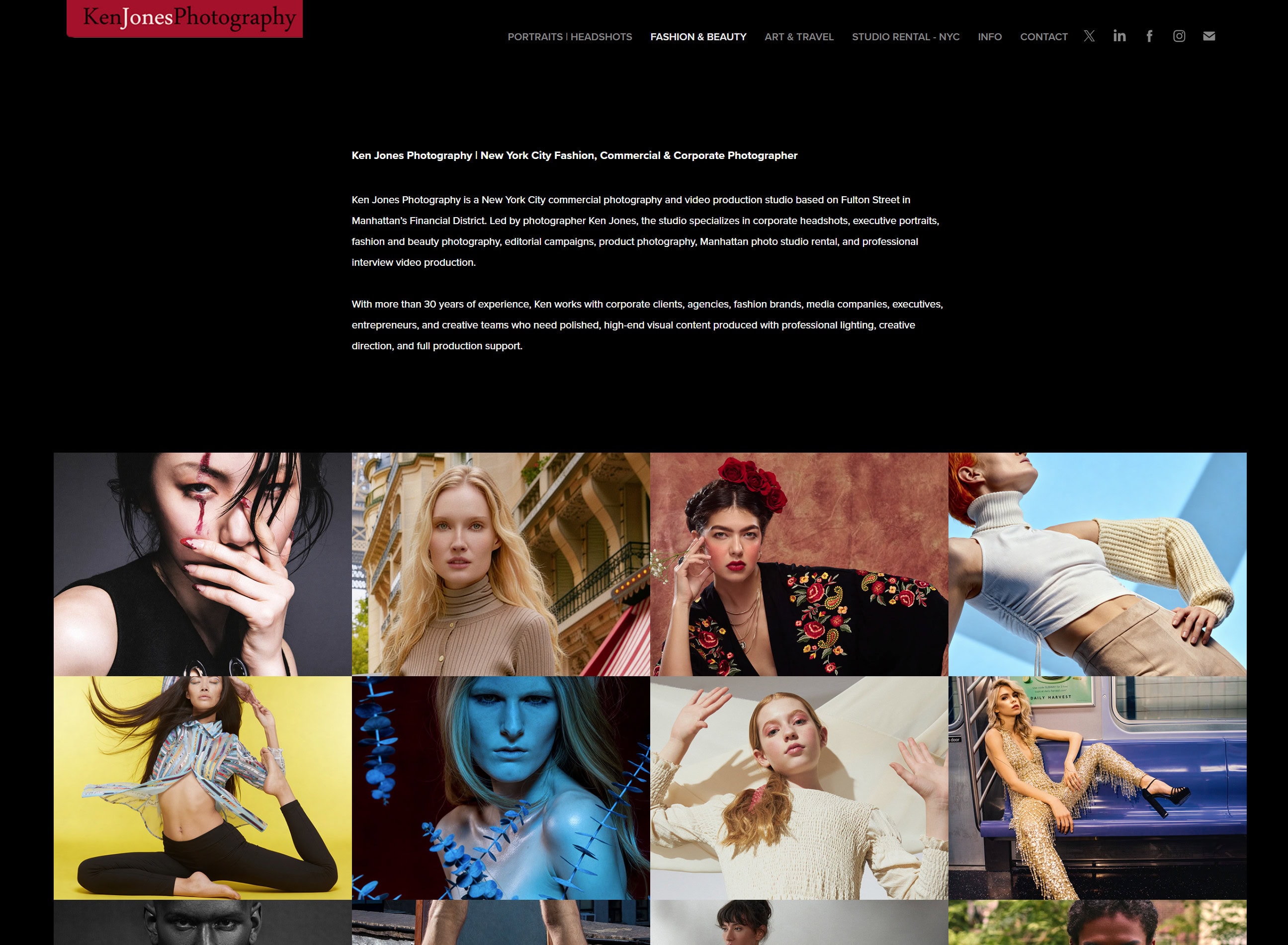
If you are ready to put the principles in this article into practice, Kenjonesnyc brings over 30 years of specialized experience in fashion, beauty, and commercial campaign photography for brands that want their visual identity to match the quality of their products. The studio operates from Manhattan’s Financial District with full-service production capabilities including casting, styling, and location work, handling everything from luxury fashion editorials to product and e-commerce photography designed to perform in high-visibility placements.
The portfolio reflects genuine range. From the Fur and Lace editorial to advertising campaigns executed for national and international brands, the work demonstrates what it looks like when technical precision and creative direction produce images that actually elevate a brand’s perceived value. Whether you need a full campaign shoot or a focused product photography session, Kenjonesnyc can help you define and execute a visual strategy built to support your brand’s premium positioning. Reach out directly to discuss your project and explore what a professional commercial photography partnership looks like in practice.
FAQ
What makes commercial photography look expensive?
Expensive-looking commercial photography results from controlled lighting that reveals texture and depth, intentional composition, professional styling, and careful retouching. These elements work together to signal quality and craftsmanship before any message is delivered.
How does photography affect perceived brand value?
High-quality imagery triggers the halo effect, causing consumers to associate visual professionalism with overall brand quality. This reduces price sensitivity and increases the likelihood that consumers will pay a premium without seeking cheaper alternatives.
Can AI-generated photography replace professional commercial shoots?
AI is effective for bulk catalog images and product variations, but it currently struggles with material realism, emotional nuance, and the creative direction that defines a brand’s visual identity. Most premium brands use a hybrid approach that keeps campaign and hero imagery with human photographers.
How should brand managers budget for commercial photography?
Photography pricing is structured around usage rights, meaning the intended distribution scope significantly affects cost. Define your usage needs before booking, build photography as a fixed budget line item, and prioritize the highest-visibility assets like website heroes and campaign creative first.
Why does visual consistency matter for brand perception?
Consistent visuals across all channels signal that a brand is deliberate and professional. Inconsistency in photography style, lighting, or color treatment across touchpoints sends mixed signals that undermine premium positioning, regardless of individual image quality.
Recommended
- Ken Jones Photography | NYC Fashion, Beauty & Commercial Photographer | Manhattan Studio Rental – Advertising Campaign Photography
- Ken Jones Photography | NYC Fashion, Beauty & Commercial Photographer | Manhattan Studio Rental – Luxury Product & E-Commerce Photography
- Top 6 Commercial Photo Services Agencies 2026
- Why NYC-Based Photography Elevates PR Clients